Read More


Morning Recap - October 27, 2026
57 mins ago
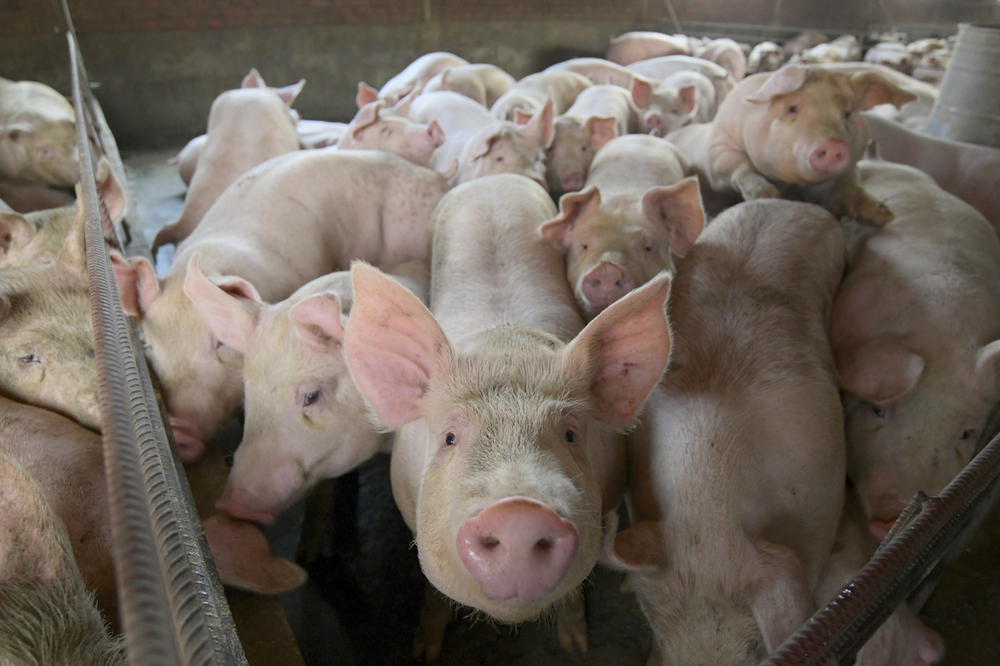
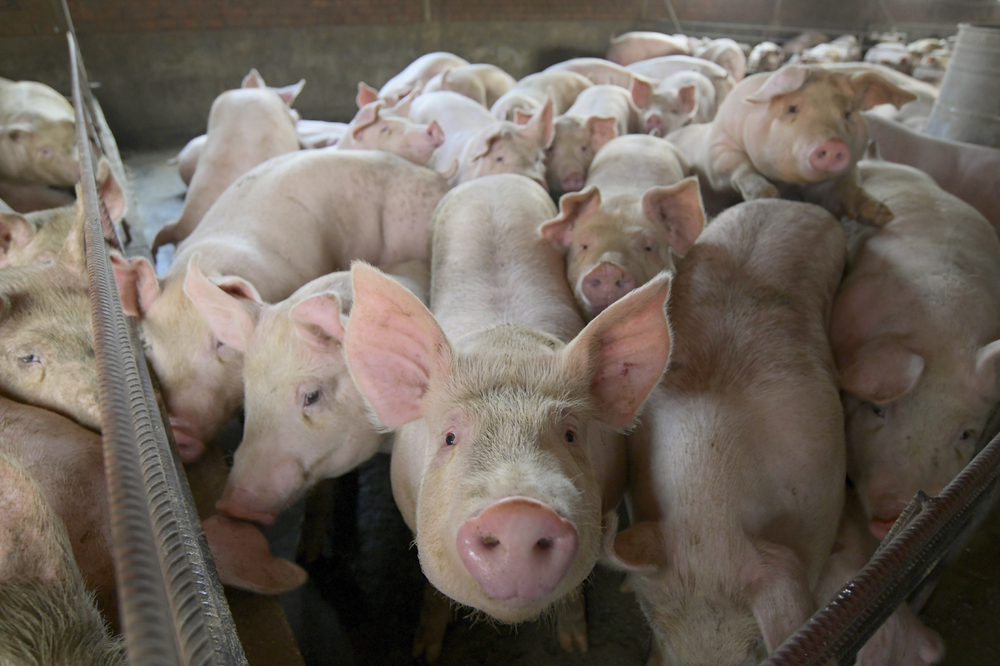
African swine fever viruses might be spreading across the city through vehicle tires and worker's shoes, so it is necessary to step up biosecurity within the supply chain, veterinary medicine and life science expert Dirk Pfeiffer says.
He was speaking after the Environmental Protection Department said the spread of the viruses might have occurred during the collection of pig carcasses and that it had instructed local pig farms to collect and submit the nasal swab samples from carcasses for testing. Only after negative results can they dispose of the carcasses.
"African swine fever viruses can persist in the air, on vehicles' surfaces, human clothing and shoes, pig carcasses and pork products," said Pfeiffer, chair professor at City University's College of Veterinary Medicine and Life Sciences.
"Both society and the industry should be aware that African swine fever is not a zero-risk situation and that biosecurity measures need to be enhanced at all stages in pig farms and the supply chain," he added.
The measures include changing the mindsets of farm workers.
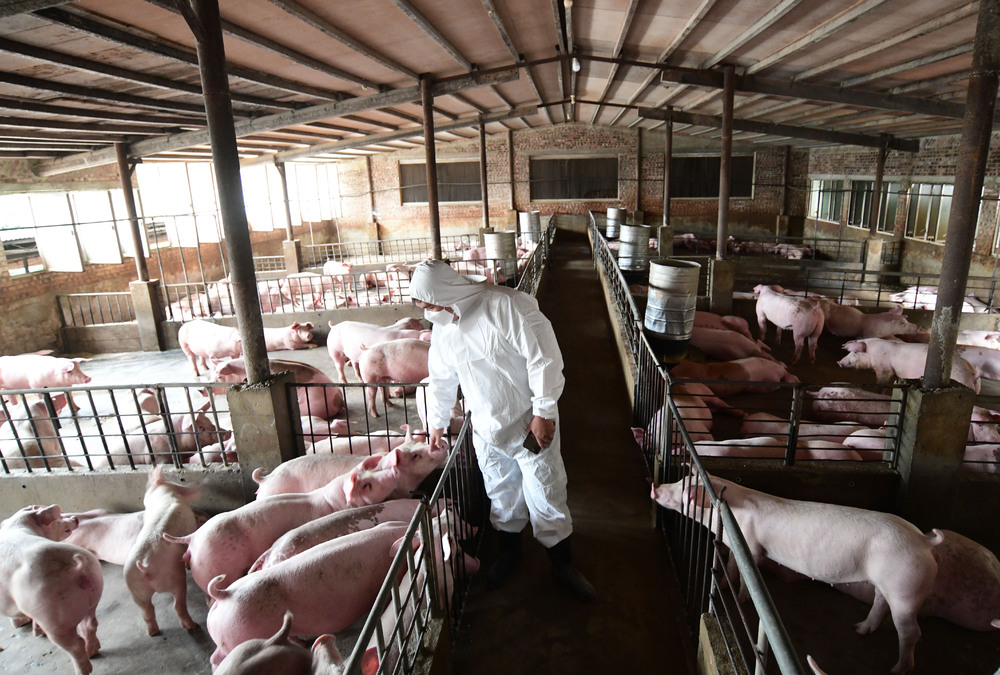
"They should place greater emphasis on safety measures, allowing only necessary personnel to enter farms and ensuring hands are disinfected and clothing is changed before entering the farms," he said.
The current design of most local pig farms lacks physical quarantine measures between different steps in production, making it difficult to control the spread within farms once viruses are introduced.
However, he said the practice of culling all infected pigs on farms hit by outbreaks has no epidemiological effect and is not economically sustainable or socially acceptable.
"It is necessary to explore the feasibility of selective culling, following the example of Vietnam and the mainland," he added.
Lau Hon-kit, a member of the Fisheries and Agriculture Conservation Advisory Committee, criticized the government for not testing live pigs imported from the mainland and said it needs to strengthen preventive measures and testing.
On Tuesday, the Agriculture, Fisheries and Conservation Department took six samples at a farm in Kwu Tung, Sheung Shui, and found two pigs tested positive, making it the eighth African swine fever find in pig farms in the past two months.
A total of 489 pigs on the farm have been culled since January 5 and sent to the West New Territories landfill.
Other farms at Lau Fau Shan, San Tin and Yuen Long were also found to have the virus.