Bloomberg and staff reporter
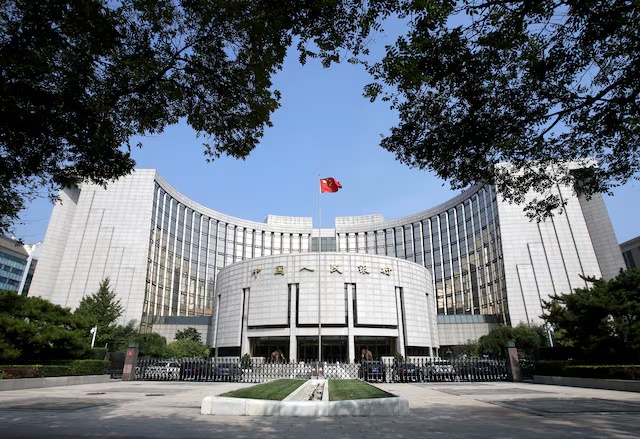
China's broad budget deficit hit a record so far this year, showing how damaging the now abandoned zero-Covid policy and the ongoing housing slump have been to the economy and to the government's finances.
The augmented fiscal deficit was 7.75 trillion yuan (HK$8.65 trillion) from January to November, according to Bloomberg calculations based on data from the Ministry of Finance. That was more than double the same period last year and larger than in 2020, when the economy was battered by the initial Covid outbreak and growth was the slowest in decades.
Beijing and the local governments recorded 24.57 trillion yuan in total income and 32.32 trillion yuan in total expenses for the first eleven months of this year.
Especially, governments across the country made 715 billion yuan from selling land in November, compared with the 552 billion yuan earned in the previous month but down about 13 percent from a year earlier. Land sales revenue has slumped by double digits almost every month this year.
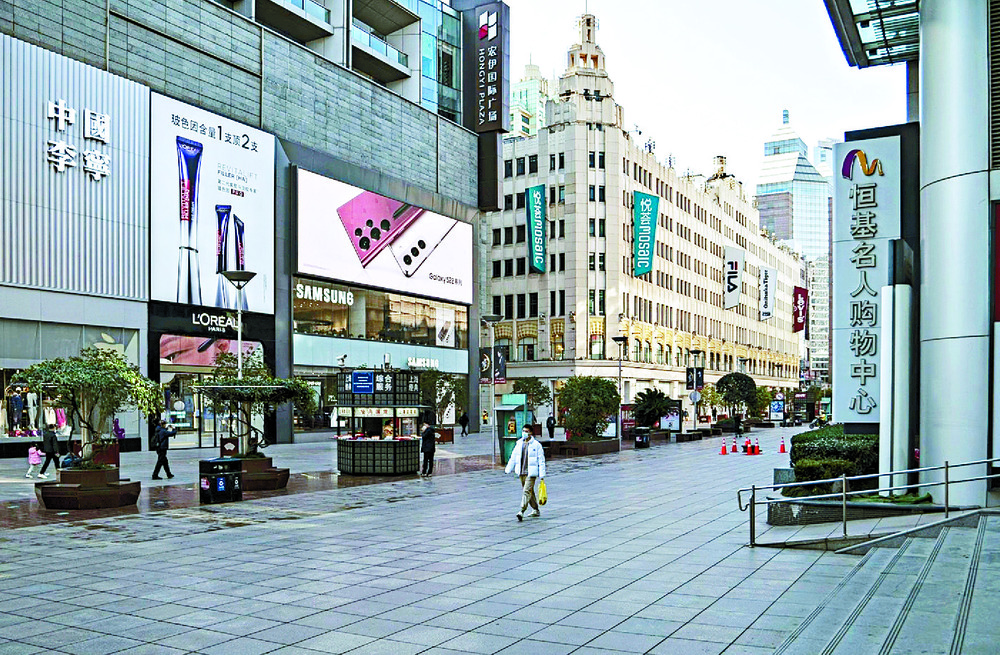
The worsening deficit underscores just how bad the economy was at the end of November, shortly before the government in Beijing effectively scrapped its strict policy of trying to contain Covid infections. The lockdowns, testing and quarantine rules that were key to the zero-Covid policy put a strain on consumer and business spending, pushing the economy close to contraction in the second quarter. A surge in infections this quarter has already caused a drop in retail sales in October and November.
With Covid infections now sweeping across the country, local governments are unlikely to see an immediate improvement in tax revenue and finances. Healthcare spending is likely to jump as more people fall sick, even if spending on testing and quarantines fall. There's also little immediate prospect for an improvement in the property market, which will likely keep land sales revenue subdued.
World Bank forecast China's gross domestic product will grow 2.7 percent only this year.
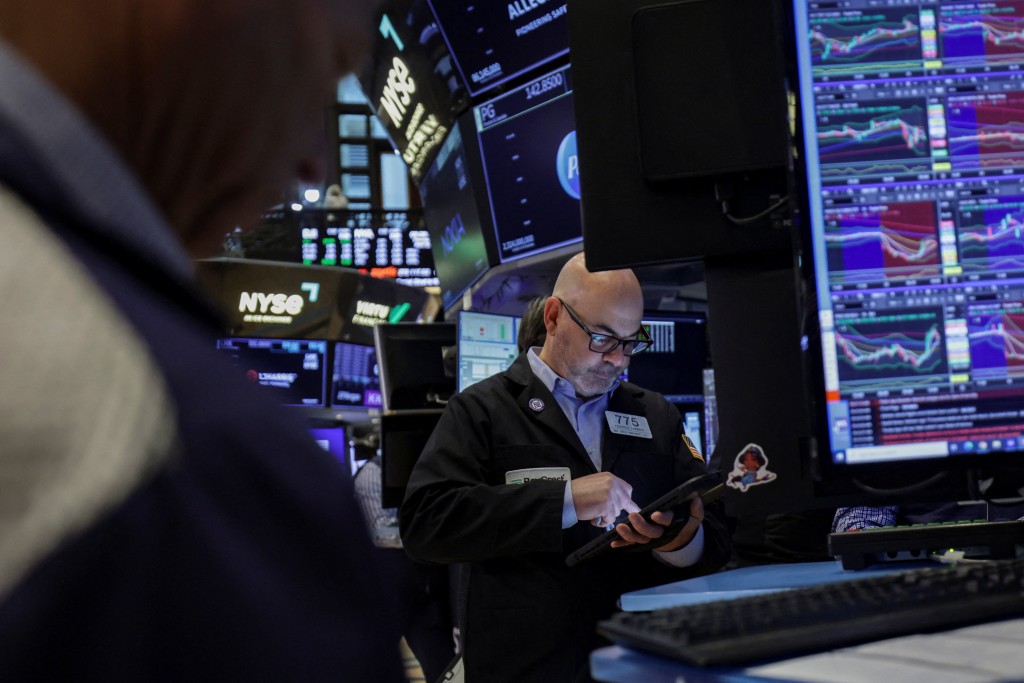
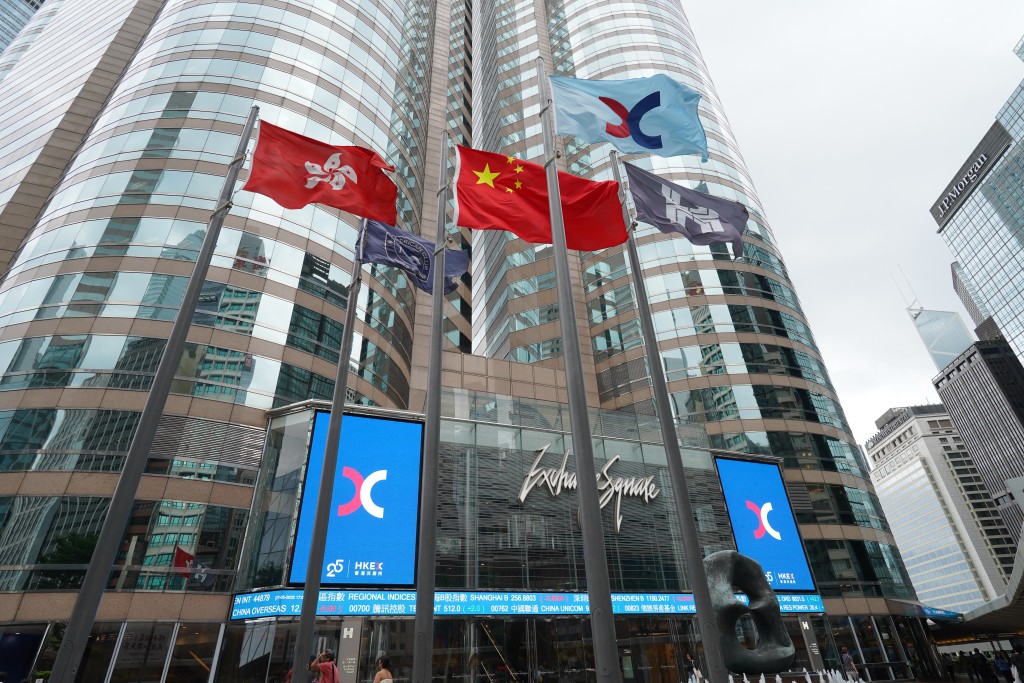
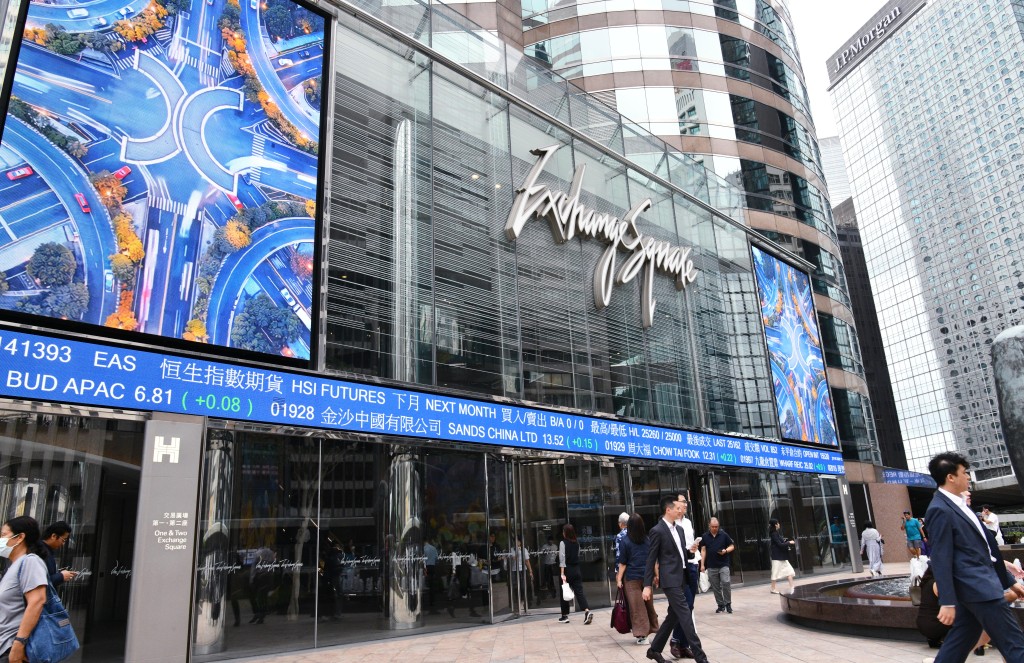
Meanwhile, Hong Kong stocks fell for the second day on Chinese economic recovery, but local restaurants jumped on the further relaxation of social distancing rules.
The benchmark Hang Seng Index slid 1.33 percent to 19,094 points, dragged down by mainland developers and tech companies.
Lockdowns put a strain on consumer and business spending. Bloomberg