Read More




GenAI adoption in HK finance hits 90pc: report
17-11-2026 16:01 HKT




Baidu third-quarter revenue slips 1 percent, meets market estimates
16-11-2026 17:22 HKT


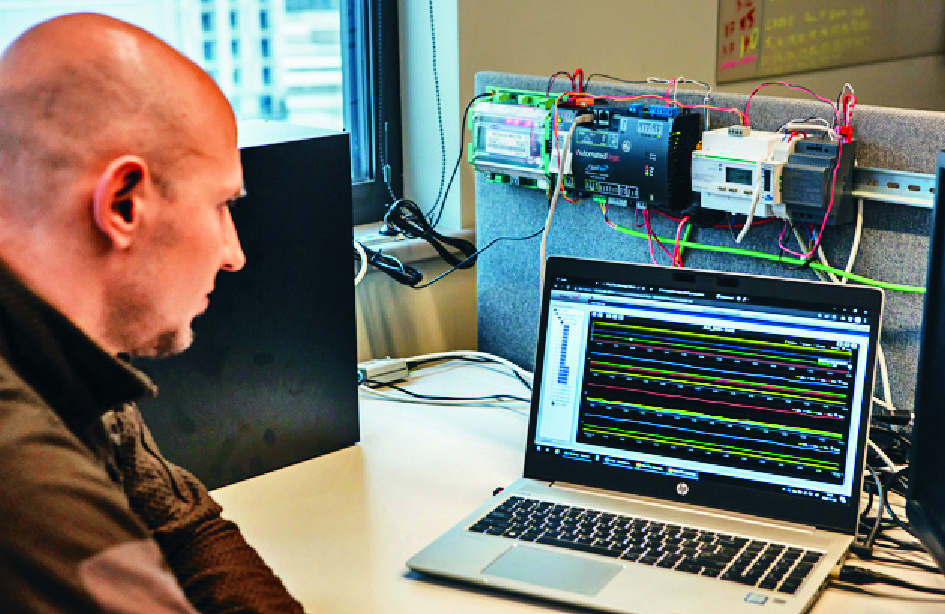
owners of commercial buildings looking for energy-efficient - and more importantly cost-saving - measures are increasingly turning to artificial intelligence for help.
The report underscores the growing demand for energy-efficient solutions, particularly within the commercial sector, where automation systems are becoming essential to modern infrastructure.
"Aside from global sustainability efforts, we aim to ensure that such AI solutions do not stop at optimizing operations. The goal is to provide predictive analytics that help address inefficiencies before they escalate."
While the Technavio report emphasizes the role of building automation systems in enhancing building management, experts at Exergio believe that the future lies beyond simple automation."Automation is just the first, though inevitable and important, step," Karciauskas added.
"What truly sets AI apart is its ability to predict and take action. That is why our goal is to take a step further from automation. We can already anticipate and optimize energy use in real-time, which makes our platforms more advanced."The report highlights that commercial buildings are the biggest users of building automation - making up almost half of the market - driven by the need to comply with energy efficiency regulations and reduce operational costs. In this sector, reducing energy waste is essential to meet net-zero goals by 2050.
Gathering and interpreting real-time data is the only way to efficiently achieve net-zero goals.AI-based platforms can optimize energy use across heating, ventilation, air conditioning, lighting, and other systems. It is particularly important in large office buildings, where thousands of data points are generated hourly, and even small efficiency gains can translate into financial savings.
"Our technology allows monitoring and adjusting energy consumption in real-time - meaning it already takes action when needed and makes that decision," Karciauskas added."For instance, in one of our recent projects in Poland, an AI-driven system reduced energy waste by 20 percent in a large commercial buildings complex, saving over 80,000 euros (HK$693,830) within nine months. This is the current level of impact that AI can achieve in the commercial sector, and it will inevitably grow."
Though focusing mainly on commercial buildings, the Technavio report also notes significant growth in residences - particularly with the rise of smart home technologies. ivy.ong@singtaonewscorp.com