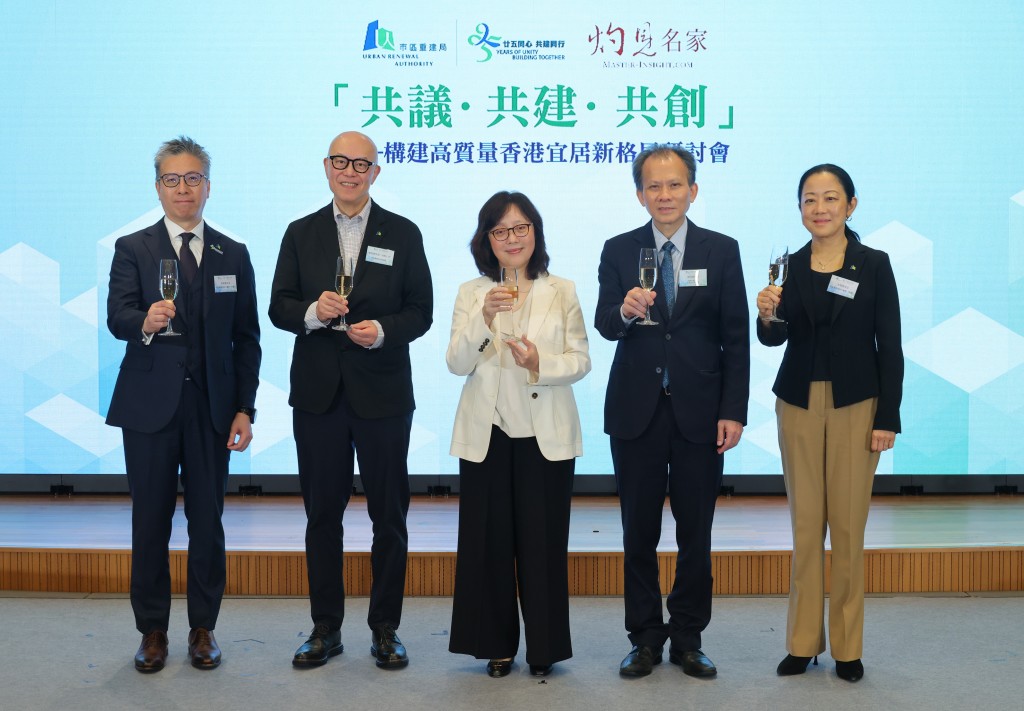
Over 400 delegates gathered at the Hong Kong Convention and Exhibition Centre on Monday for a major symposium hosted by the Urban Renewal Authority (URA), aiming to chart a new course for urban renewal and create a high-quality, liveable Hong Kong.
To celebrate its 25th anniversary, the URA brought together delegates from the government, the Legislative Council, professional sectors including architecture, planning, engineering and surveying, as well as the financial, innovation and technology, and academic communities to map out a new blueprint for Hong Kong's long-term urban development.
The symposium aimed to integrate the national 15th Five-Year Plan, the development opportunities of the Northern Metropolis under Hong Kong's first Five-Year Plan, and forward-looking trends in the AI+ industry. The goal was to explore how multi-stakeholder collaboration and innovative urban renewal strategies can align with the country's overall development and foster a more liveable, vibrant, and resilient city environment.
Government's Commitment to New Development and Old District Renewal
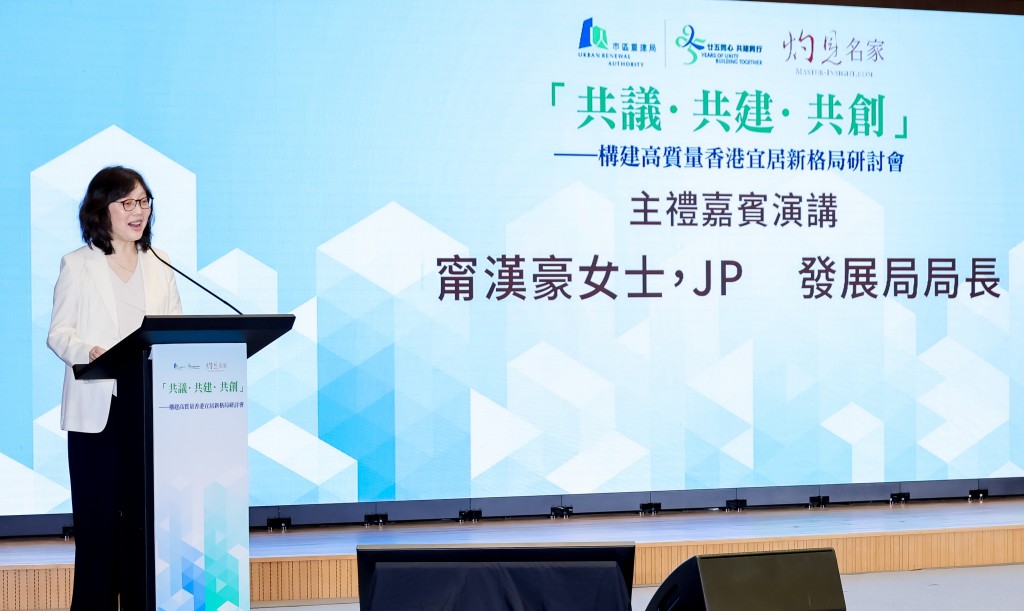
Bernadette Linn
Secretary for Development Bernadette Linn Hon-ho said at the symposium that she focused on proactively aligning with the 15th Five-Year Plan, accelerating the construction of the Northern Metropolis, and enhancing people's livelihood through old district renewal and building safety governance.
Linn revealed that the government has reserved three sites in the Kwu Tung North and Fanling North New Development Areas Portal to support old district redevelopment.
The URA is considering building new units on these sites as replacement units under the "flat-for-flat" scheme.
Linn added that the Development Bureau and the URA are jointly reviewing their financial and operational models, including discussing the current "seven-year-old replacement building policy" cash acquisition mechanism and the "flat-for-flat" arrangement. The target is to put forward concrete proposals and launch a public consultation in the first half of next year.
URA Calls for Institutional and Mindset Innovation
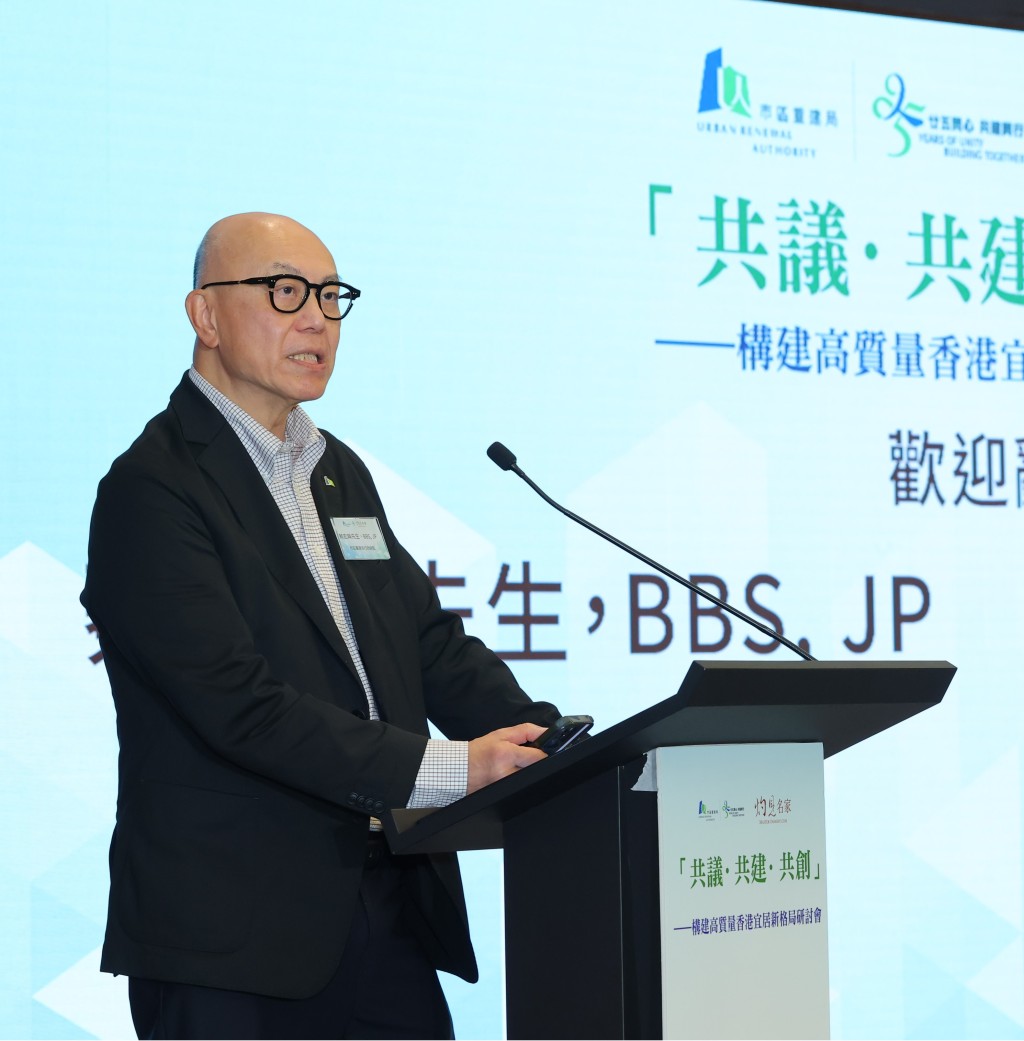
Donald Choi
URA managing director Donald Choi Wun-hing noted that the Five-Year Plan clearly advocates for new thinking to drive old district renewal, reflecting that urban renewal is a critical issue for the city's future.
"Facing the future, we need not just renewal, but innovation," Chua said. "To ensure the sustainable progress of urban renewal, the URA hopes to drive innovation with all stakeholders based on our fruitful past achievements. This is not just technical innovation, but also innovation in mindset, policy, and institutional levels."
He emphasized that the most crucial topic for discussion is how the urban renewal system itself can keep pace with the times.
"Hong Kong's social, economic, and real estate market environments are vastly different from over two decades ago. Facing accelerated building ageing, rising urban renewal costs, and societal expectations for reasonable compensation, we need a pragmatic and open attitude to review whether the current acquisition scheme remains most suitable for today's and future urban development needs," he said, stressing the aim to make urban renewal more sustainable while protecting the rights of affected residents.
Youth Engagement and Looking Ahead
The URA invited the champion team from the URA x PolyU Igniting Social Innovation Competition 2026, Pui Ching Middle School (Hong Kong), to share their community-building proposals. It also invited architecture students from five local universities to discuss university students’ livable community vision in 2030 and explore youth perspectives on Hong Kong's future.
Looking ahead, the URA said it will strengthen collaboration with the government and various sectors of society, transforming the insights gathered from the symposium into practical actions to propel Hong Kong's urban renewal towards a new milestone and build a more liveable, vibrant, and sustainable new city layout.