Read More
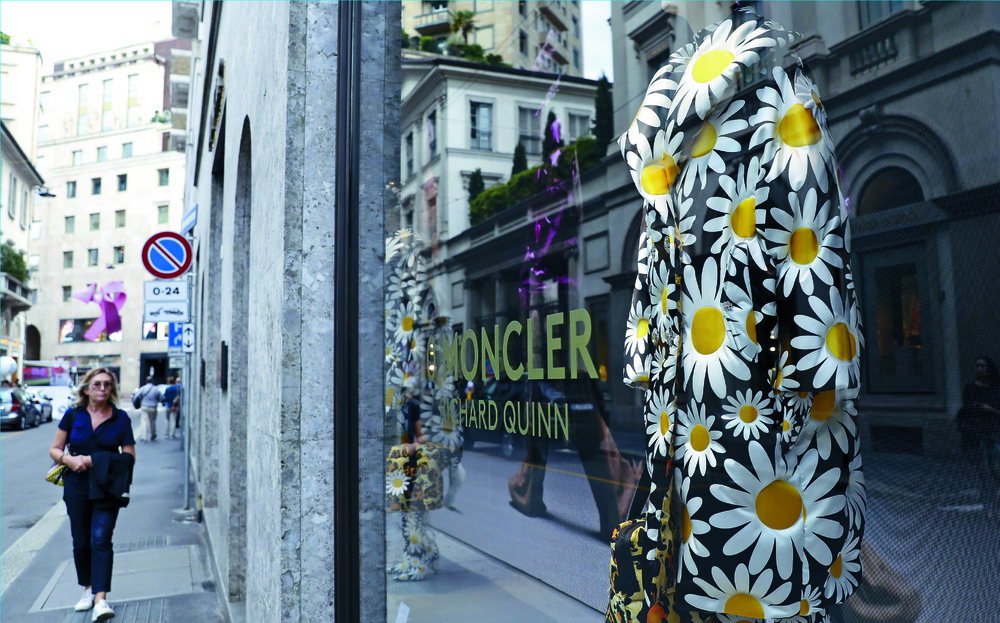
Tsim Sha Tsui dropped one spot to become the third-most expensive retail destination in the world, trailing behind New York's Fifth Avenue and Milan's Via Montenapoleone, according to Cushman & Wakefield.
ADVERTISEMENT
SCROLL TO CONTINUE WITH CONTENT
According to Cushman's latest Main Streets Across the World report, Tsim Sha Tsui was overtaken by Milan's Via Montenapoleone, despite its main street shops experiencing a 4 percent year-on-year increase in annual rents per square foot - reaching up to US$1,493 (HK$11,645).
In the Global Prime Retail Rankings 2023, New York's Upper Fifth Avenue remains the most expensive retail zone in the world, commanding an annual rent of US$2,000 per square foot.
Meanwhile, Tsim Sha Tsui is the only location in Greater China in the top 10, despite Russell Street in Causeway Bay having previously held the title of the world's most expensive shopping street, with stores being leased out at US$2,745 per sq ft annually before the pandemic.
Rents for main street shops in Causeway Bay increased by 6 percent year-on-year, reaching up to US$1,374 per square foot, according to the report.
However, rents for prime retail districts in Hong Kong remain relatively low compared to pre-pandemic levels, with rents for Causeway Bay main street shops 46 percent lower than pre-pandemic levels. Simultaneously, rents for Tsim Sha Tsui experienced a drop of 39 percent.
The Asia Pacific region demonstrated the most robust growth at 5.3 percent, with the Americas following at 5.2 percent and Europe at 4.2 percent.
Despite the relatively strong growth, the rise in rents did not reach the levels seen during peak inflation.
Over half of the Asia Pacific markets have not completely rebounded from the rental declines experienced during the pandemic, but there have been improvements over the past year, said Cushman, with Hong Kong standing out as the market with the greatest potential for recovery.
Kevin Lam Ying-wai, executive director at Cushman, mentioned that despite challenges posed by the global economic slowdown, the recovery of high street retail in Hong Kong remains resilient.
He noted significant shifts in the retail landscape, observing that consumers are increasingly favoring retailtainment, wellness and experiential offerings. These trends are expected to drive upgrades in stores and contribute to upward momentum in rents.
On the flip side, Rosanna Tang, head of research at Cushman, noted that despite the recovery in Hong Kong's tourism and retail sectors after the border reopening, government data reveals that spending by overnight and same-day visitors in the first half of this year is only at 55 percent and 18 percent of the levels observed in the first half of 2018, respectively.
This indicates a shift in the preferences of visitors in Hong Kong from a traditional 'shop till you drop' approach to a greater emphasis on local culture and experience-based tourism.
The evolving retail landscape is attributed to factors such as the growth of e-commerce, the strengthened performance of the Hong Kong dollar against other currencies and competition from nearby cities in the Greater Bay Area.
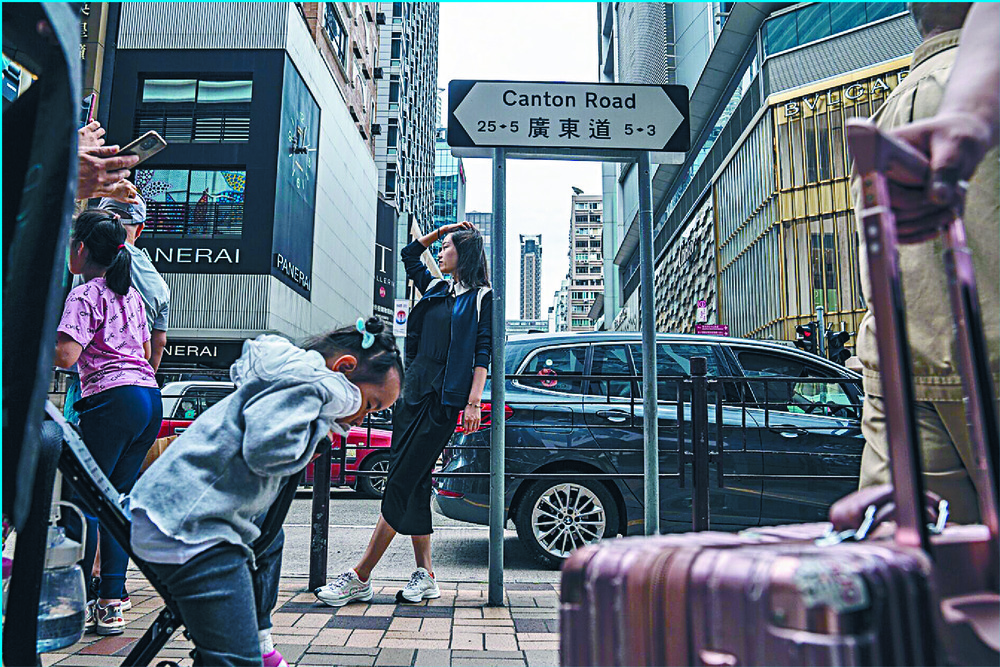
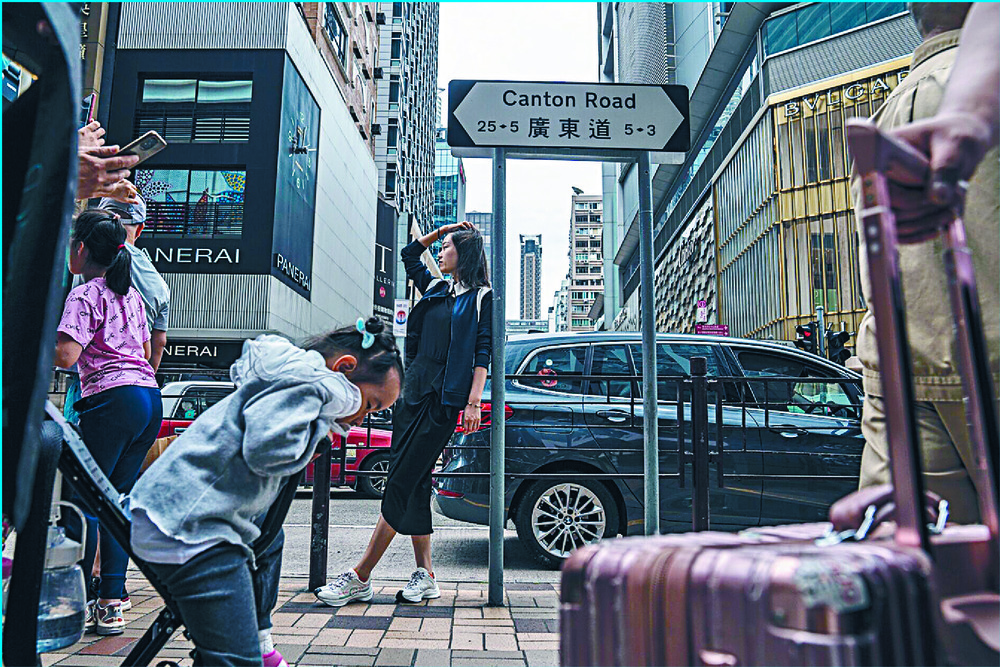
Tsim Sha Tsui
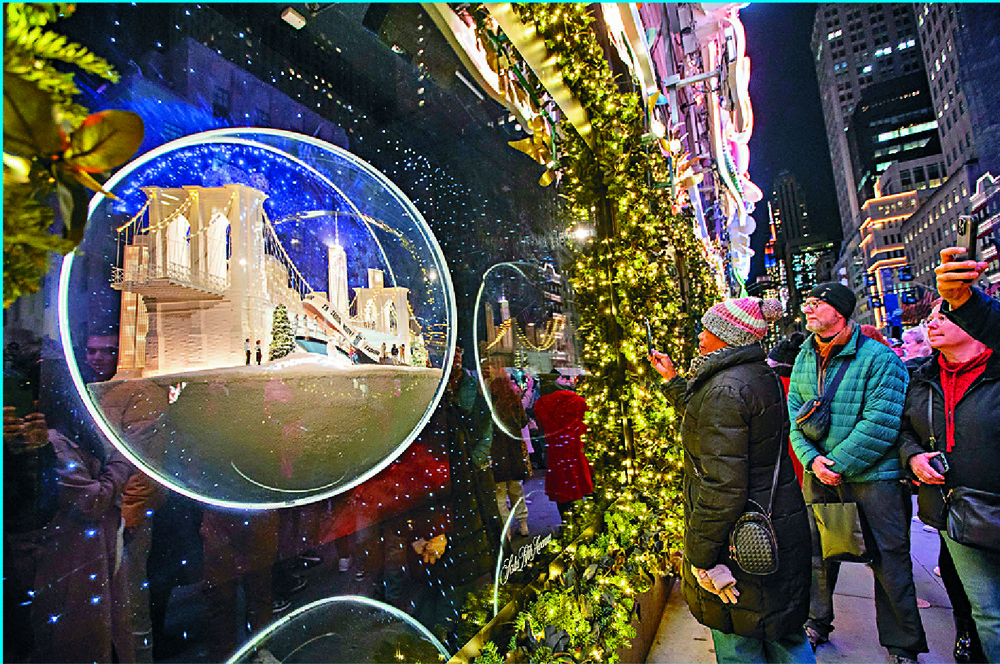
Fifth Avenue
Via Montenapoleone