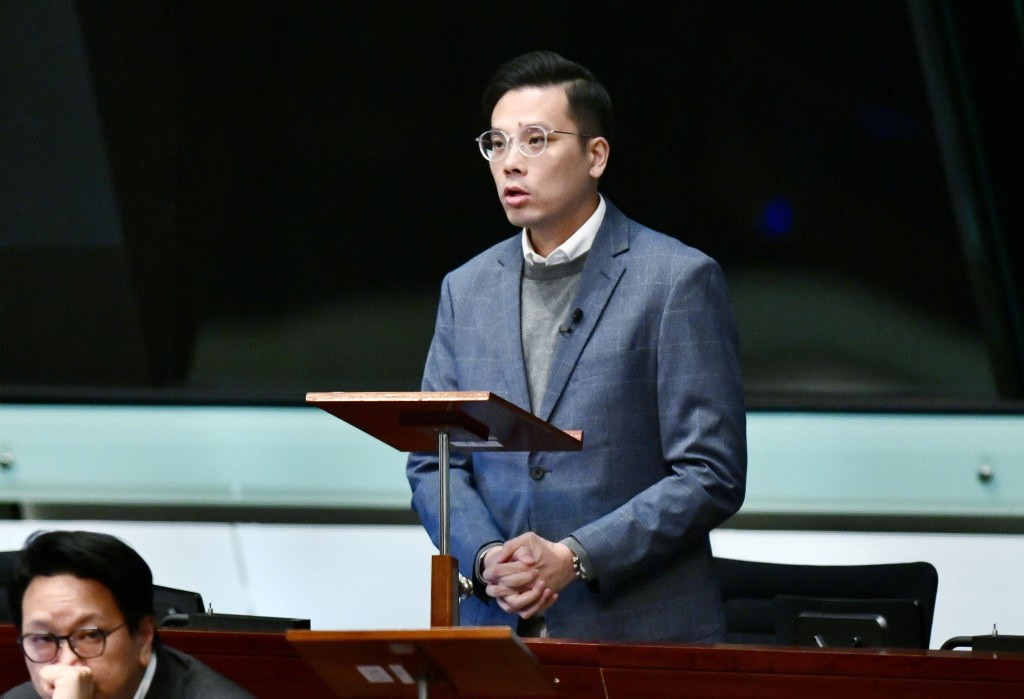
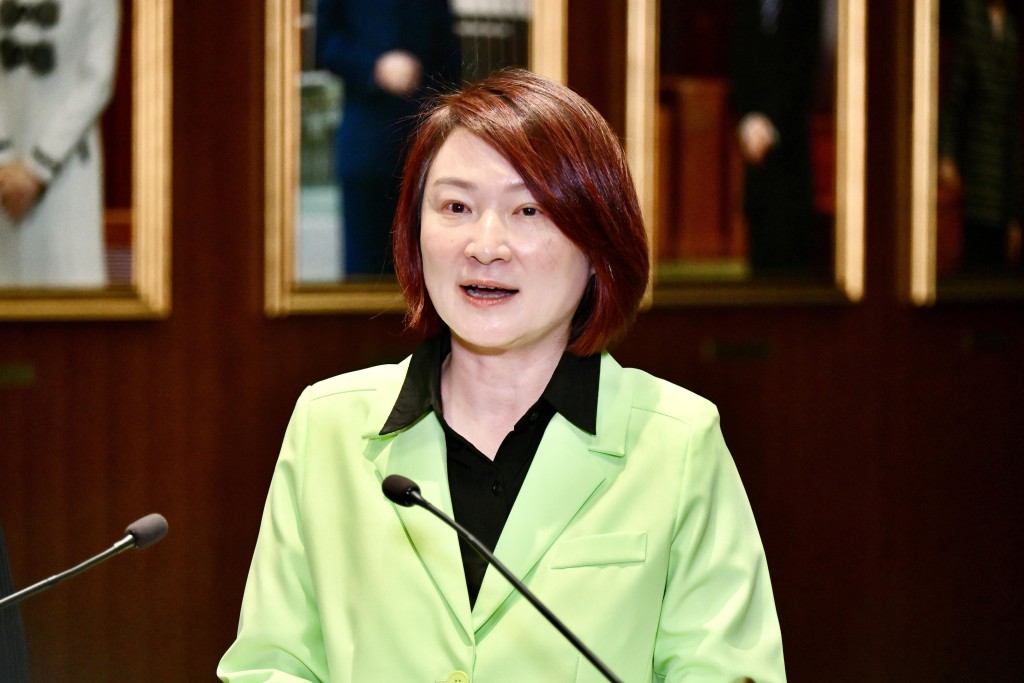
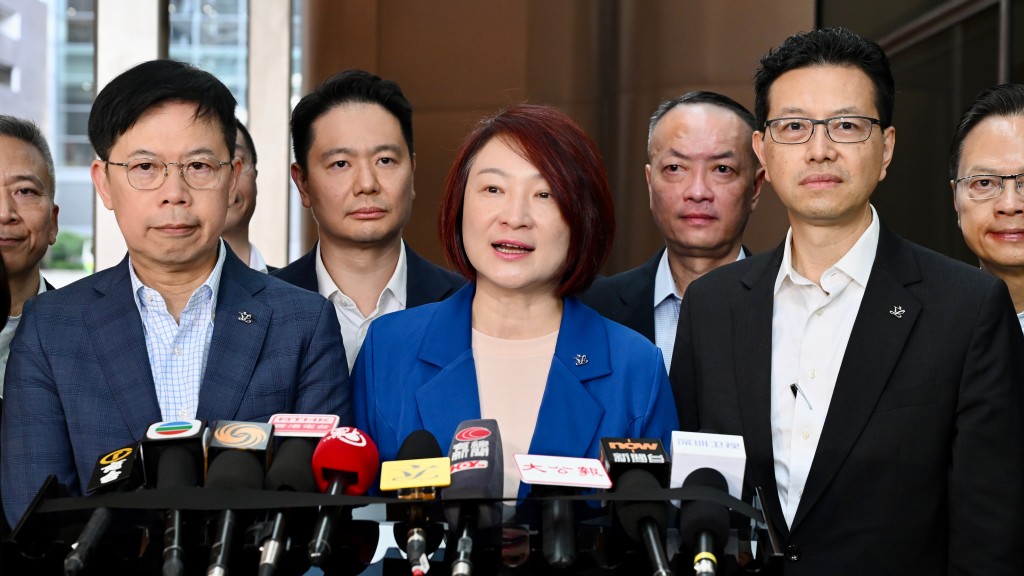
A nonbinding motion by lawmaker Scott Leung Man-kwong to reform public housing policies, along with two proposed amendments, was voted down in the Legislative Council on Thursday, marking the first rejection of a member's motion and its amendments in the current legislative term.
The Housing Bureau, meanwhile, will announce the latest public housing waiting-time figures next week, with the government confident of meeting its target of reducing the wait to 4.5 years by the end of the 2026-27 financial year.
Leung's motion sought to shift public housing policy toward helping tenants build assets and achieve homeownership. His proposals included increasing quotas for White Form applicants in the secondary market and introducing a dedicated savings scheme for well-off public housing tenants.
Under the proposed scheme, part of the additional rent paid by better-off tenants would be set aside to help them purchase subsidized housing within five years, while encouraging the turnover of public rental flats.
The two amendments were proposed by lawmakers Chan Hok-fung and Lam Wai-kong.
Chan opposed the savings scheme, arguing that it would be unfair to benefit only 40,000 to 50,000 well-off public housing tenants. He said policies should instead focus on improving the economic prospects of all public housing tenants and suggested exploring a longer-term shift toward a rent-to-buy model.
Lam called on the government to ensure that the average waiting time for public rental housing falls to three years before cautiously reviving the Tenants Purchase Scheme (TPS).
He warned that prematurely relaunching the scheme or easing homeownership requirements could reduce the supply of public rental flats and prolong waiting times.
Augustine Wong Ho-ming, representing the real estate and construction sector, raised concerns over management disputes arising from mixed ownership under the TPS, as private owners and public housing tenants have different financial interests and responsibilities.
He also questioned whether purchasing public housing would genuinely improve tenants' economic mobility, arguing that using additional rent paid by better-off tenants to subsidize homeownership would be unreasonable and unfair to other residents.
Deputy Financial Secretary Michael Wong Wai-lun, who is also Acting Secretary for Housing, said the city's public housing supply was improving, with the composite waiting time for subsidized rental housing falling to 4.8 years at the end of June, from a peak of 6.1 years before the current-term government took office.
The figure has remained at its lowest level in more than eight years for two consecutive quarters.
Wong said the Housing Bureau launched a study last month on the possibility of converting more public rental flats into units for sale.
Questionnaires have been sent to more than 14,000 households living in public rental housing, subsidized sale flats and private homes, with findings expected to be released as early as next year.
He added that the government had no plans to intervene in tenants' personal savings or set aside part of the additional rent paid by well-off tenants to help them purchase homes.
Such an arrangement would raise concerns over fairness and the use of public funds, while running counter to the principle that "those with greater means should pay more," he said.