
Read More
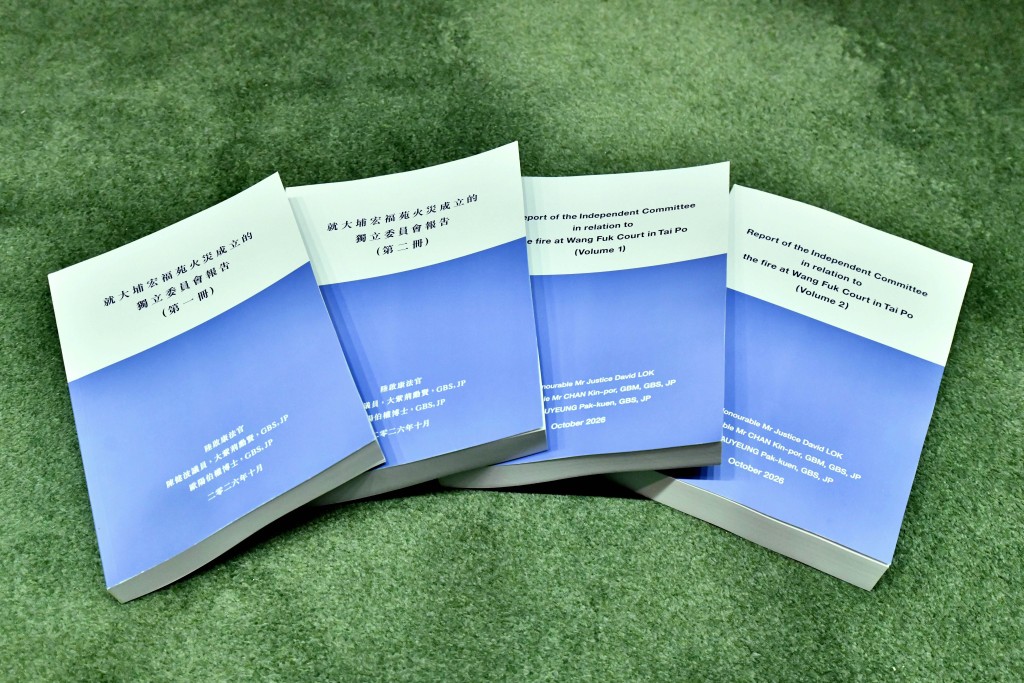
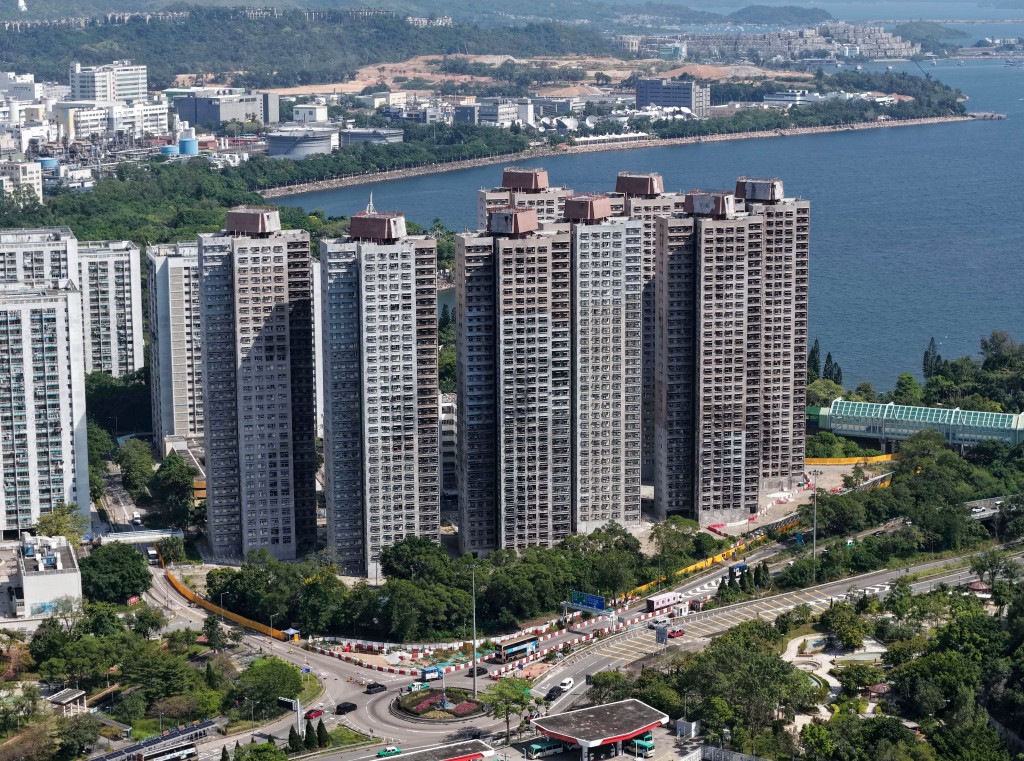
The Independent Committee’s report on the Wang Fuk Court fire in Tai Po was released Thursday, identifying six deficiencies in the Independent Checking Unit’s (ICU) work, including shortcomings in the design of its supervision system.
ADVERTISEMENT
SCROLL TO CONTINUE WITH CONTENT
The report signaled that there were deficiencies and failings in four government bodies: the ICU, the Buildings Department (BD), the Fire Services Department and the Labour Department.
As the BD is responsible for regulating the building-works regime, while the ICU was authorized to supervise the work at Wang Fuk Court, the report said the ICU and the BD bore primary responsibility.
It highlighted six key deficiencies including overreliance on building professionals’ integrity; a failure to design supervision around the risk of fires at building maintenance and renovation sites; inadequate regulation of temporary materials such as scaffolding nets; mishandling of complaints; lax enforcement; and poor coordination and a lack of auditing between the BD and the ICU.
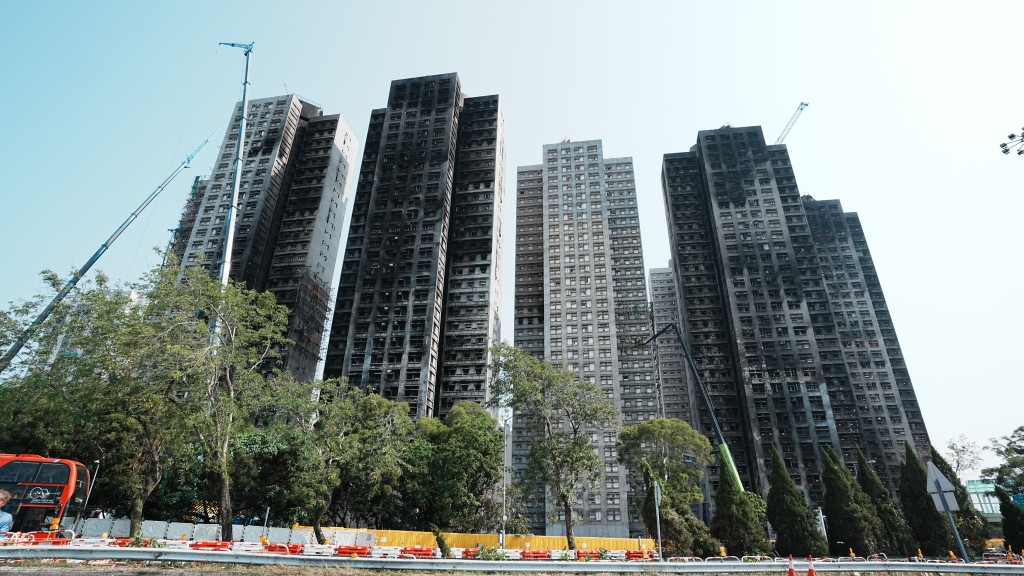
The report also noted that a contract worth more than HK$330 million to carry out work on the external walls of eight occupied high-rise blocks affecting thousands of residents was classified as lower-risk minor works, rather than major works requiring the ICU’s approval and consent.
At Wang Fuk Court, unit windows were covered with foam boards for about 15 months, which could not reasonably be considered temporary. The foam boards also blocked residents’ views, potentially delaying their evacuation in a fire. The ICU failed to detect the issue early, in part because it lacked relevant guidelines and routine inspections, the report said.
Authorities also mishandled 46 complaints from residents about safety hazards, the report said. In some cases, they accepted explanations without verification or referred complaints back to the parties being complained about.
The report further described operational failings that allowed contractors and consultants to evade scrutiny. Advance notice gave contractors time to replace non-compliant materials before inspectors arrived, rendering the inspections ineffective.
The ICU also failed in its oversight of documents and personnel. It accepted forged scaffold netting certificates that had been submitted through a messaging app, without verifying the batch or conducting laboratory testing. It also failed to question or contact Ng Yeuk about the significant delay by Will Power Architects Company in notifying the ICU of his new inspection role.
Meanwhile, the BD failed to audit the ICU’s work. Officials acknowledged that no mandatory building inspection audits had ever been conducted, which could have helped identify the ICU’s operational weaknesses earlier, the report said.
Although the committee found that both agencies shared responsibility for the shortcomings, it concluded that the ICU bore the greater share because it had failed at both the policy and operational levels.