Read More
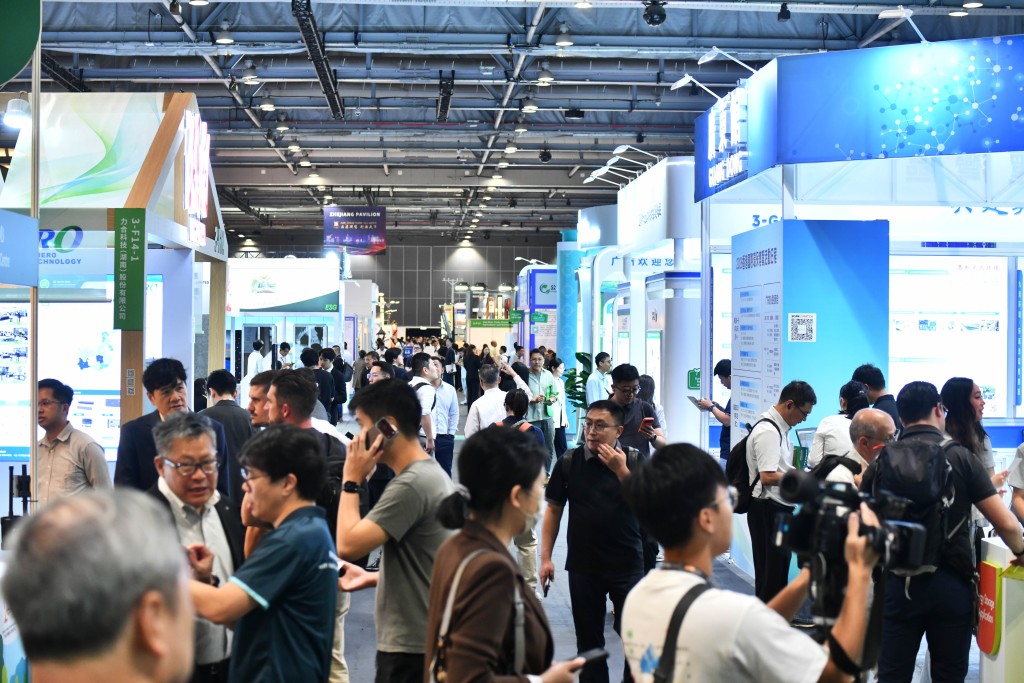
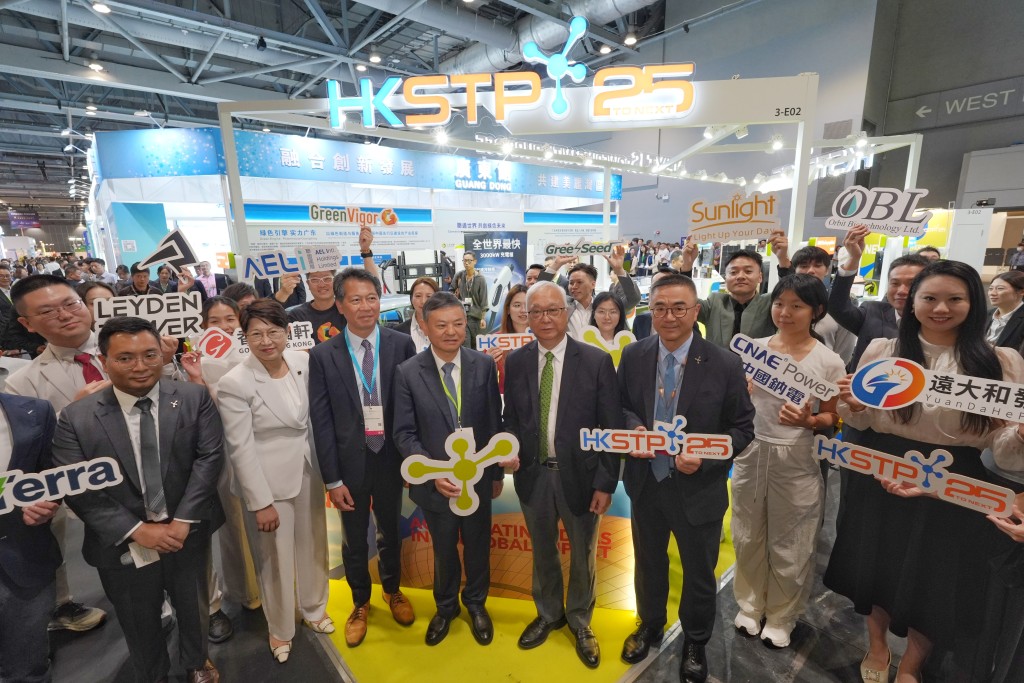
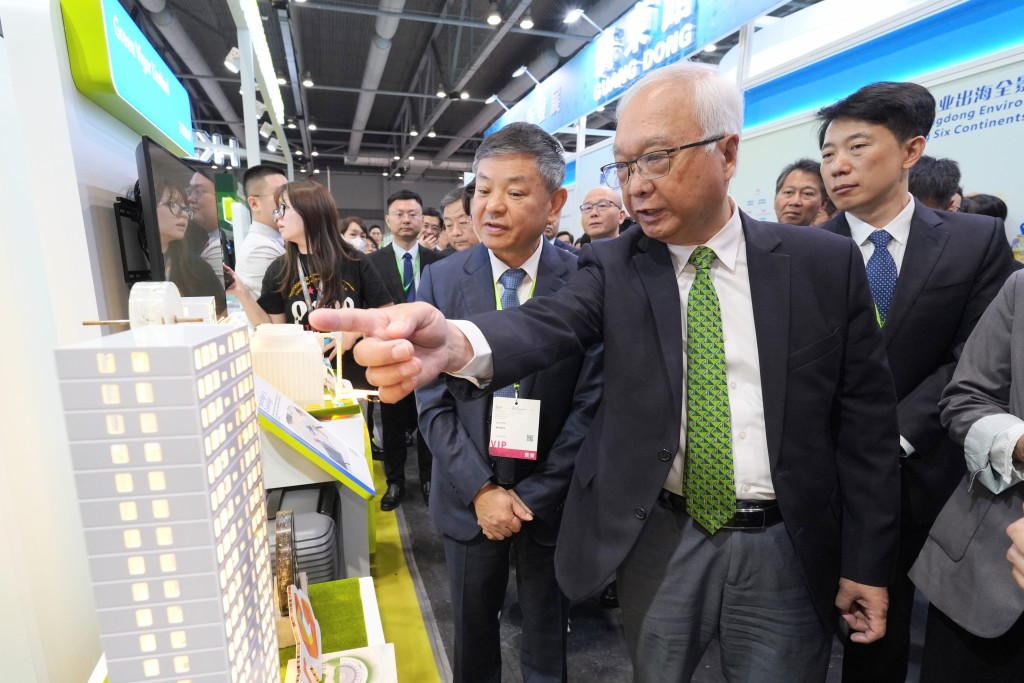
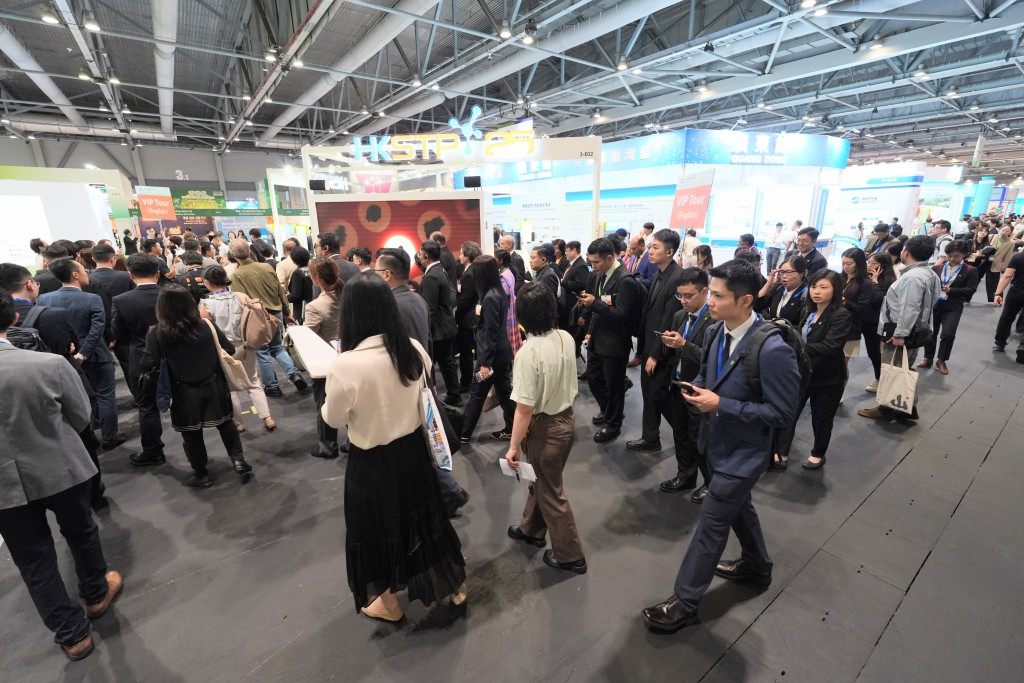
Hong Kong Science and Technology Parks Corporation has brought 11 green technology companies to Eco Expo Asia to present innovations ranging from ultra-fast electric vehicle charging and vehicle retrofitting to sodium-ion batteries.
ADVERTISEMENT
SCROLL TO CONTINUE WITH CONTENT
Nine of the companies are making their debut at the four-day exhibition at AsiaWorld-Expo. HKSTP said the initiative was aimed at accelerating the commercialization of new-energy and energy-storage technologies, while helping companies connect with government departments, businesses and potential partners.
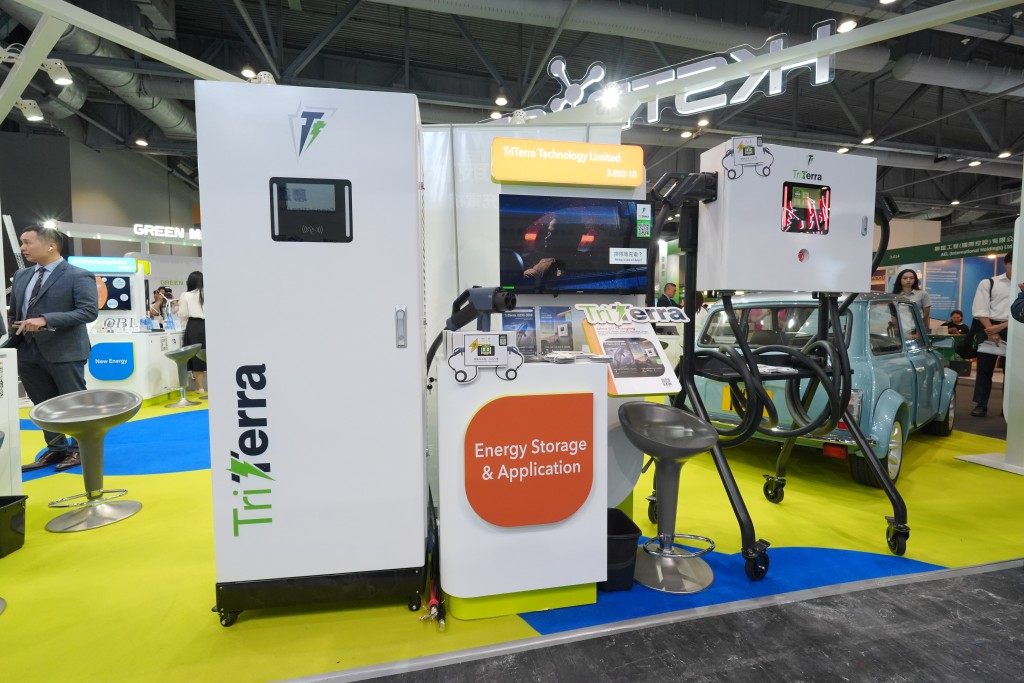
TriTerra Technology Limited is showcasing what it describes as the world’s thinnest wall-mounted direct-current EV charging system, designed for Hong Kong’s dense urban environment and the growing charging needs of heavy-duty electric vehicles.
The system is 16 centimeters thick and can deliver up to 350 kilowatts through a single charging connector. It has already been installed at the Sheraton Hong Kong Tung Chung Hotel.
Founder and chief executive Vince Leung Yiu-wa said private EV adoption was already widespread in Hong Kong, while the electrification of heavy commercial vehicles remained at an early stage.
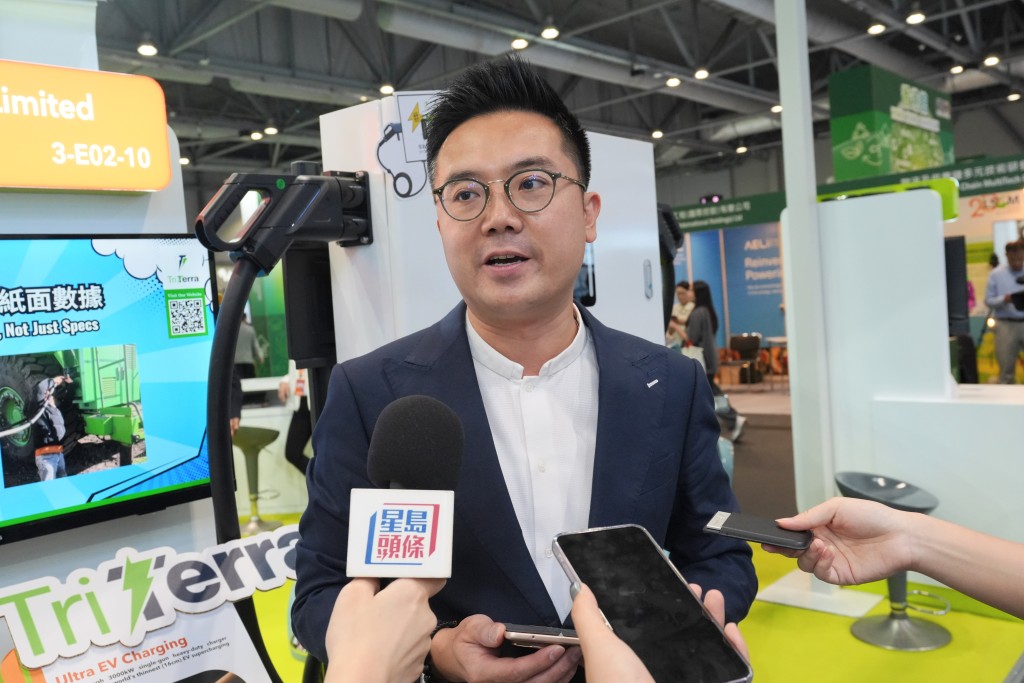
He said such vehicles require much larger batteries, while conventional lower-powered chargers may require several charging connectors to be used simultaneously, creating operational bottlenecks for fleets working to tight schedules.
To address this, the company has developed a 3,000-kilowatt liquid-cooled ultra-fast charging system using a single connector, which it says could reduce charging times for heavy vehicles to under 20 minutes.
The company is in discussions with local power utilities, bus operators and container terminal operators over potential applications.
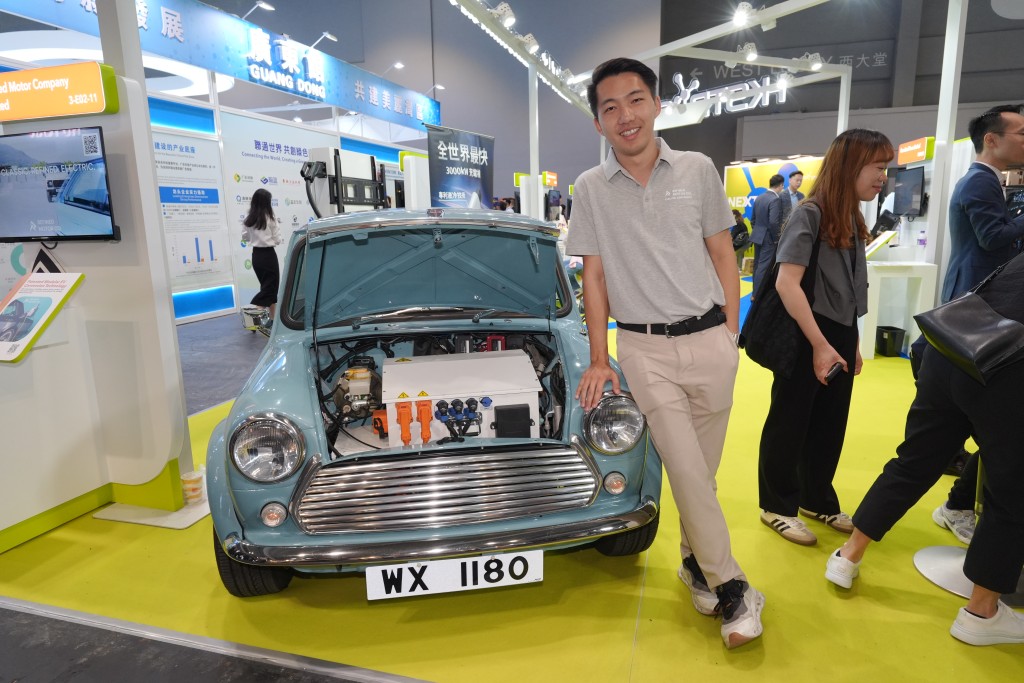
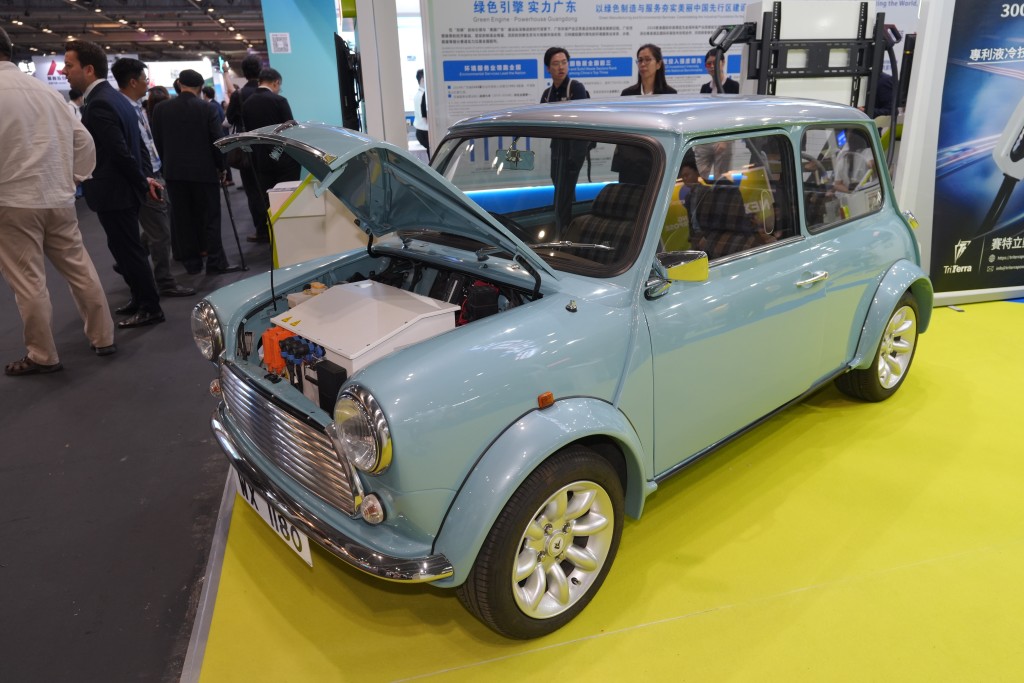
Refined Motor is meanwhile showcasing a modular system that converts conventional fuel-powered vehicles into EVs. The company said the technology supports the government’s goal of ending new registrations of fuel-powered private cars by 2035.
Founder Angus Law Ming-yau said retrofitting a vehicle, rather than scrapping it and replacing it with a new one, could reduce its life-cycle carbon footprint by around 60 percent while preserving the appearance and character of classic cars.
The company has converted several classic vehicles and has a waiting list of more than 100 cars. For models with established conversion blueprints, the process can take as little as five days, Law said.
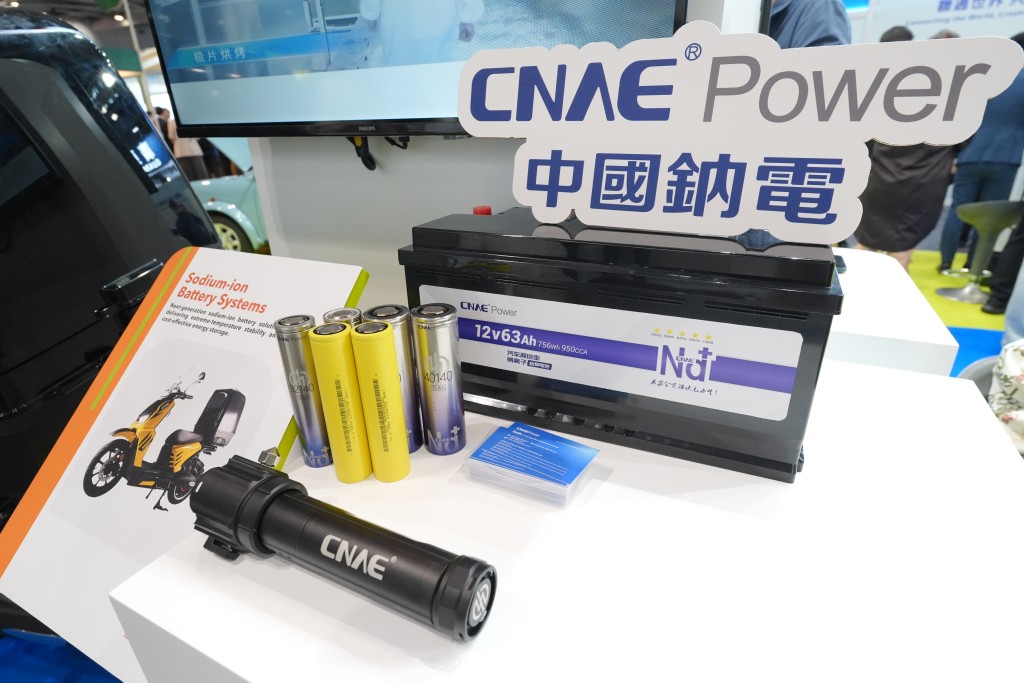
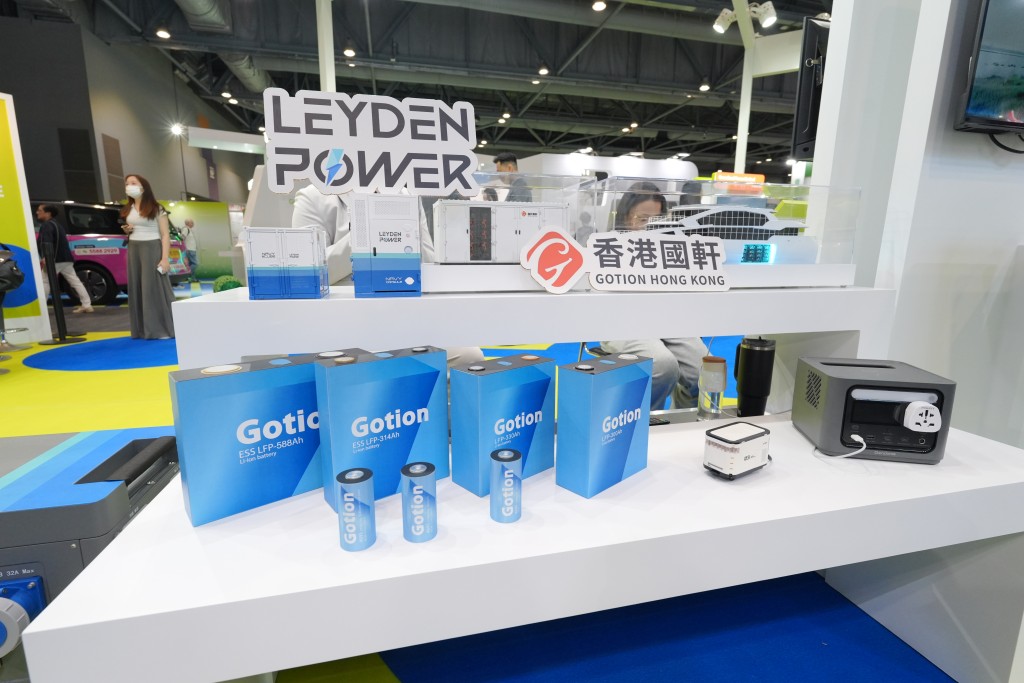
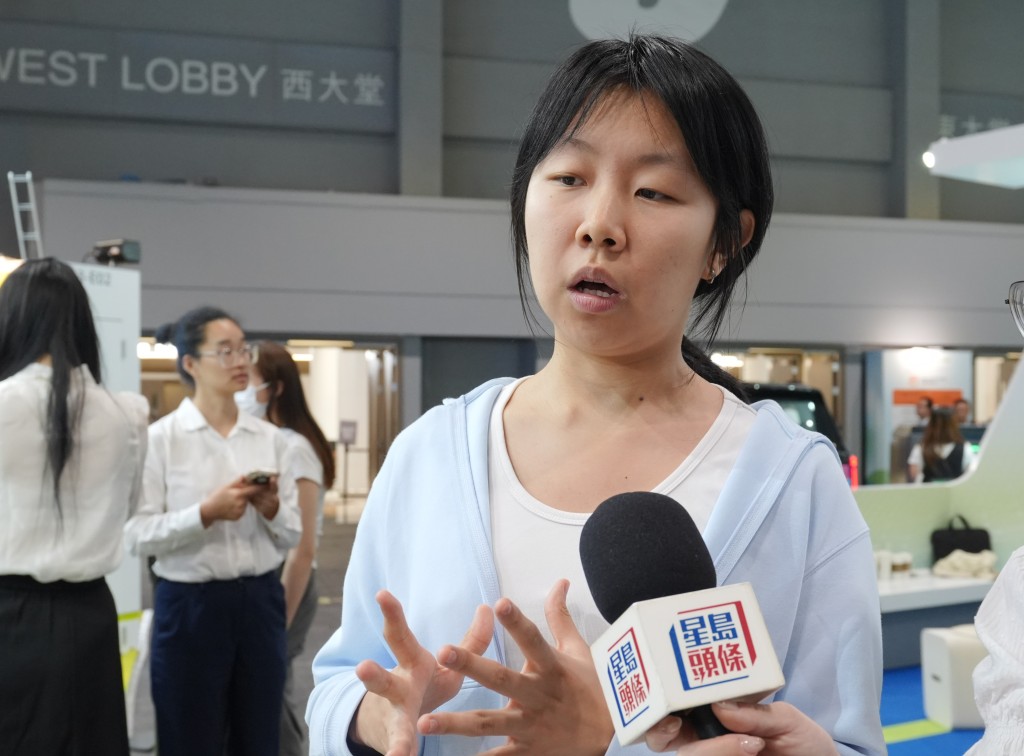
CNAE China Company Limited is presenting sodium-ion battery technology that it says could provide an alternative to lithium-based systems amid concerns over lithium supply and costs.
Compared with conventional lithium-ion and lead-acid batteries, the company said sodium-ion batteries offer greater thermal stability, lower production costs and a lower risk of explosion. Their raw materials can also be sourced from materials including seawater and coconut shells.
The company has assembled individual cells into modular battery packs for EVs, large-scale energy-storage systems and solar-power installations.
While its current applications in Hong Kong are focused mainly on solar power and energy storage, the company said it hopes to expand collaboration in Hong Kong and the Greater Bay Area to promote wider adoption of sodium-ion technology.