In an era where a photo often takes the place of firsthand experiences, George Huang, chief executive of ioio studio, a cross-media creative studio, is building an interactive exhibition that puts science and history in visitors’ hands – starting with the moon.
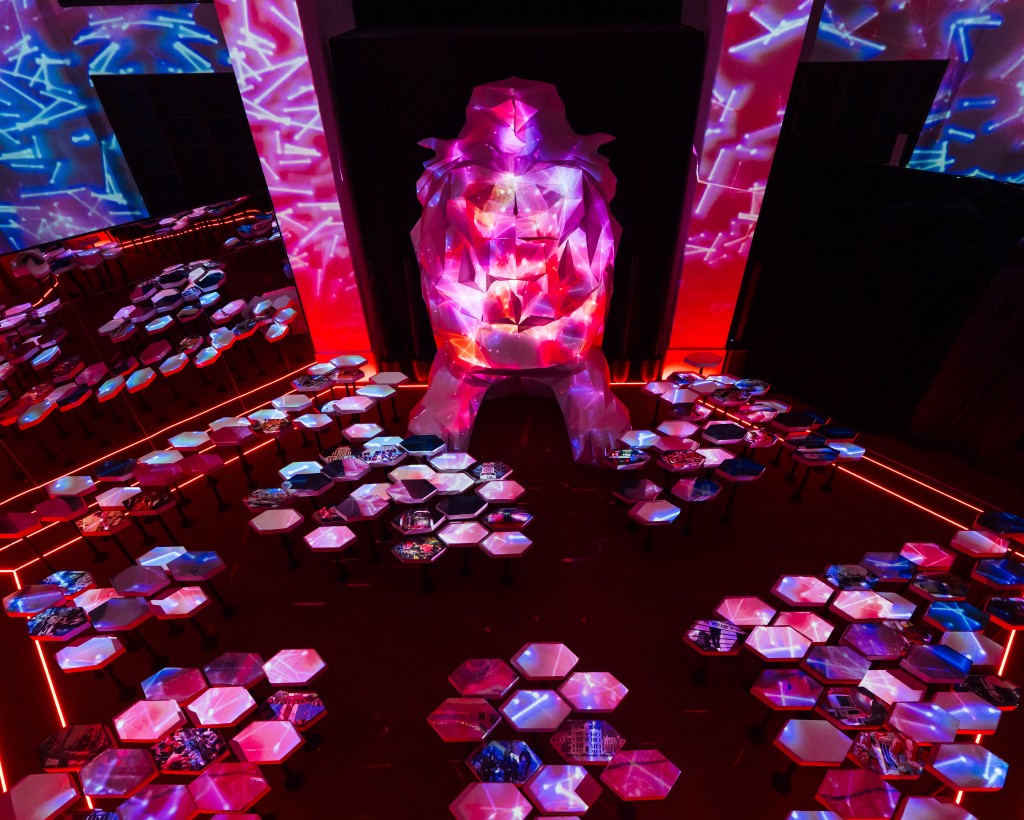
Staged at K11 MUSEA, “Fly Me to the Moon: A 380,000 km Odyssey” invites audiences on a futuristic journey set in 2048, when the moon is a travel option. It takes participants through a simulated launch and touchdown powered by immersive light and sound.
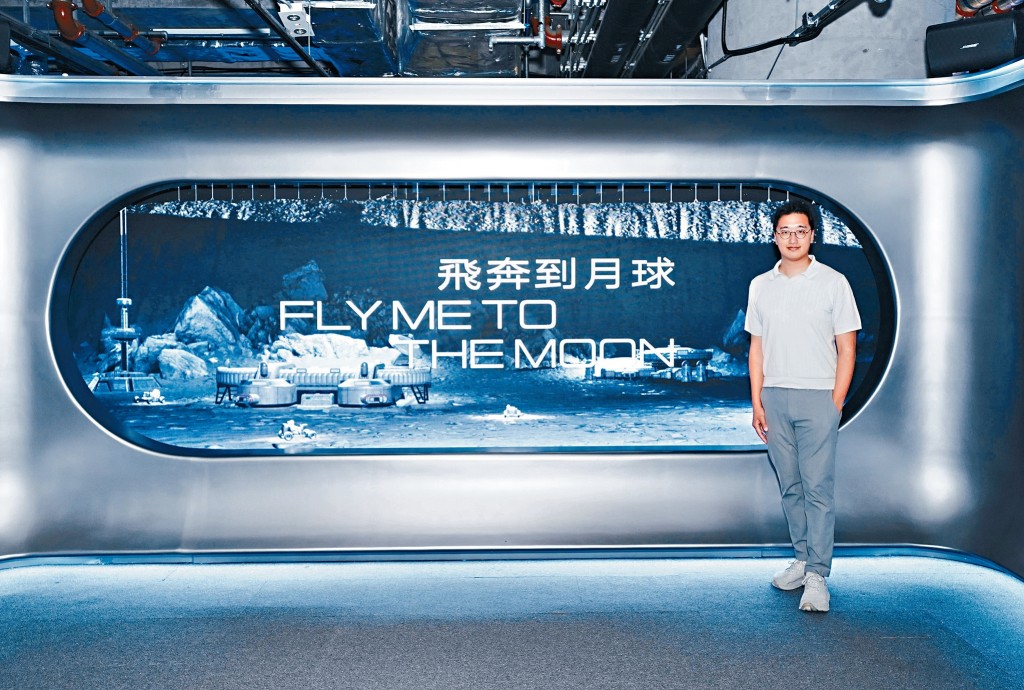
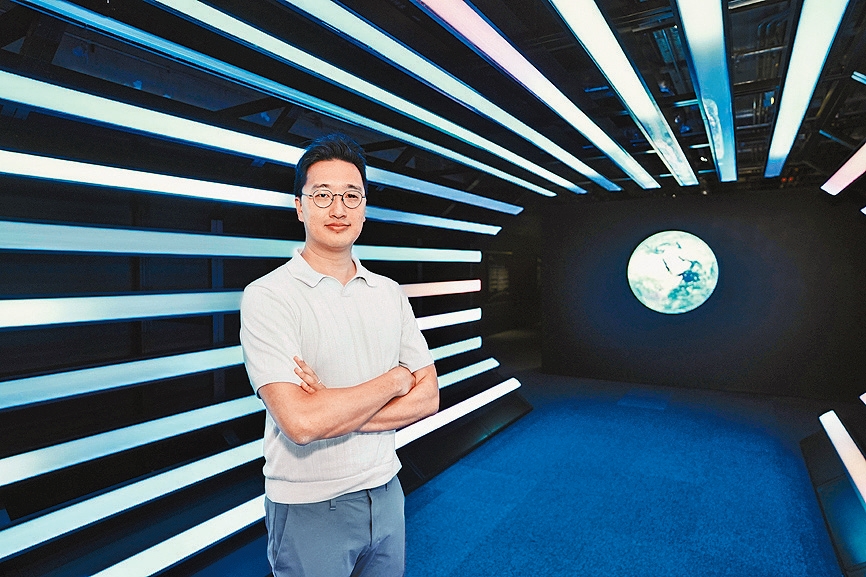
George Huang, chief executive of ioio studio.
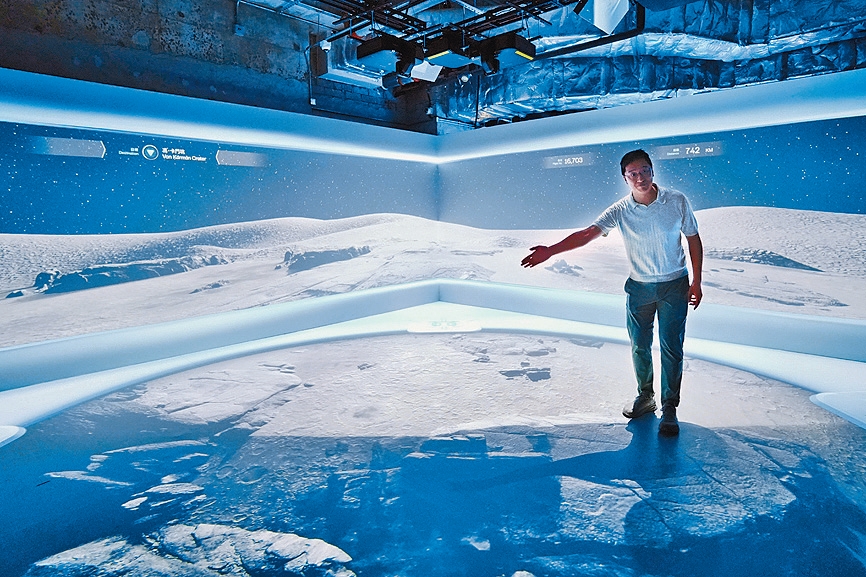
Against a simulated starfield, visitors will pull on astronaut gloves and tackle challenges from building a moon base to designing a menu for the lunar journey.
On display are “state-level” space exhibits, including rocket booster debris, the parachute from the Chang’e-6 return capsule and rocket models. Visitors can also touch a moon soil sample – a hands-on encounter with a real human milestone.
Visitors will pull on astronaut gloves and tackle challenges from building a moon base to designing a menu for the lunar journey
Huang described the exhibition as “hard science fiction” grounded in real research rather than simple fantasy, citing China’s plans to build a lunar base and extract resources.
He said bringing the rare aerospace artifacts to the public took planning that began late last year and required building trust between Hong Kong and mainland authorities with different habits and cultures.
He added that the show marks a new chapter for ioio studio, which turns 10 and is now organizing directly for the public rather than working mainly with museums.
Huang expects demand for in-depth experiences to grow.
Huang, a former journalist, said curation needs both research and imagination, particularly when words alone no longer hold an audience. “We need to create an immersive space you can see, play in and walk into,” he said, adding that cross-disciplinary collaboration is essential.
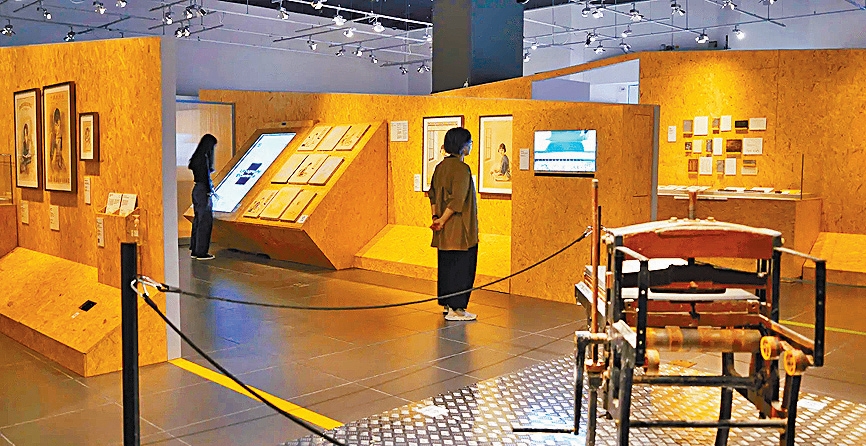
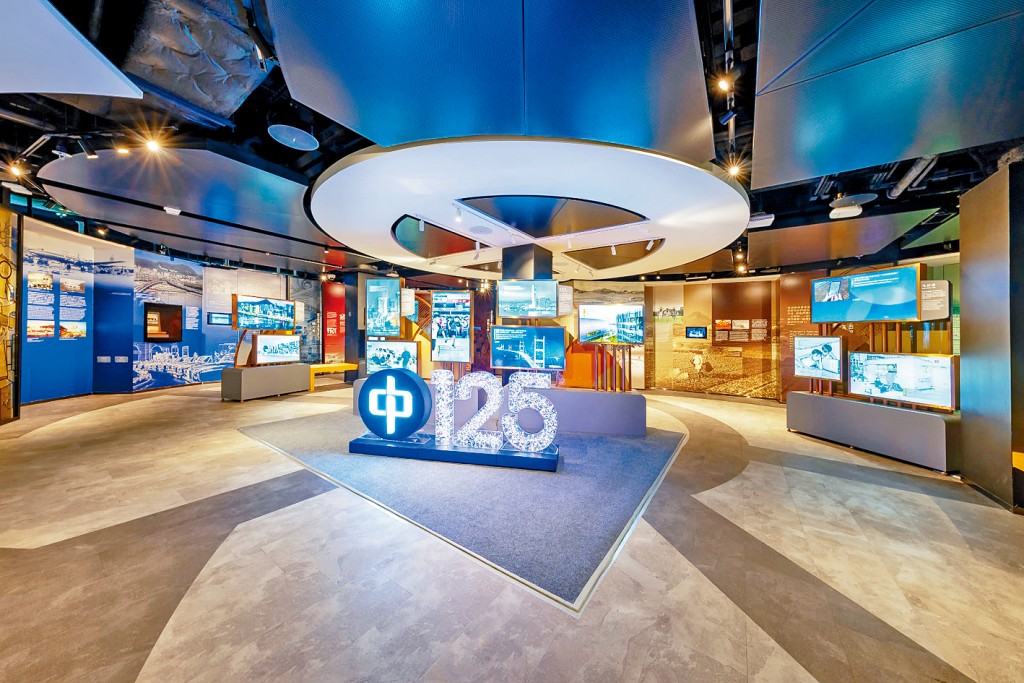
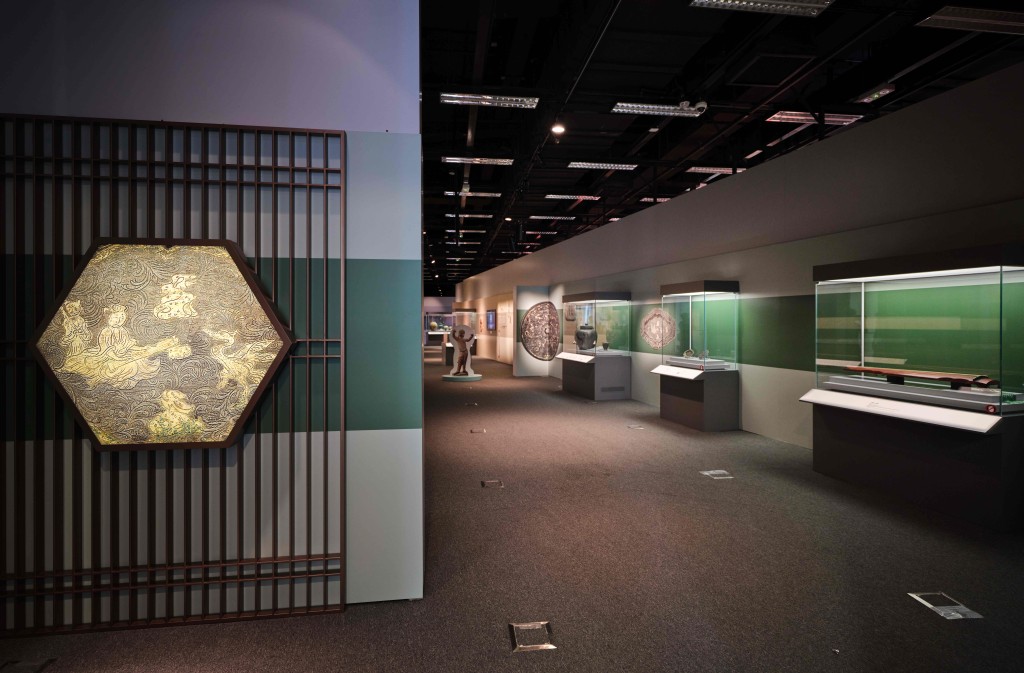
He recalled an exhibition at the Hong Kong Museum of History where the team dropped long text for rare aerial views of old factory clusters. The key is finding valuable visuals and unusual angles that let audiences absorb knowledge through sensory experience.
He also cited work by sister company PORTA CABIN, which partnered with the Society for Hong Kong Studies on a World War II-themed exhibition built around the first-hand stories by Chinese navy officer Lam Ping-yu. The show grew out of the 2015 discovery of Lam’s diary by history enthusiasts in a soon-to-be-demolished building, and has since toured globally, even drawing a visit from Princess Anne of the United Kingdom.
Commenting on recent exhibitions, he acknowledged that snapshots have value but said taking them rarely sparks memory or thought. Yet, he admitted that getting visitors to “slow down” is hard as attention spans shrink and reading habits favor short-form content summarized by AI.
He noted that AI still has limits in visual aesthetics. “Physical design and production involve weight, structural strength and physical support points, which AI cannot solve right now.”
He expects the tech wave to create a split world, with people seeking efficiency at work but growing demand for real experiences in leisure, since in-depth interaction itself cannot be replaced.
Looking ahead, Huang wants to reach citizens with cultural experiences and products, alongside a blueprint for island-culture experiences.
Describing islands as “time capsules” that preserve culture, he pointed to Hong Kong as one of the few places still using traditional Chinese characters, adding that islands are often the last fortress when culture faces pressure to assimilate or vanish.
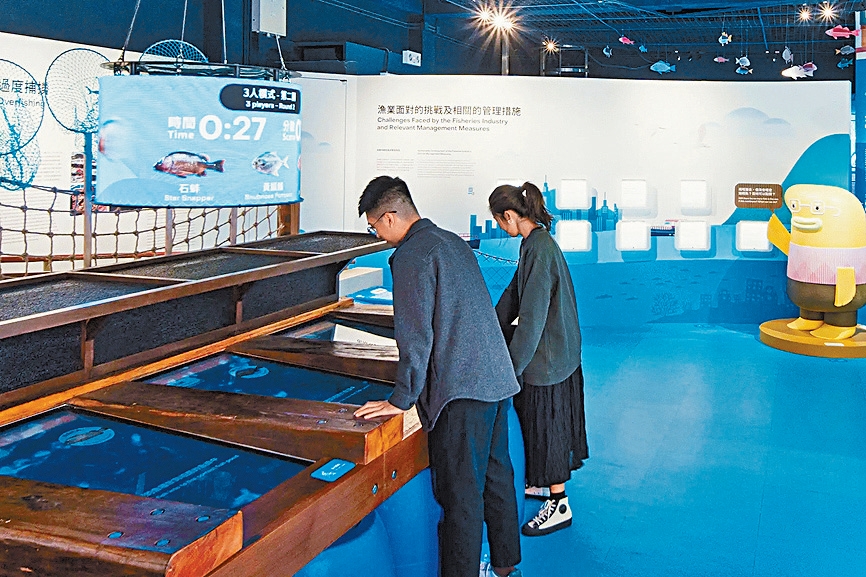
The team designed the Fisheries Hall at Lions Nature Education Centre with multiple interactive exhibits.
Behind the exhibition: hoping for learning, curiosity about space
Behind the space exhibition, George Huang said he had both a personal connection and a broader goal to raise public awareness of aerospace development in Hong Kong.
“Many of my father’s family studied physics and science, which keeps me close to the science world, yet unfamiliar,” he said.
He added that Hong Kong holds many niche communities, ranging from tech enthusiasts to space fans and sci-fi readers. “Like the so-called ‘otaku,’ I also enjoy studying Pokemon cards – anything with deep research interests me,” he said, hoping to reach those audiences with the exhibition.
Huang said his motivation also came from watching Hong Kong’s aerospace sector grow; students once had to go to the US to study black holes, but can now do research and have jobs related to aerospace at several local universities.
“Space is one of the next tech flashpoints. Hong Kong needs to think about its position,” he said.
The Tsim Sha Tsui venue, he said, was chosen so both locals and tourists could see a Hong Kong version of the future.
“If ordinary people can land on the moon in 20 years, could they work there? What jobs would exist? We want to spark curiosity about space and show people how to explore.”
A movable-type printing game presented by the Hong Kong Heritage Museum and Hong Kong Open Printshop