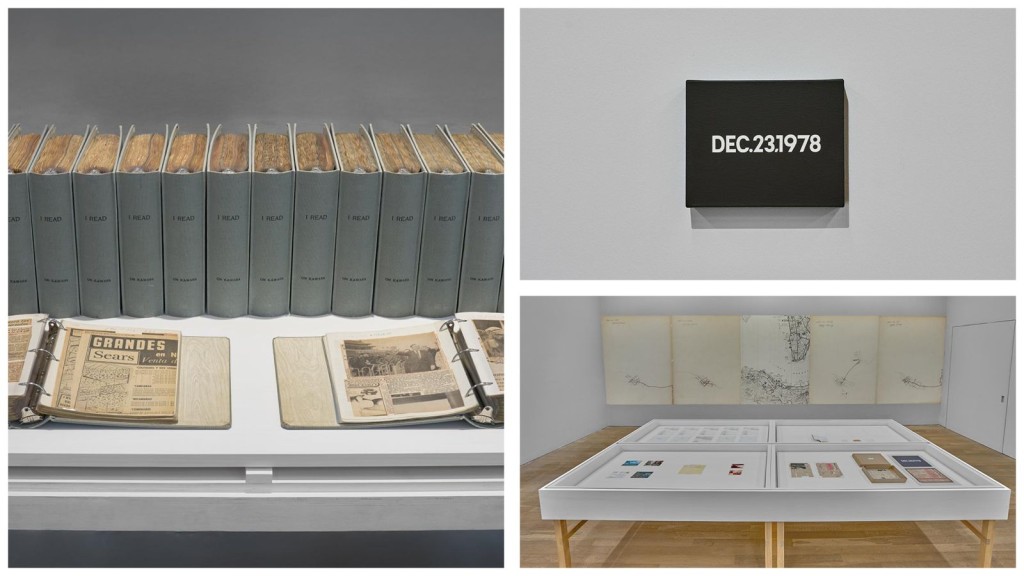
In modern times, people leave their daily existential imprints through social media images, text, and tags. Can you imagine how artist On Kawara documented the "systematic existence" before the invention of social media?
ADVERTISEMENT
SCROLL TO CONTINUE WITH CONTENT
The exhibition “On Kawara: Rules of Freedom, Freedom of Rules” at Tai Kwun, 10 Hollywood Rd, Central may reveal this answer. This exhibition for free will open until August 17.
+4
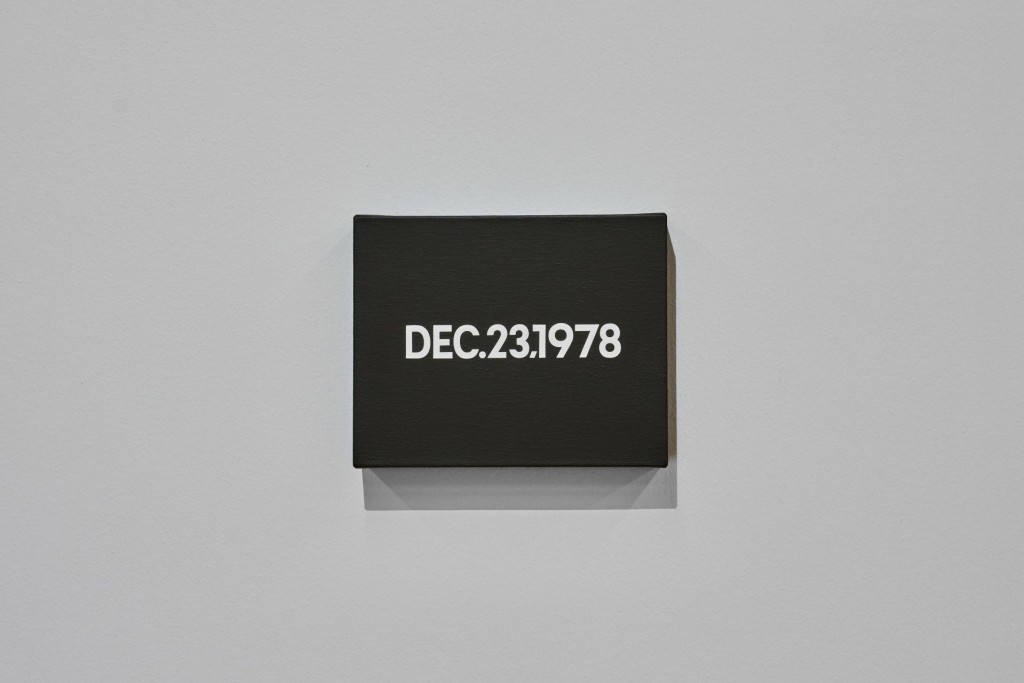
“On Kawara: Rules of Freedom, Freedom of Rules” presents the artist's most iconic series, spanning five decades of work and marking the first institutional solo presentation of his work in the world since his passing 10 years ago.
Born in Kariya, Japan, Kawara emerged as an influential member of the postwar avant-garde after moving to Tokyo in 1951. Long before social media, On Kawara used the advanced communication tools of his time—postcards, telegrams, calendars and CDs to mark his presence and connect with others, bridging the personal and universal. In the early 1960s, he emigrated from Japan to Mexico, then to the US.
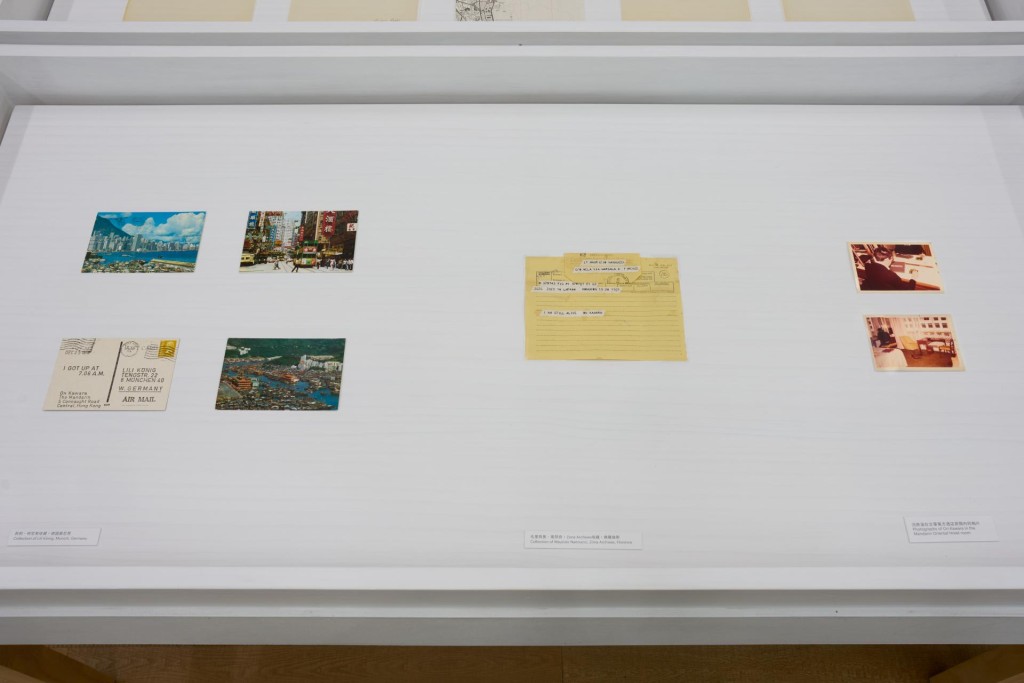
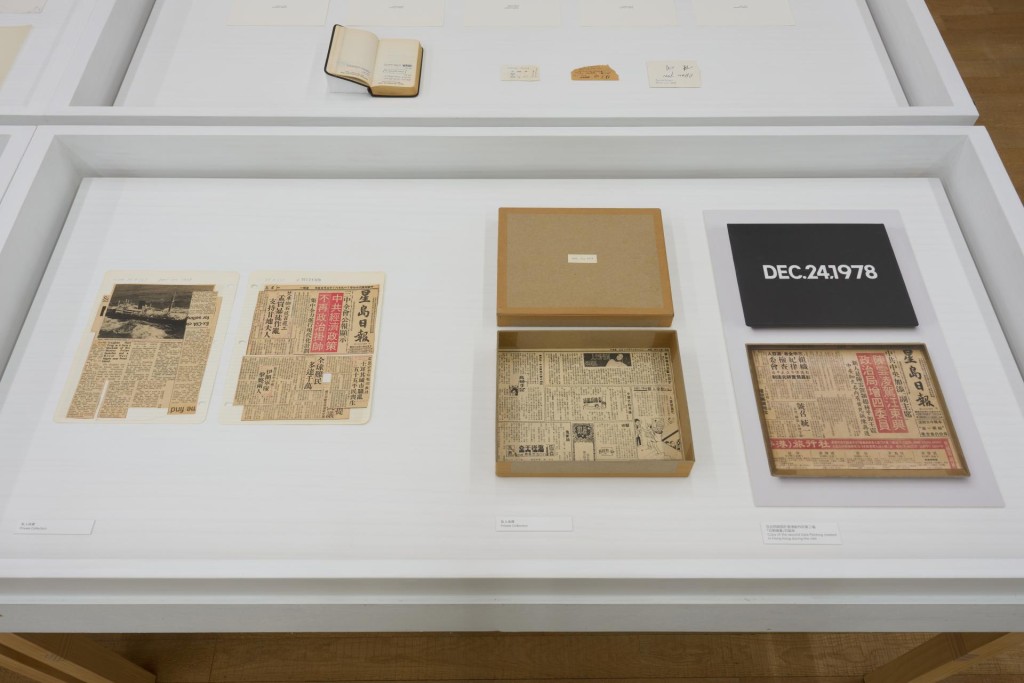
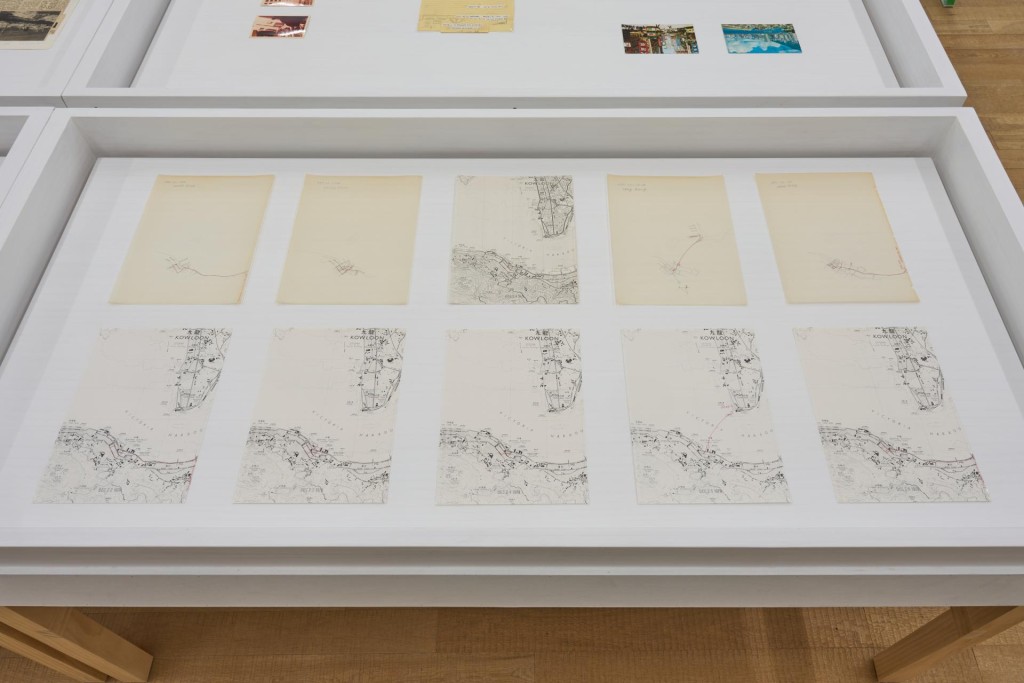
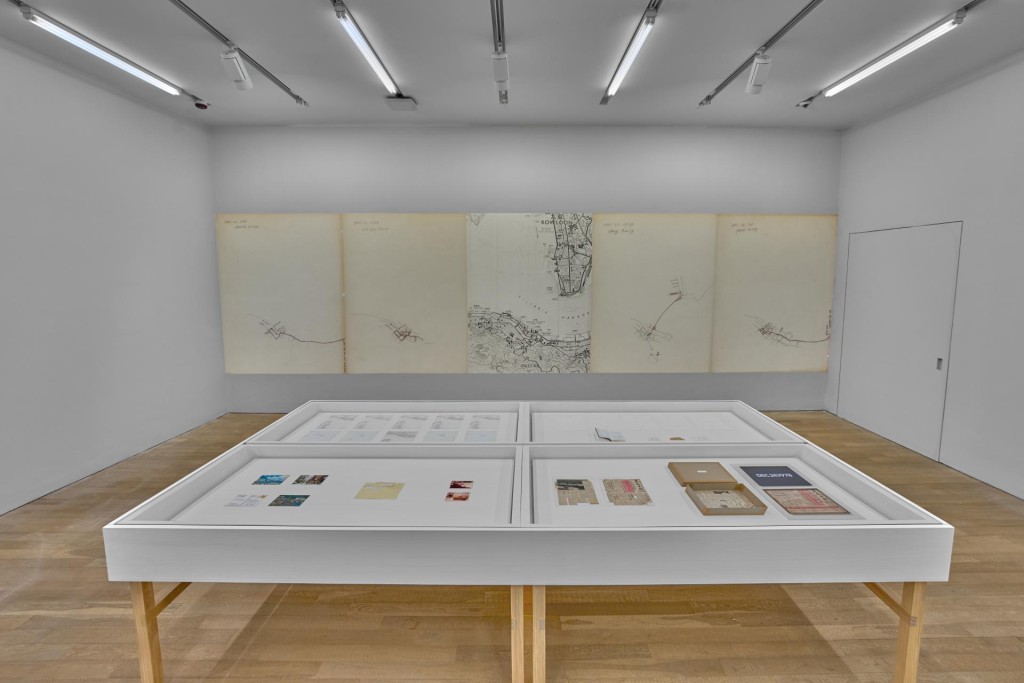
Hong Kong was also one of the places On Kawara traveled to during his life journey. In December 1978, at the age of 46, he visited Hong Kong and stayed at the Mandarin Oriental on his birthday. This exhibition features a dedicated section tracing On Kawara's footsteps in Hong Kong.
“I Am Still Alive” and “I Got Up” were created during his time in Hong Kong.
Beginning with three cryptic messages in 1969— progressing from “I AM NOT GOING TO COMMIT SUICIDE DON’T WORRY” to “I AM NOT GOING TO COMMIT SUICIDE WORRY” to “I AM GOING TO SLEEP FORGET IT”—this series evolved into the simple yet profound declaration “I AM STILL ALIVE.” Over three decades, Kawara sent over nine hundred such telegrams to friends and acquaintances worldwide, expressing both the magnitude of time and the significance of individual moments
Picture postcards with rubber-stamped texts are the presentation of “I Got Up”. Kawara sent two postcards to friends and colleagues each day for nearly 12 years, stamping the exact time he arose that day along with the addresses of both sender and recipient. Through this simple yet profound gesture, repeated thousands of times, Kawara transformed ordinary post correspondence into a meditation on time, presence, and human connection.
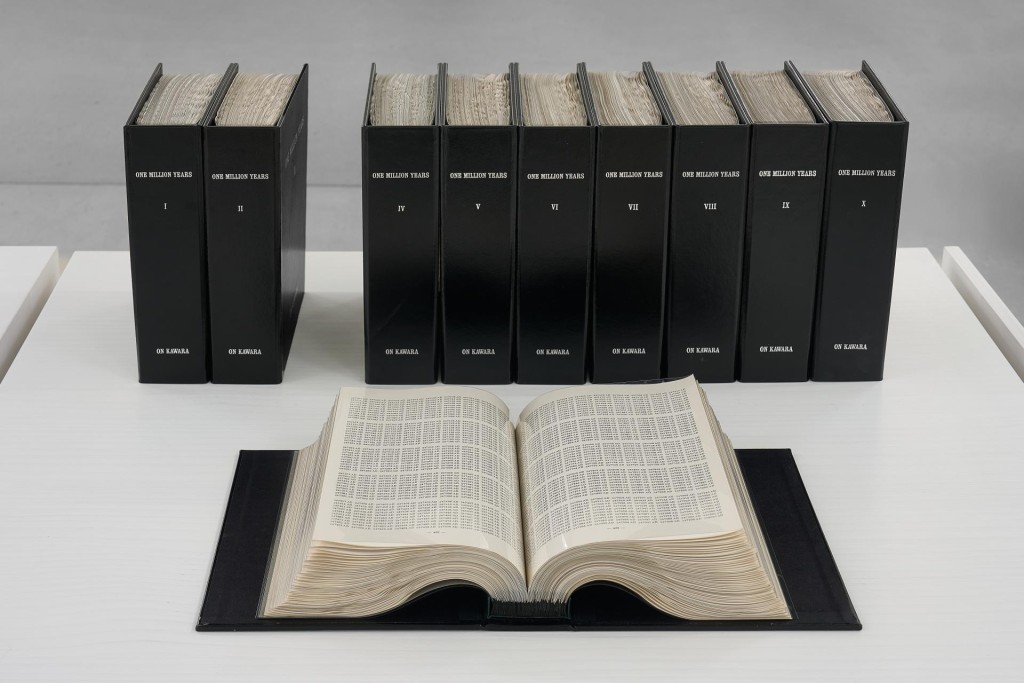
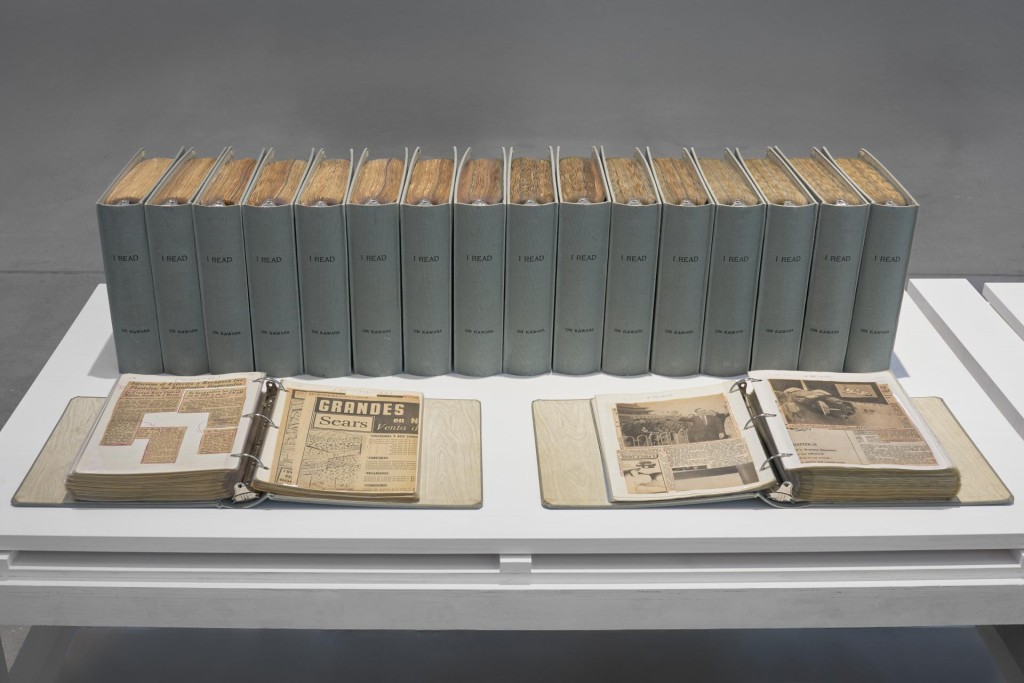
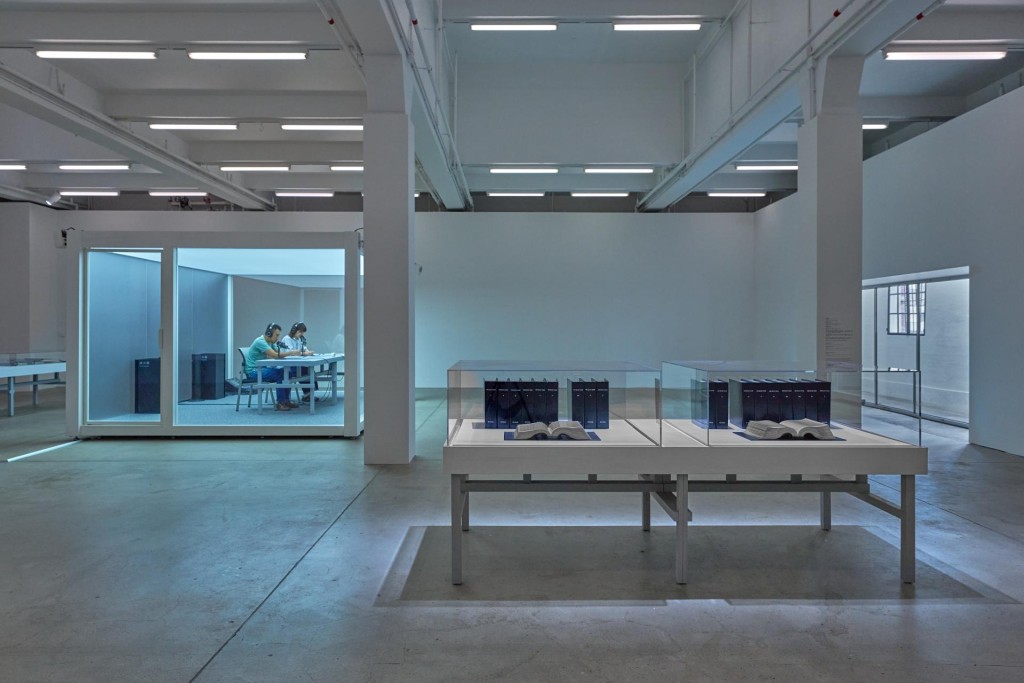
“One Million Years” was an extraordinary attempt to comprehend time beyond human scale by the artist, with two parts containing twelve sets of ten binders. Every binder holds two thousand pages, and each page methodically listing five hundred years in a grid of ten columns and fifty rows.
Through a meticulous cut-and-paste technique, Kawara documented one million years into the past and one million years into the future. The decade from 1970 to 1980 remains deliberately unrepresented, creating a poetic void between past and future.
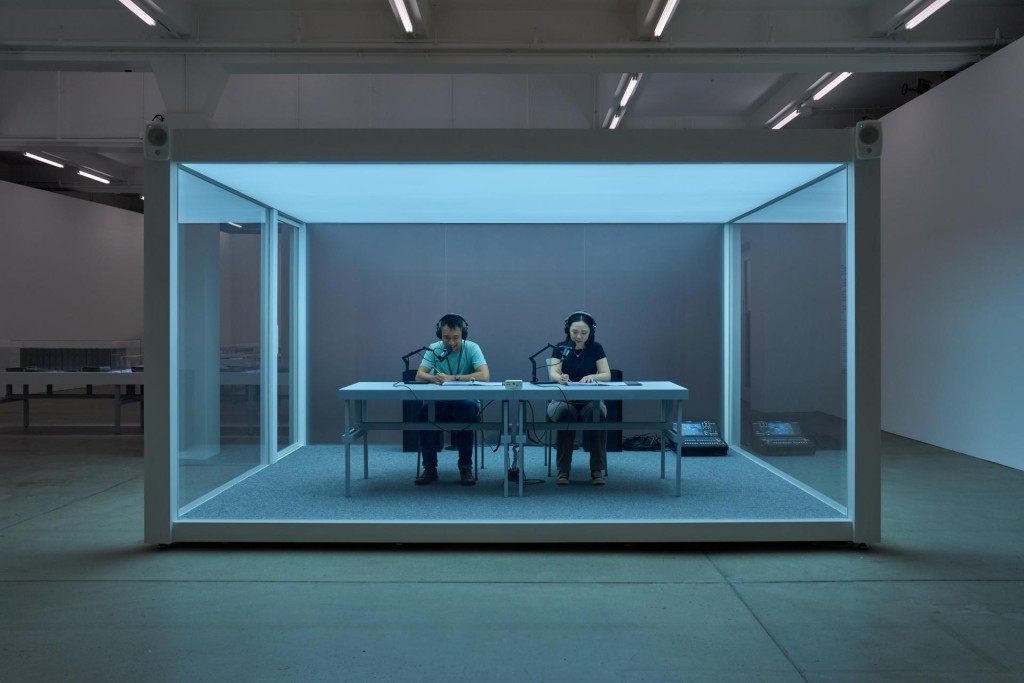
Since 1993, the work has expanded to include live readings, where readers alternately recite these years in a continuous demonstration of time’s passage. Live performances will take place from 2 pm to 6 pm with intermittent breaks.
The exhibition is open Tuesday to Sunday, 11 am – 7 pm, at 1F JC Contemporary and 1F F Hall, Tai Kwun.