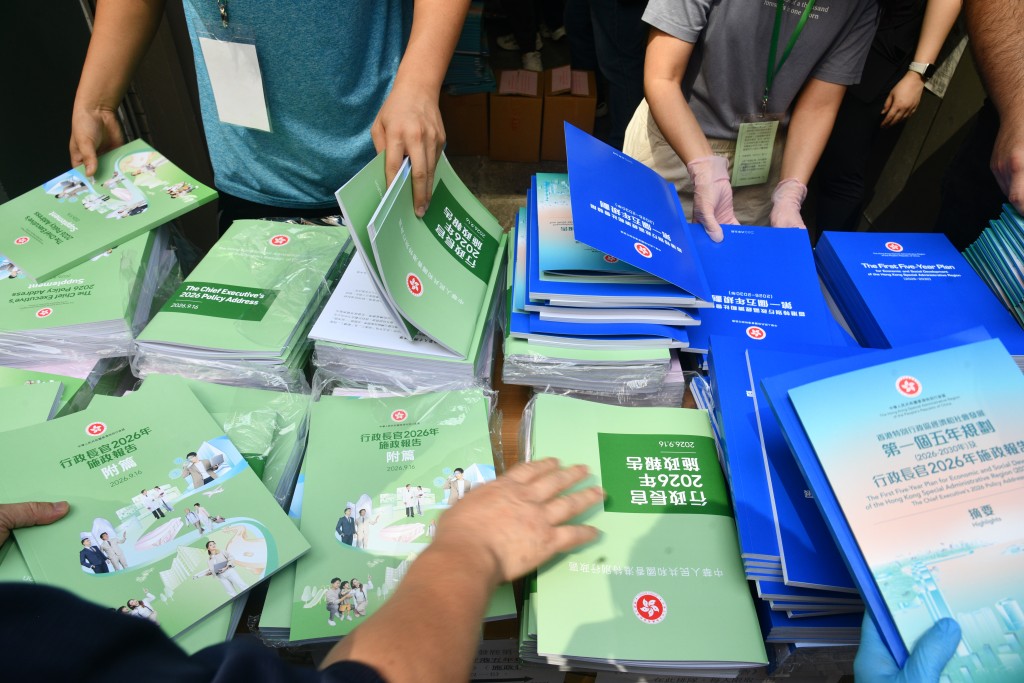
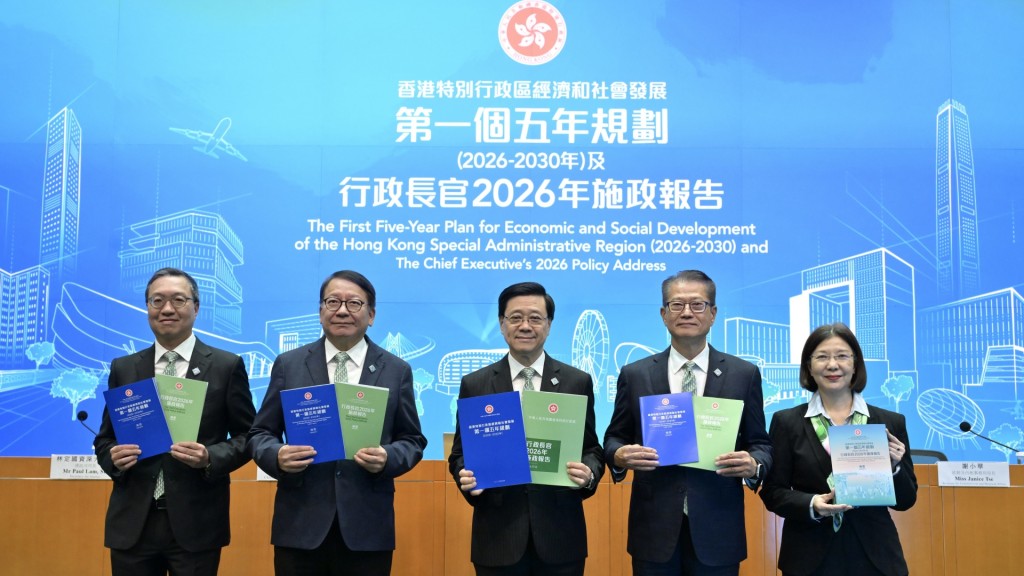
Hong Kong’s medium-term GDP growth could exceed the 3 percent annual forecast shared by Citi and the government if the city successfully plays its “super-connector” role under the Five-Year Plan and new Policy Address, according to Citi Research.
Citi noted that the policies established a medium-term framework that aligns the city’s development with China's national strategy while upgrading Hong Kong’s traditional economic model through innovation, advanced industries and deeper mainland integration.
The research noted that the plan should reduce policy uncertainty and offer a clearer roadmap for capital allocation, guided by the “Four Centers” growth pillars — finance, maritime and aviation, trade, and innovation and technology — along with the Finance+ funding framework, the Northern Metropolis as an execution platform, and the talent hub as a workforce foundation.
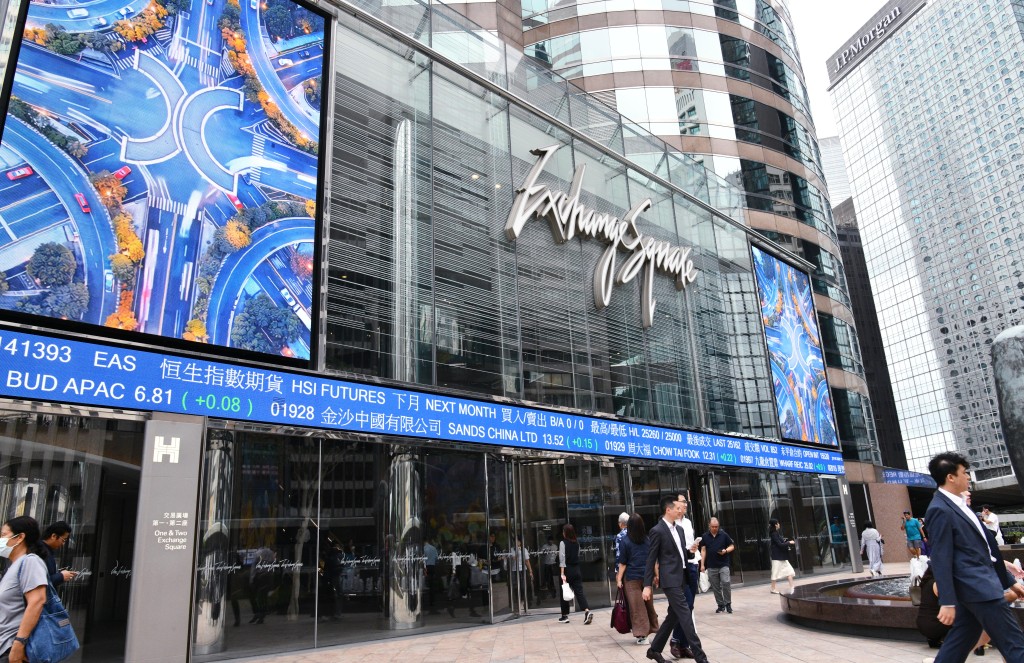
Citi highlighted that rapid expansion of the offshore yuan business could be a potential near-term earnings driver, given China’s national 15th Five-Year Plan also prioritizes yuan internationalization in scaling up trade, mainland firms’ overseas expansion, and expanding yuan settlement demand and financing.
It mentioned that offshore yuan funding is attractive, with the 3-month offshore yuan HIBOR at around 1.6 percent compared with the US SOFR at 3.6 percent, alongside record offshore yuan loans of 1 trillion yuan and certificate-of-deposit issuance totaling 151 billion yuan in March, bond issuance reached 1.6 trillion last year, and deposits stood at 1.4 trillion yuan in July. Cross-border yuan trade settlement also rose to 1.4 trillion yuan in July, supporting greater liquidity and market depth.
Northern Metropolis remains the largest medium-term asset-allocation theme for Hong Kong, Citi said, serving as the northern engine of Hong Kong’s “South-North Dual Engine” model, complementing the traditional financial and commercial core with innovation, technology and advanced industries.
Meanwhile, implementation is key. City said the plan’s success will depend on delivering the Northern Metropolis, attracting private capital and talent, commercializing research, and expanding offshore yuan usage. But a weaker yuan, execution delays, slower mainland growth, and geopolitics could add risks to the plan’s success.
Therefore, Citi said investors should track offshore yuan activity, fund and family-office domiciliation, tokenization, commodity-market development, Northern Metropolis milestones, and conversion of research into investment, start-ups and industrial output.
Citi highlighted that as of July 2026, approved funding for Northern Metropolis-related public works exceeded HK$180 billion, with the government financing core transport, housing and public infrastructure. While cost overruns, infrastructure delays, public-private partnership participation, and funding availability remain key risks, the medium-term capital spending plan does not significantly change Citi’s fiscal outlook, forecasting fiscal balances of 0.6 percent of GDP in 2026, 0.2 percent in 2027, and 0.3–0.4 percent in 2028–30.