
Read More
Ask a patient in Hong Kong living with severe obesity about their treatment options, and many will share how challenging it is to find the right path forward. While laparoscopic bariatric surgery remains a highly effective, gold-standard intervention for many individuals, not every candidate is suited for or comfortable with a major operation.
ADVERTISEMENT
SCROLL TO CONTINUE WITH CONTENT
In clinical practice, patients often express feeling stuck in a gap: traditional lifestyle measures may yield limited long-term results, while surgical operations feel like a larger leap than they are ready to take.
Obesity is a complex metabolic condition, not a failure of willpower. For those seeking a safe alternative, endoscopic sleeve gastroplasty offers a valuable, non-surgical middle ground.
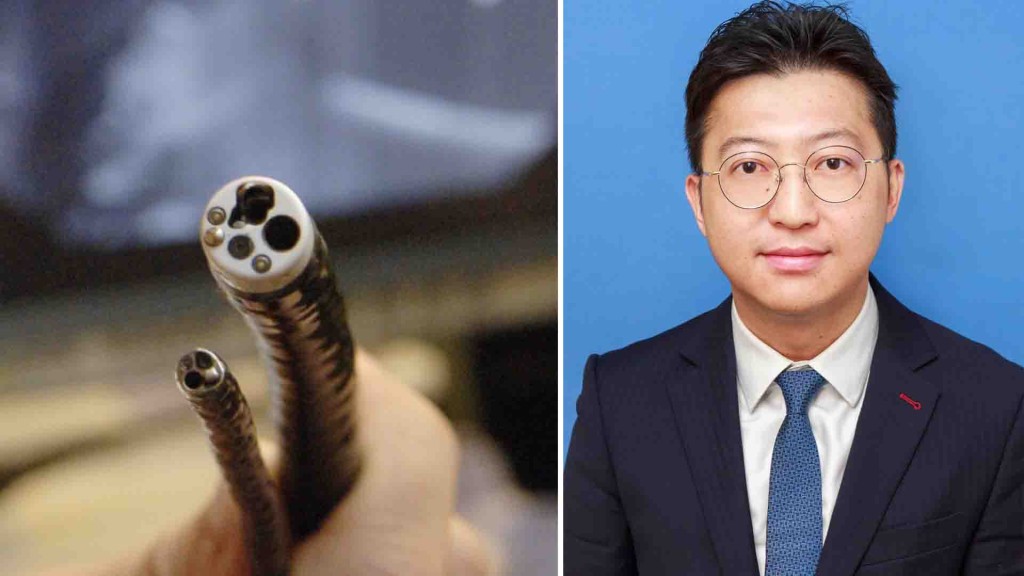
Unlike traditional surgery, ESG is performed entirely through the mouth under general anesthesia without any abdominal cuts. Using a flexible endoscope equipped with a specialized suturing device, the physician places full-thickness running stitches to fold and cinch the stomach walls inward, reducing its capacity by roughly 70 percent into a narrow tube.
Because no gastric tissue is cut or permanently removed, patients benefit from minimal post-procedure pain and a smooth recovery, typically staying in the hospital for a few days for close monitoring and initial dietary adaptation.
Beyond significant weight reduction, ESG serves as a powerful intervention against metabolic syndrome, a cluster of conditions including hypertension, high blood sugar, visceral fat, and abnormal cholesterol levels. By physically restricting stomach capacity and slowing gastric emptying, the procedure helps patients achieve early satiety while favorably resetting key gastrointestinal hormone signals.
Clinical studies demonstrate that patients achieve an average total body weight loss of 15 to 20 percent over 12 to 24 months, alongside meaningful health improvements:
Type 2 diabetes: Enhanced insulin sensitivity and improved glycated hemoglobin control.
Cardiovascular health: Favorable drops in blood pressure and lipid profiles.
Liver function: Reductions in non-alcoholic fatty liver parameters.
Bariatric management is not one-size-fits-all. By pairing an incisionless, organ-sparing technique with proven metabolic benefits, ESG expands the spectrum of modern medical care, empowering patients to safely regain control of their health.
Dr Dennis Lam Chin-tou, Specialist in General Surgery