Read More







The wisdom tooth dilemma: remove or leave them? | Dr Eric Chan
30-09-2026 04:50 HKT

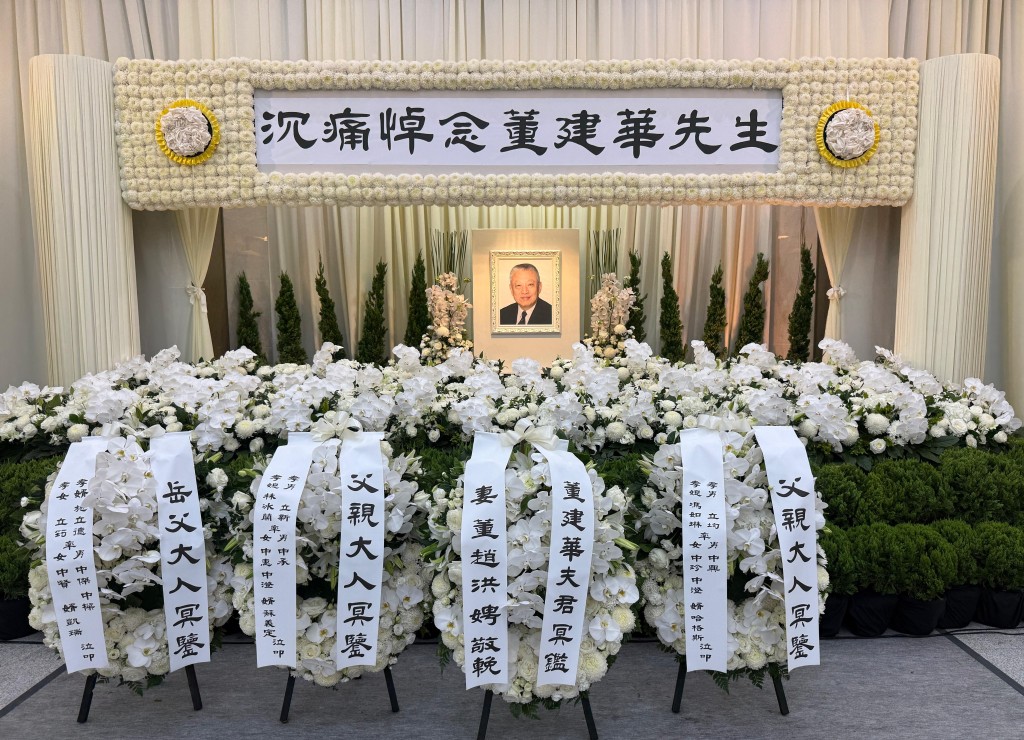
Committed, tireless, resilient: Tung Chee-hwa | High-flier | Jeffrey Lam
29-09-2026 05:12 HKT




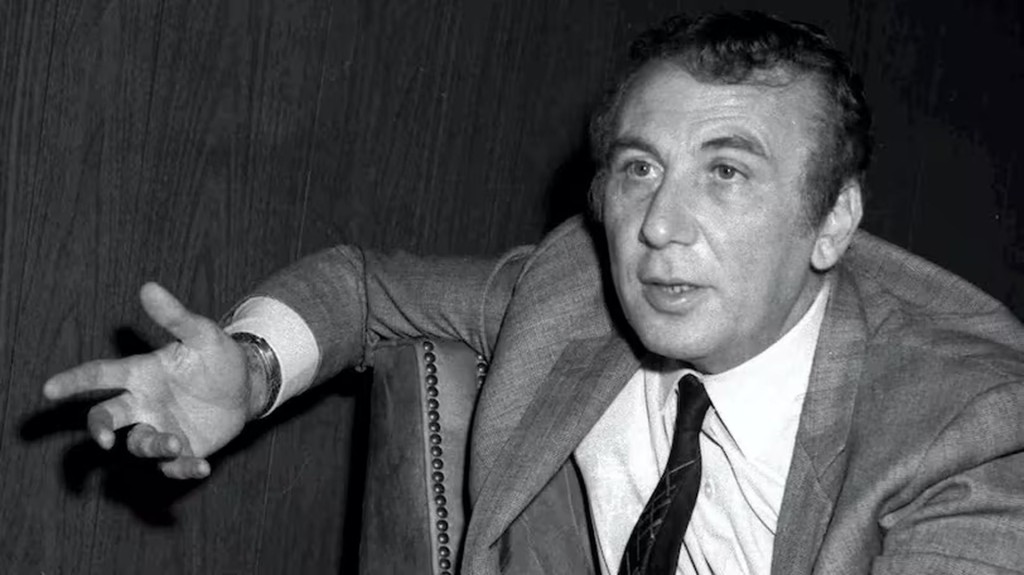
Poetry has always been the vital pulse of Arab existence. Crowned the "The Archive of the Arabs," it masterfully captured their epic journeys, battles, and romances within rigid, uncompromising rules of meter and rhyme. To deviate from this classical structure was unthinkable, until the 20th century ushered in a fierce artistic rebellion. At the vanguard of this literary revolution stood Nizar Qabbani.
In 1939, a 16-year-old Qabbani embarked on a maritime voyage to Rome. Mesmerized by the dancing waves and leaping dolphins, a profound inspiration stirred within the young Damascene's soul. He wove his very first lines of verse that evening, drifting to sleep only to awaken the next dawn completely transformed into a poet.
Despite a lengthy career steeped in diplomacy and politics, Qabbani's legacy became eternally entwined with the essence of women and love. As the undisputed poet of the Arab woman, his accessible yet impossibly inimitable style meticulously sculpted her into a timeless, ever-fragrant rose. Through his verse, he continually championed her emancipation from heavy societal chains, rendering his poetry an aesthetic tribute, a daring challenge, and a liberating anthem.
His bold, deeply sensual portrayal of female beauty, audaciously reflected in titles like The Childhood of a Breast, often subjected him to a storm of criticism within a deeply conservative society.
Nevertheless, fiercely enamored with both internal and external beauty, he navigated the gateways of profound emotion and burning desire as a masterful, seasoned lover, yet humbly declared: "Twenty years upon the path of passion, Yet the path remains unknown. Once, I was the slayer, But more often, the slain. Twenty years, O Book of Love, And on the very first page, I remain!"
Though Arabic literature boasts many giants, none provoked such an unparalleled tempest of uproar, admiration, and sheer rejection. Departing this world on April 30, 1998, Qabbani left behind a breathtaking legacy of nearly 40 collections, forever immortalizing the deepest passions, emotions, and sorrows of the Arab soul.
Amjad Refai is the director of the Arabic Programme at the University of Hong Kong