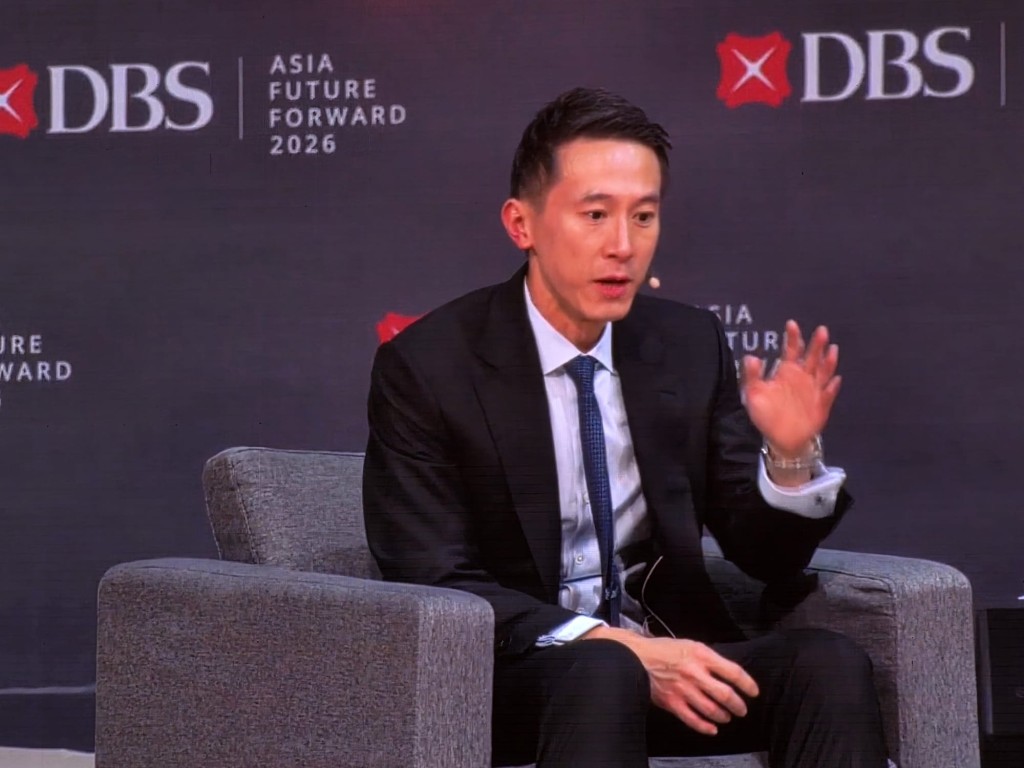
Chew Shou Zi, TikTok chief executive, said human-AI collaboration is the near-term path, as AI already reshapes content creation, moderation, search and coding
Chew said the world may be overestimating artificial intelligence in the short term while underestimating its long-term impact, urging a balanced “human-AI combination” rather than letting machines make every decision.
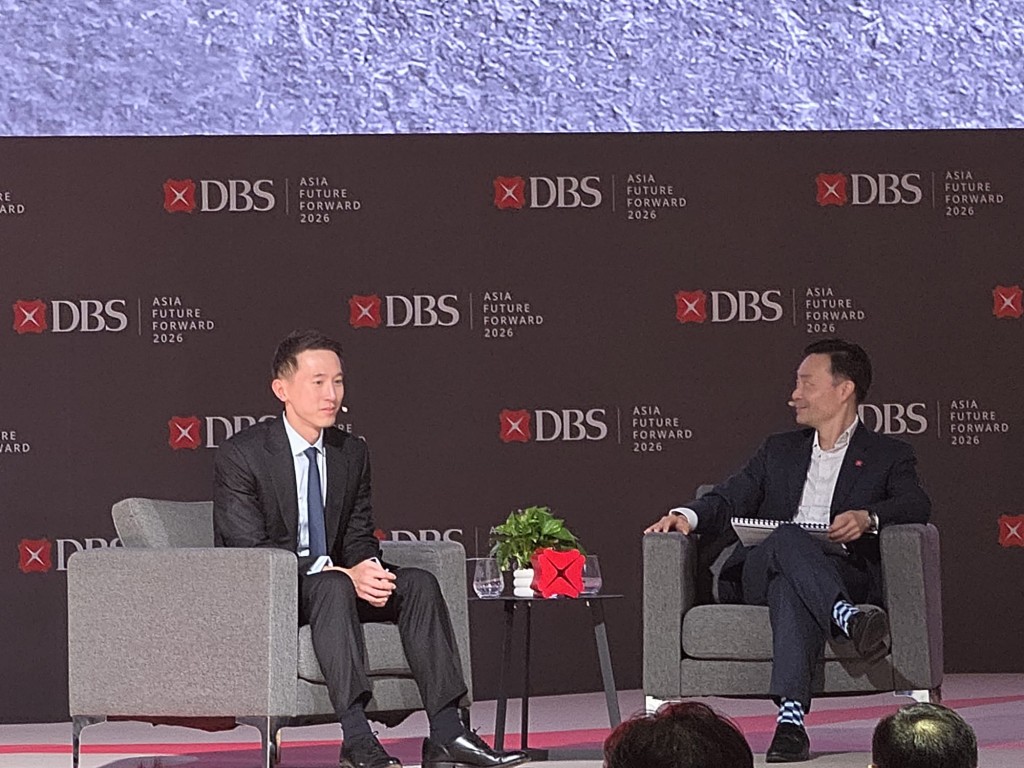
Chew made the statement when speaking in a dialogue with Shee Tse Koon, DBS group head of consumer banking and wealth management, at the bank's Asia Future Forward 2026 Conference.
He added that “we are totally at the beginning” of what AI can do, and warned it would be risky to assume that slower short-term progress means AI will not become hugely important later.
Human-AI balance, not machine takeover
Chew said he increasingly believes AI should not take “complete full rate of all decisions.” Instead, humans and AI should work together.
In the near term, he said, employees across engineering, legal and other functions should use AI tools themselves to understand their limits. As trust and guardrails improve, agents will likely be allowed to do more at scale. But high-stakes, highly differentiated work will still need significant human involvement.
He described an internal framework that sorts tasks by routine versus differentiated, and high-stakes versus low-stakes. Routine, low-stakes work can be automated carefully. High-stakes, highly differentiated work remains “very high touch” and needs people.
AI already embedded across TikTok
Chew said AI is already touching nearly every part of TikTok’s business.
In advertising, AI video-generation tools can cut the cost of producing a video ad from thousands of dollars to as little as US$1 (HK$7.8) to $10. In micro-dramas, he said the overwhelming majority of productions now use AI models. Recommendation systems are being strengthened by large language model capabilities, search is becoming more conversational, and engineers are using AI to help write code.
Trust and safety is another major area. Chew said AI can help moderate live streaming at scale by converting video into text narratives and matching them against community guidelines—for example, detecting someone driving at dangerous speeds. That has “tremendously improved” the ability to handle tens of millions of live streams, he said.
Creation VS consumption gap
But Chew also noted a gap between creation and consumption. While many users are experimenting with AI-generated videos, the share of views on such content has not kept pace.
People still want content that feels real and authentic, he said, and there can be pushback when something looks obviously AI-generated. That suggests human creativity will remain valuable.
Chew flagged cybersecurity and education risks. Users may give agents permissions—such as access to a credit card—without understanding the consequences. Employees must be trained not to put trade secrets or privileged legal information into public chatbots.
AI lowers the cost of malicious behavior, he said, so companies need better defenses and clear boundaries for acceptable use. “You cannot reduce it to zero,” he said of cyber risk. The goal is to make attacks more expensive.
Long-term science potential and alignment
Chew said AI’s most exciting potential may be in science, including physics, biotech, chemistry and materials science. But aligning machines with human moral and ethical boundaries remains a complex, unresolved issue.
For now, he said, the priority is to embrace the tools, stay curious and keep humans at the center of judgment.
Shou Chew in conversation with Shee Tse Koon.