If you try to order Ginger Beef from a chef in Hong Kong, you will likely be met with blank stares. Yet in Canada, this dish is a true “Canadian-born Chinese” classic and a local favorite. So why does it thrive in North America but remain virtually unheard of in Hong Kong?
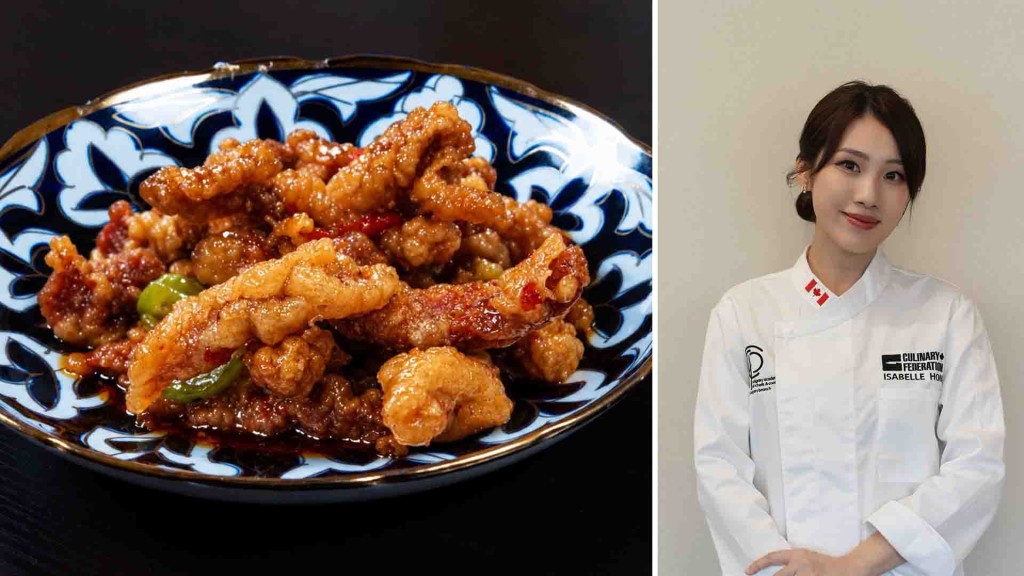
Ginger Beef wasn’t born in a traditional Chinese kitchen, but is an innovative creation developed in an immigrant dining environment to cater to Western tastes. The story begins at Silver Inn in Calgary, Alberta. In the 1970s, head chef George Wong noticed Western diners loved crispy textures and sweet-and-sour flavors. He transformed the traditionally drier, chewier shredded beef by coating it in batter, deep-frying it to golden crispness, and tossing it in a thick, sweet-and-sour sauce with generous ginger and chili. It was an instant hit, quickly spreading across Canada and becoming a “soul-soothing comfort food” for countless locals.
As a former Hong Kong magazine editor who later studied culinary arts and worked in Canadian kitchens, this dish has given me a deeper understanding of “identity.” To a Hong Kong palate, it might taste like a thicker sweet-and-sour pork or even Korean fried chicken. But to me, it is a beautiful fusion of Chinese and Western cultures. A plate of Ginger Beef carries far more than just sweet, tangy, and spicy flavors; it captures how immigrants adapt familiar traditions in a foreign land to create a taste of their new home.
That is what I hope to explore in this column: how food connects us to where we come from, and how we discover who we are in a new home.
Isabelle Hon traded her Hong Kong editor’s desk for Canadian kitchens, bringing a writer’s eye and a chef’s grit to stories that connect East and West