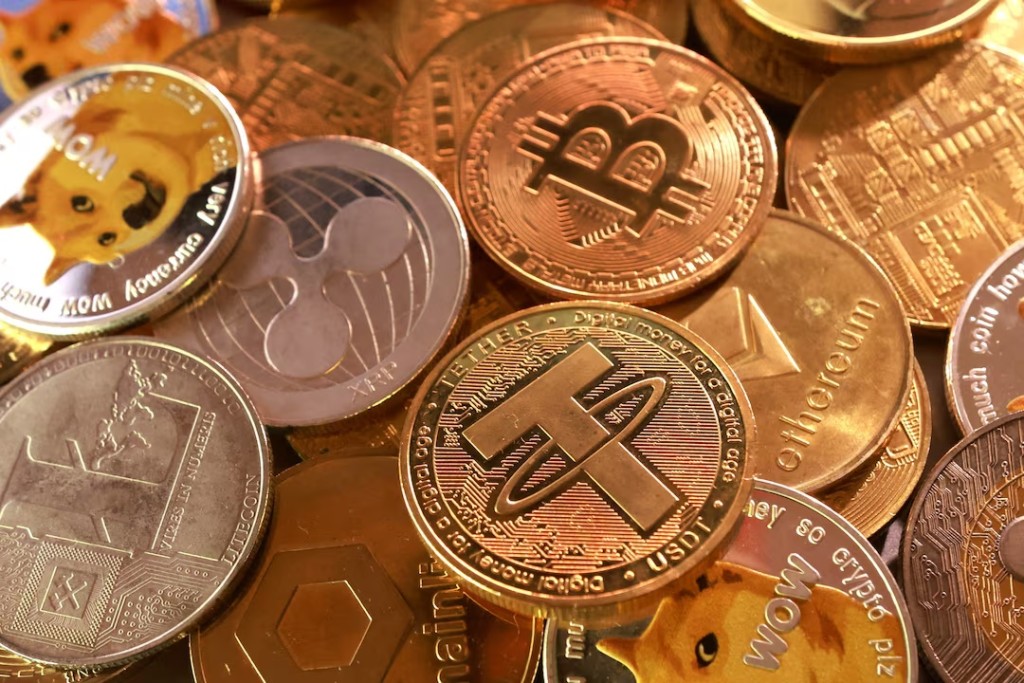
South Korea's financial regulator has unveiled draft rules that would allow local banks to issue stablecoins, a move that could pave the way for an easing of a nine-year-old ban on fundraising via initial coin offerings (ICOs).
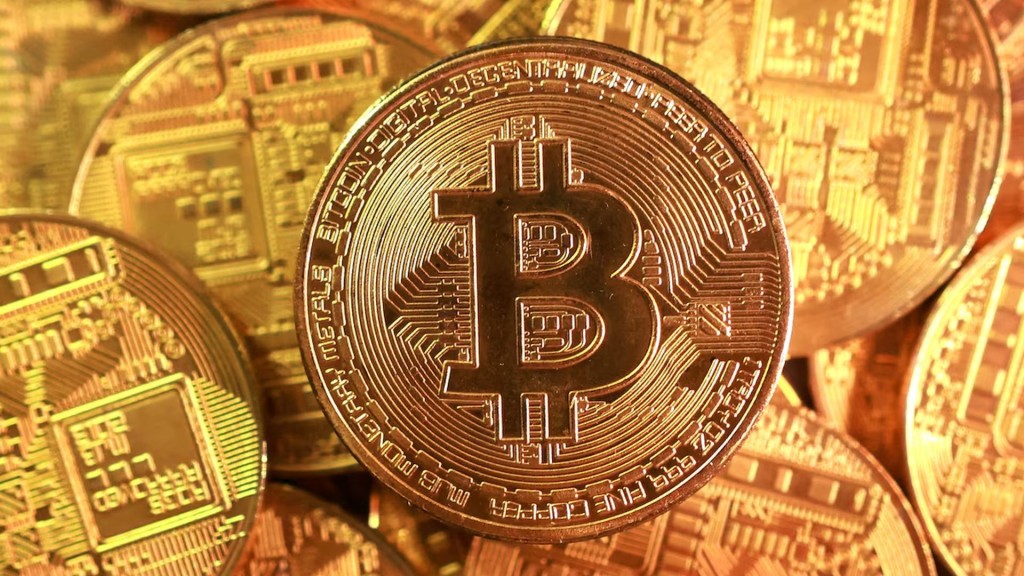
Stablecoins are a type of cryptocurrency pegged to certain assets, typically a fiat currency, and designed to maintain a stable value.
Following are details of the rules:
-
South Korea's Financial Services Commission said on Tuesday that it plans to introduce legislation on digital assets to boost market transparency and strengthen investor trust. The legislation would still need to pass the National Assembly.
-
Consortiums in which local banks hold a majority stake would be allowed to issue stablecoins. Regulators are also pursuing ways to let fintech and other technology firms participate.
-
Major shareholders of digital asset trading platform operators would be able to hold up to a 20 percent stake. The cap could be increased to 34 percent with FSC approval.
-
Coin issuers would have to submit a white paper to the FSC detailing their ICO plans, similar to an ICO prospectus. The white paper would need to address how the proceeds would be spent and lay out the business proposal, risks and size of the offering.
-
South Korea banned all kinds of ICOs in 2017, following similar restrictions in China over concerns about financial scams.
Reuters