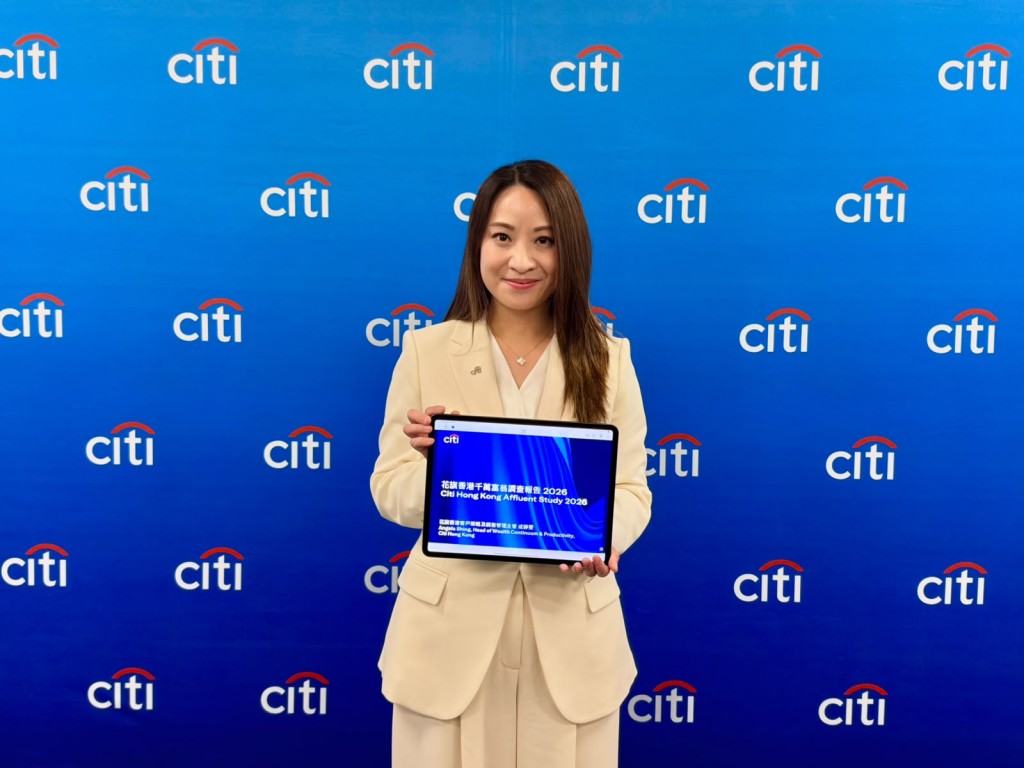
Hong Kong's multimillionaire population has reached an estimated 412,000, tripled compared to 16 years ago, meaning one in every 13 residents holds net assets over HK$10 million, a Citi Hong Kong survey showed on Wednesday.
The affluent group averages 56 years old and is 53 percent female. On average, they earned their first HK$1 million and bought their first property at age 33.
The median net worth of these high-net-worth individuals is HK$20 million, with 51 percent held in real estate and the remainder in liquid assets.
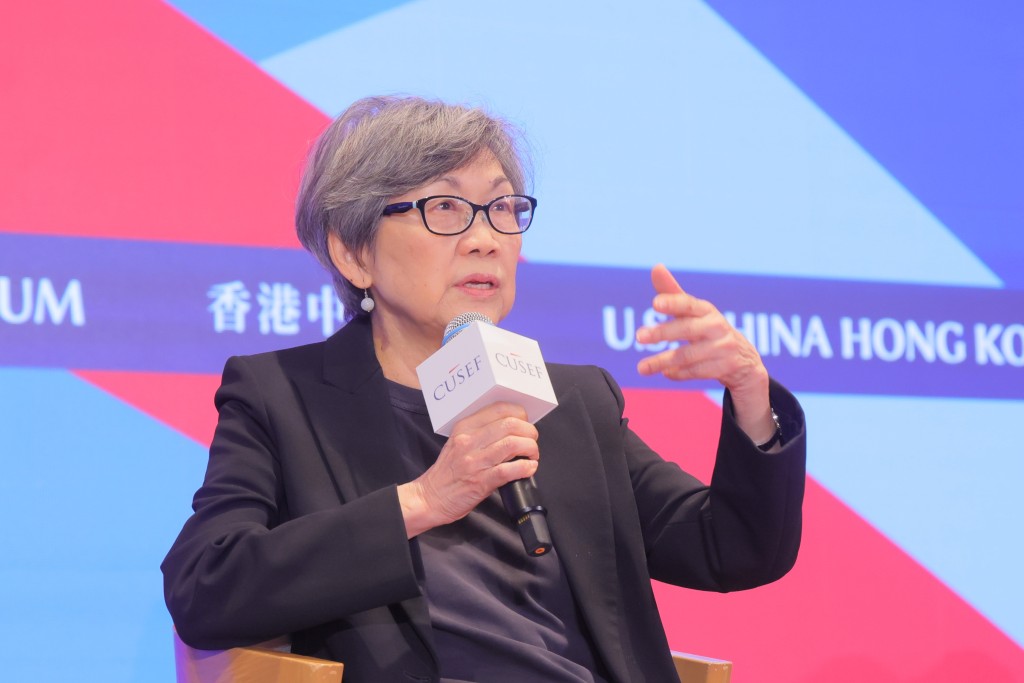
The number reflecting the city’s resilience as a global wealth management center, said Angela Shing Ching-man, head of wealth continuum and productivity at Citibank Hong Kong.
Property prices seen up 6pc
The wealthiest tier, holding over HK$40 million in liquid assets, led this trend with 52 percent owning a second property locally or overseas, compared to just 16 percent of lower-tier affluent individuals, the survey showed.
The proportion of wealthy individuals owning a second property has remained largely unchanged from last year, said Garvin Yuen Ka-kui, head of investment strategy and business at Citibank Hong Kong.
Yuen noted local property prices have risen by about 10 percent year-to-date, predicting that both property prices and rents could see a 6 percent increase next year.
Although local residential property prices saw a correction in the third quarter, primary market sales remained robust due to persistent underlying demand, Yue added.
Meanwhile, the survey showed diversified investors reached the HK$10 million liquid asset milestone in 13 years, seven years faster than their deposit-focused peers.
Sustainable wealth growth depends on diversification and building portfolios that remain resilient across market cycles, Shing said.
Just 7pc rely solely on AI
The study showed that artificial intelligence adoption has gone mainstream, with 86 percent of multimillionaires using AI tools. The wealthiest tier uses it daily to identify new opportunities, while others primarily use it to maintain workplace competitiveness.
Despite this high adoption rate, only 7 percent of affluent investors would rely entirely on AI for investment decisions, though 63 percent trust it for information gathering.
While the wealthy readily embrace AI, they do not lean on it alone, Shing noted.
"They still value experienced advisory teams with sound judgment, favoring a model where AI assists and humans lead," she added.