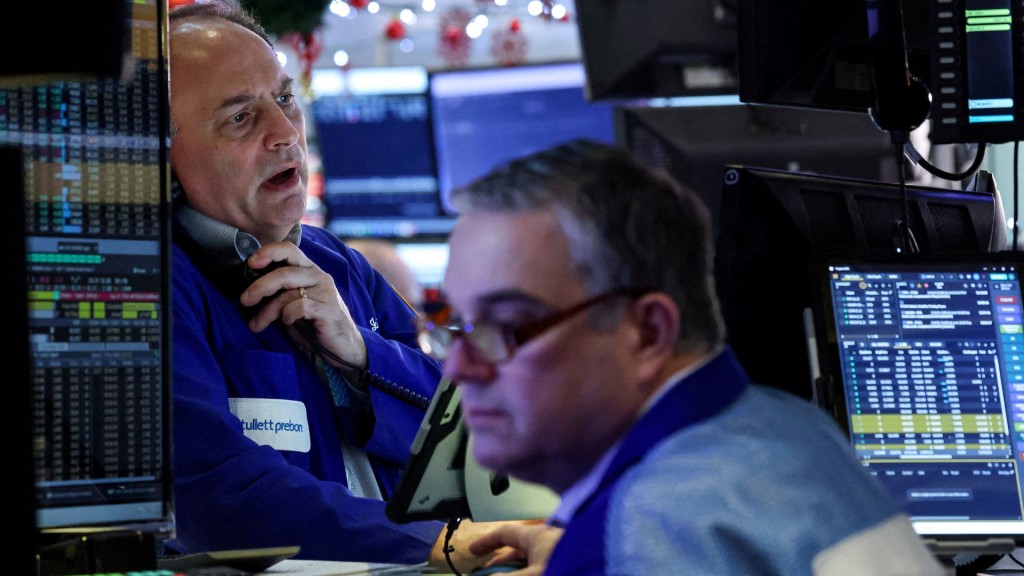
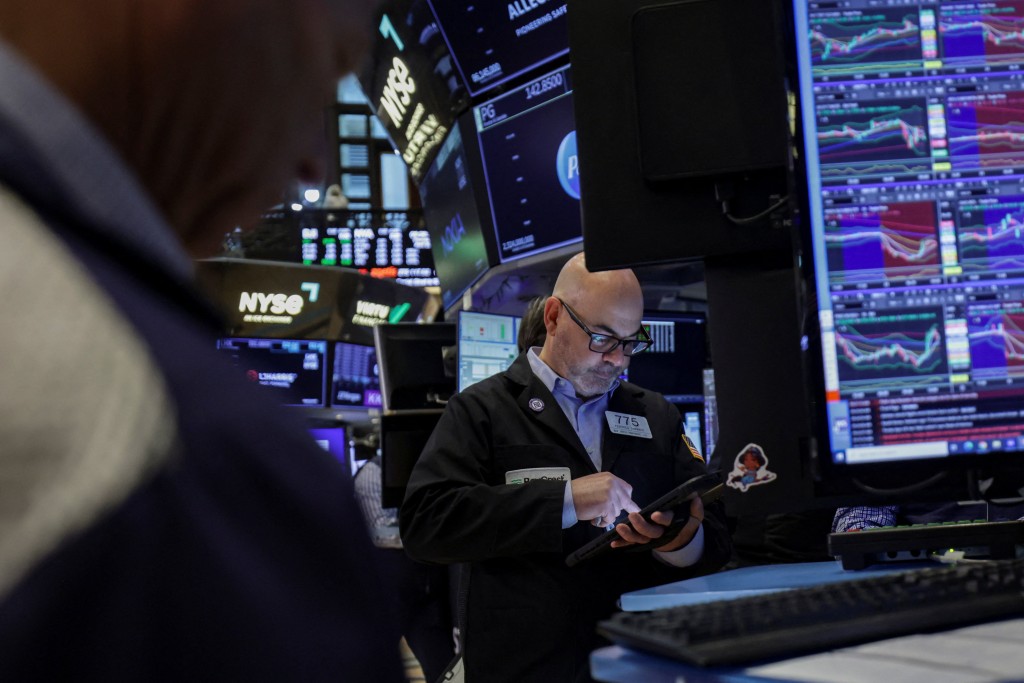
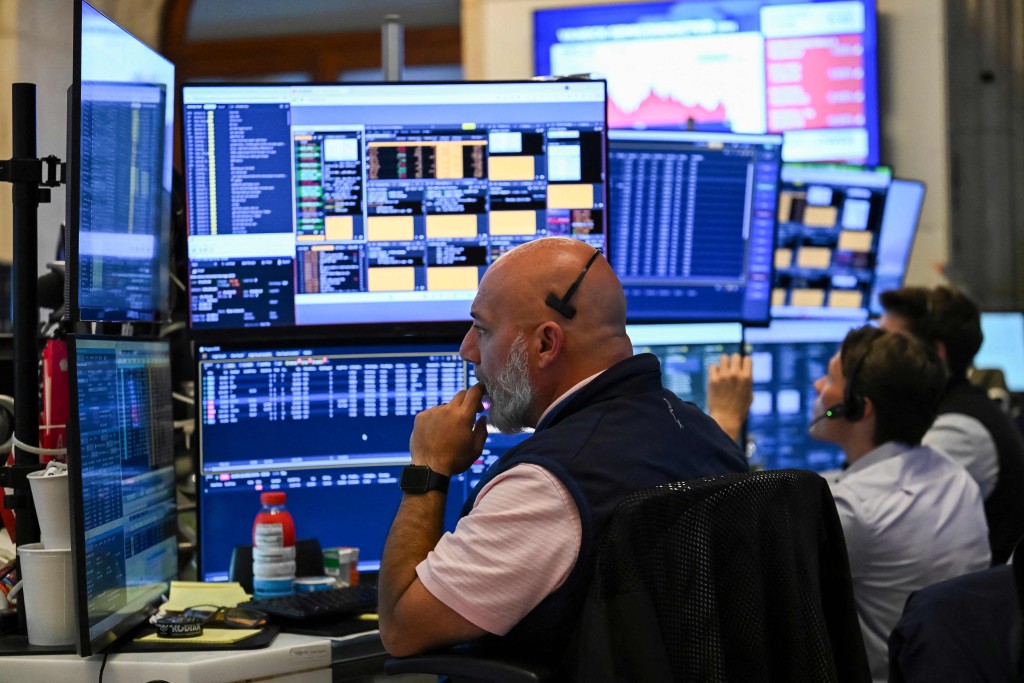
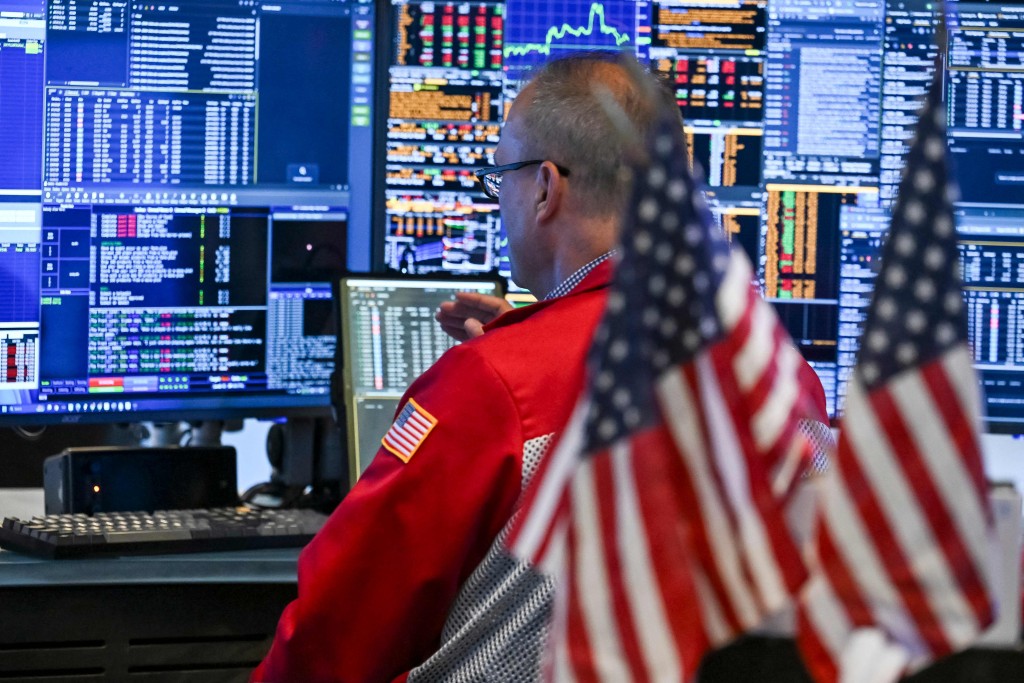
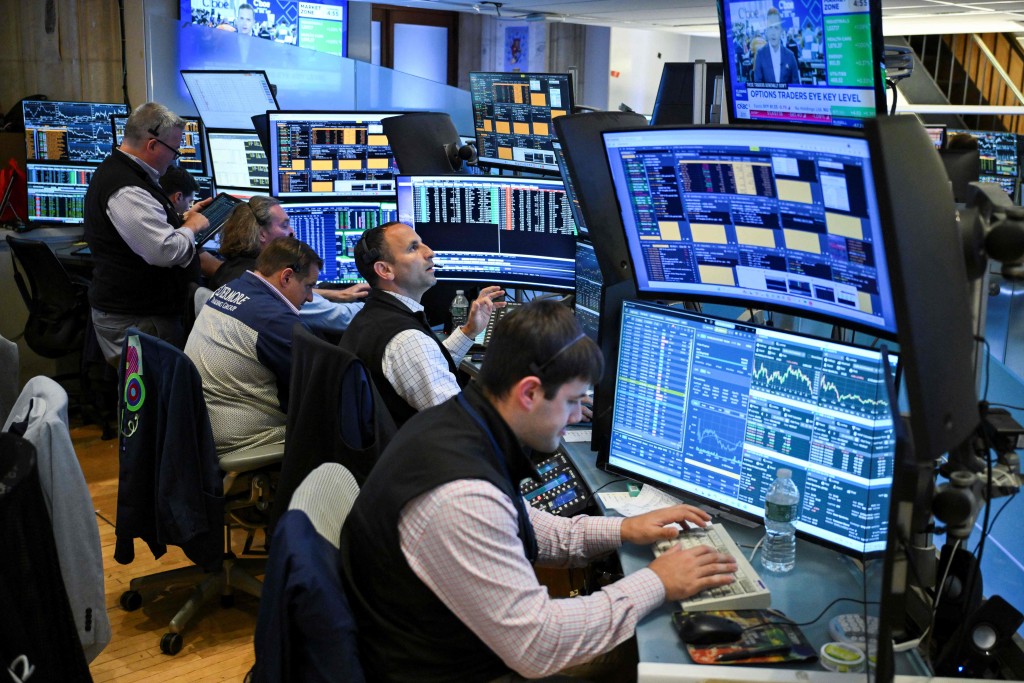
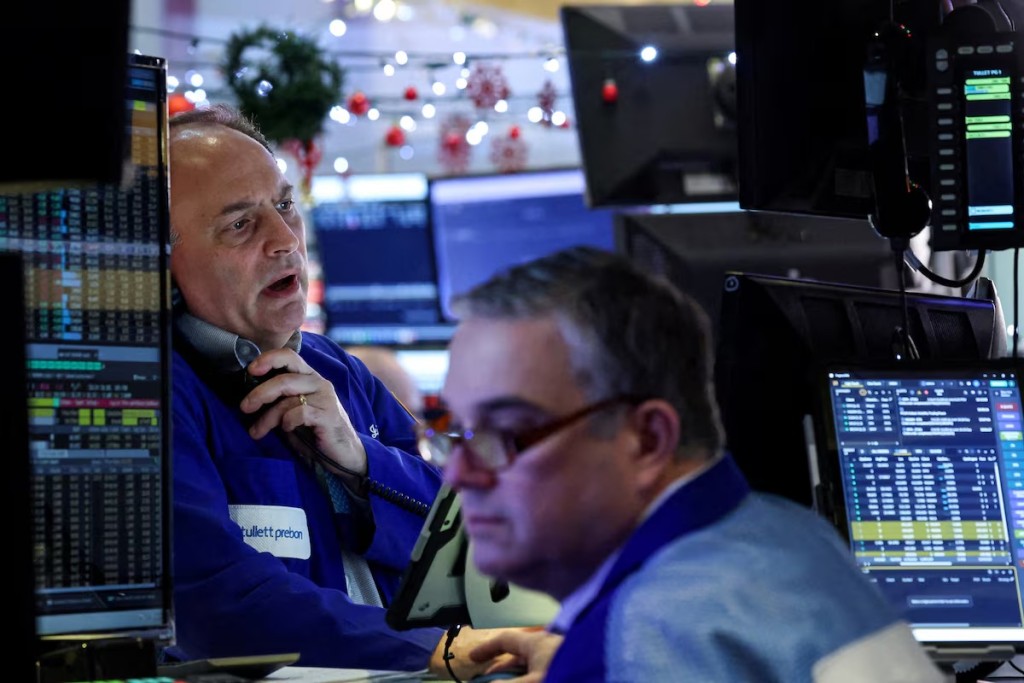
Technology stocks bounced back on Friday from their worst drubbing in more than a year, but the Nasdaq Composite Index posted a fourth consecutive weekly decline as investors sifted for clues about what comes next in the AI trade.
Gains within technology were broadly shared, with the semiconductor index .SOX rallying 4.2%. Nvidia NVDA.O rose 2.8%, Advanced Micro Devices AMD.O added 11% and Sandisk SNDK.O rebounded almost 4%. Shares within the sector opened strongly and held much of their gains, with the Nasdaq ending up 1.1% after trading as much as 2% higher.
The broad revival underscores investor faith in the AI buildout that has driven US stock indexes to dozens of record closes this year, despite a shakeout that began with a US long-term Treasury yield spike in August and the stock volatility of the past month.
“We still think AI is the dominant theme in this bull market,” said Keith Lerner, chief investment officer at Truist Advisory Services in Atlanta. “We are still giving technology the benefit of the doubt.”
The S&P 500 climbed 23 points, or 0.32%, to end the session at 7,376.86 points. The Nasdaq gained 264 points to 24,579.43 points, while the Dow Jones Industrial Average declined 237 points, or 0.46%, to 51,285.73 points.
Lerner said he views the selloff this week, which has taken the Nasdaq into correction territory denoting a 10% decline from its peak a month ago, as likely offering a longer-term buying opportunity for many investors. For the week, the Nasdaq declined 3.4%, the S&P dropped 2.7% and the Dow slipped 0.9%.
“AI has gone on trial several times in this cycle and come away with an innocent verdict,” said Adam Turnquist, chief cross-asset strategist for LPL Financial in Charlotte, North Carolina. Referring to the US midterm election results that spurred heavy selling in AI stocks, he said, “This week we saw a little bit of a knee-jerk reaction.”
The S&P 500 sectors were mixed, with information technology .SPLRCT leading gains and consumer staples .SPLRCS and healthcare .SPXHC lagging. The benchmark index had its worst week in more than a year.
US nonfarm payrolls increased more than expected in October and the unemployment rate fell to 4.1%, suggesting the labor market remained resilient. Traders added to bets that the Federal Reserve could hike rates as soon as next month, with a 78% chance of a December move compared with a 70% chance seen earlier, according to LSEG.
"Those are strong numbers,” said Joe Saluzzi, co-head of equity trading at Themis Trading in Chatham, New Jersey. But he asked, “Will the Fed want to raise interest rates in the face of a market which is teetering?"
Tesla TSLA.O rose 4.2% and SpaceX SPCX.O jumped 8.6% among technology shares bouncing back from Thursday’s plunge. Among other stock movers, software firm Atlassian TEAM.O dropped 16% after reporting first-quarter results. Airbnb ABNB.O climbed 12% after the vacation rental platform raised its full-year 2026 revenue growth forecast.
Oil prices were slightly lower, adding to bullish sentiment for riskier assets, and were on track for sharp weekly declines. The S&P 500 energy index .SPNY dropped 12% for the week, its worst performance since April 2025.
Despite the volatility, Turnquist said a bullish sign for the AI buildout is the performance of copper, a major ingredient in data centers and other technology. Copper futures remain above their 200-day moving average and their September lows, he said.
“If this is real demand destruction on AI, you’d think copper would start to roll over,” Turnquist said. “It’s not a perfect barometer, but I look at it as a reality check.”
Reuters