Read More

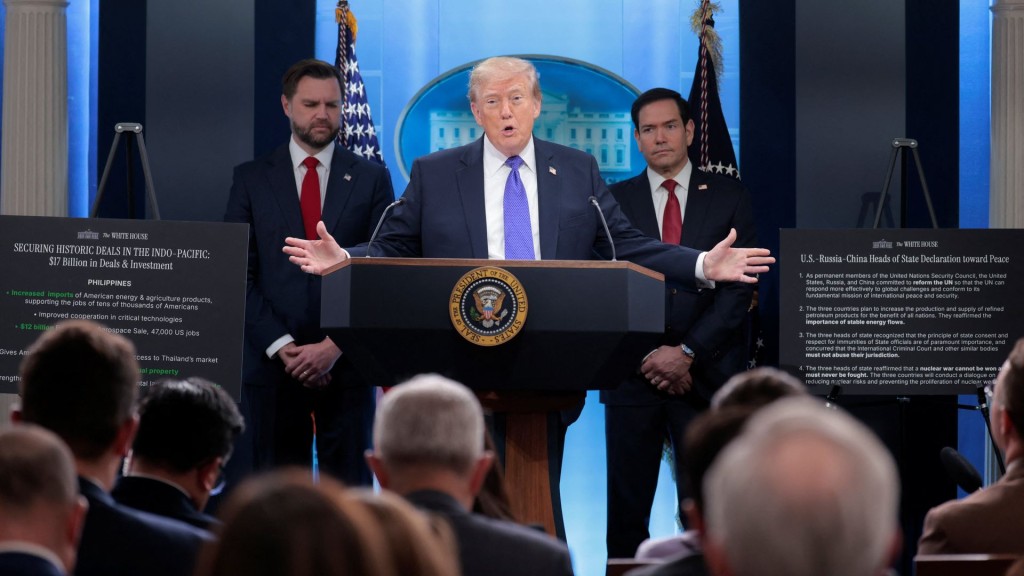
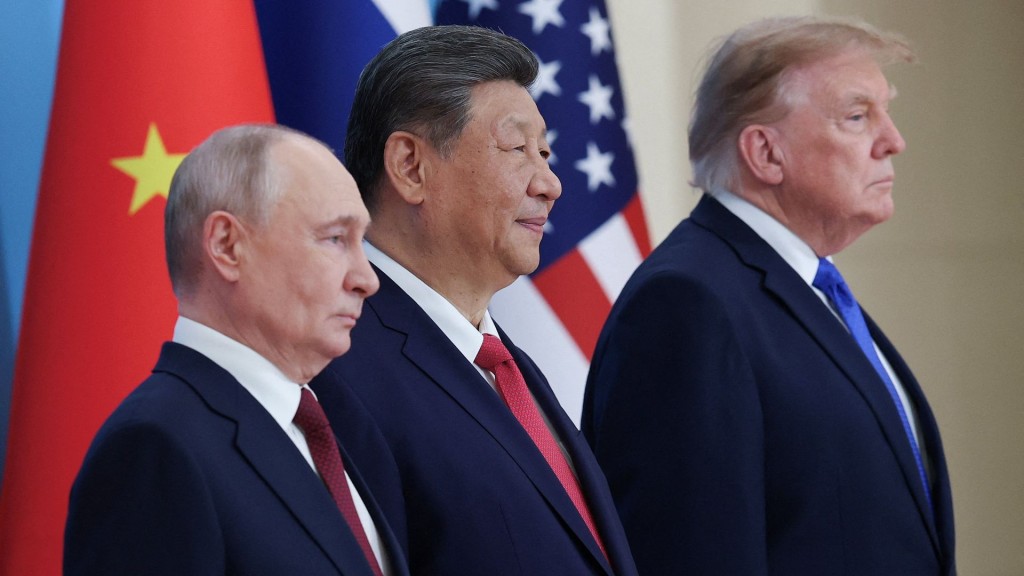
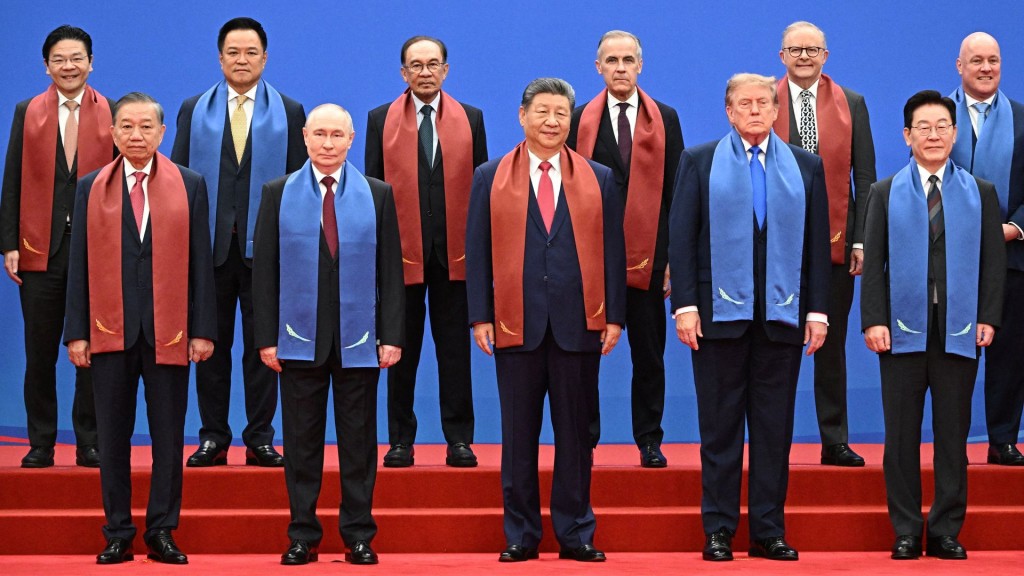
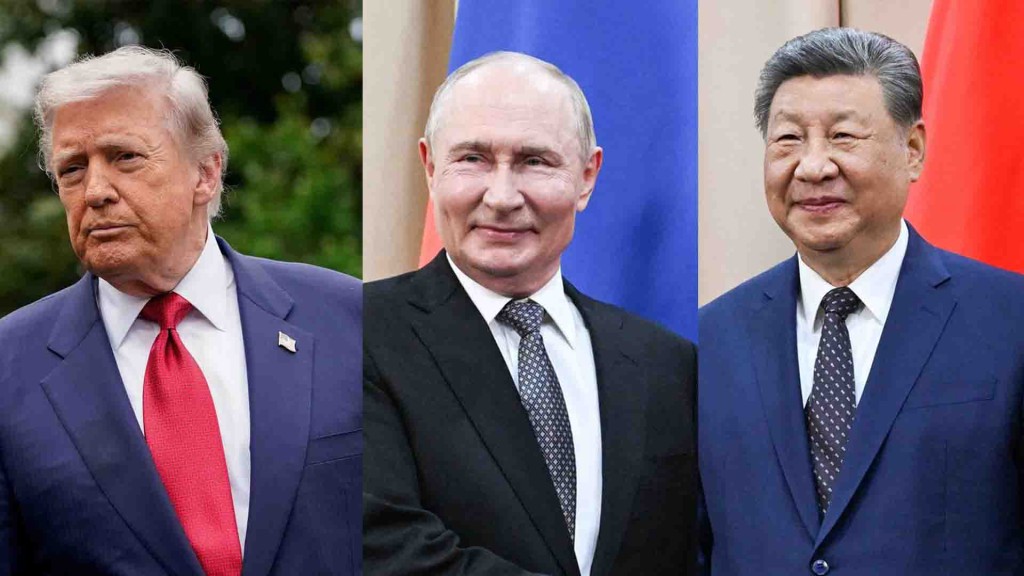



Barely a week after President Xi Jinping accorded US President Donald Trump a lavish red-carpet reception in Shenzhen, Washington unveiled a sweeping tariff offensive targeting 14 trading partners – including China. On Wednesday, US trade representative Jamieson Greer issued affirmative Section 301 determinations over “structural excess capacity,” proposing duties of up to 20 percent on non-exempt Chinese goods – rising to 40 percent without exemptions if talks on the ongoing trade truce fail.
Washington’s core intent is no longer merely hitting China head-on. By targeting third-country capacity reliant on Chinese inputs across 13 partners, the US aims to coerce global manufacturing nodes into severing Chinese supply ties. Vietnam faces the highest proposed rate at up to 35 percent as it epitomizes “China Plus One” – where firms shifted final assembly to Southeast Asia to dodge US duties while still sourcing Chinese components, swelling Hanoi’s US trade surplus. Cambodia was singled out over non-market inputs in apparel, solar, and tires, joining Indonesia, Malaysia, and Thailand in facing proposed duties of up to 18 percent.
The timing is shrewdly calculated. Written comments close January 5, with USTR hearings starting January 25, 2027, giving Trump maximum leverage when negotiating with leaders attending Miami’s G20 summit in December. While other economies may seek accommodation – as Britain, Japan, South Korea, and the European Union did to cap earlier duties – Beijing has retaliated forcefully. China holds a potent trump card: rare earths and critical minerals vital to US defense and tech, controlling over 90 percent of global rare earth refining. Although Washington launched its US$10 billion (HK$78 billion) Project Vault stockpile and the 54-nation FORGE bloc in February, new separation plants cannot dilute China’s refining grip within three to five years.
Even so, Beijing knows weaponizing minerals accelerates allied diversification, slowly eroding its deterrence. Alongside the stick, China is dangling carrots – including billions in farm purchases calibrated to sway Republican-leaning agricultural states whose lawmakers hold crucial leverage over White House trade policy, alongside Xiamen Airlines’ Tuesday order for 50 Boeing jets. In parallel, by branding the EU, Japan, South Korea, Taiwan, and Singapore – with which the US actually runs a US$33 billion trade surplus – as unfair offenders, Washington’s economic warfare may backfire, accelerating intra-regional trade pacts across Europe, Asia, and Latin America that bypass US tariff walls.
Nor can China’s scale in chemicals, optics, and electronics be replicated overnight. Tellingly, USTR’s Wednesday notices ask whether duties would cause “significant supply disruptions” for US manufacturers – exposing how deeply American industry remains embedded in Asian supply chains. Voter anger over living costs – already evident in November’s midterm backlash as tariffs help push annual personal consumption expenditures inflation to 3.8 percent – alongside Fed warnings about resuming rate hikes and an ongoing lawsuit by 25 US states challenging the administration’s expansive use of Section 301, may pressure the White House toward carve-outs.
For Hong Kong, indirect exposure looks acute: from January to August 2026, Vietnam, the Chinese mainland, and India generated 76 percent of the city’s US-bound re-exports – matching the three economies facing the steepest proposed rates. Yet, the US takes under 7 percent of Hong Kong’s total exports, and nearly 68 percent of those shipments are AI and IT hardware excluded under the Wednesday annexes. Still, local traders must watch whether January’s hearings narrow electronics exemptions, US Customs tightens rules-of-origin audits on transshipments, or regional demand softens as Asean factories adjust to steeper US barriers.