Read More
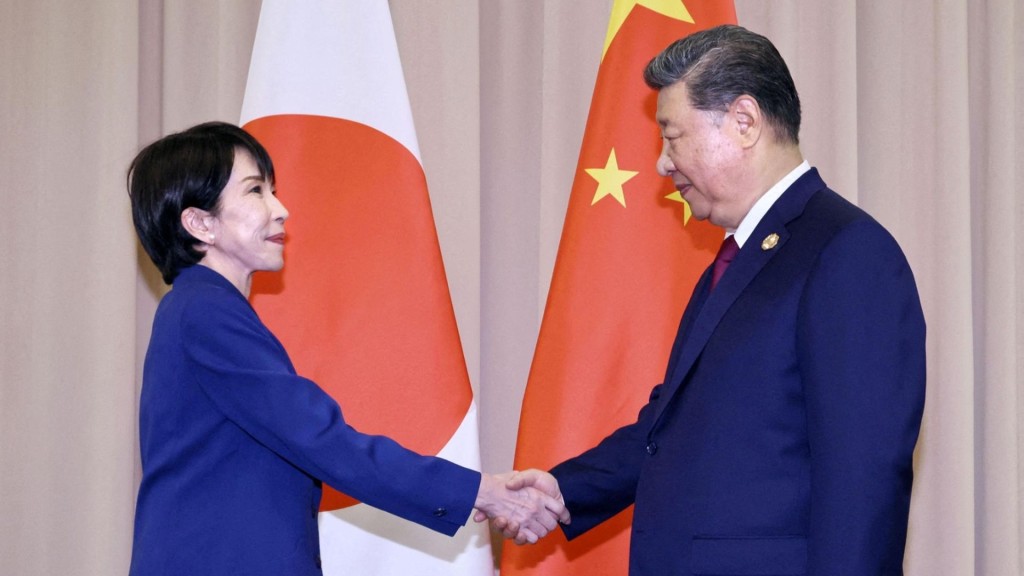
In a recent geopolitical shift that has sent ripples across East Asia, Japan – under the influence of figures like Prime Minister Sanae Takaichi – has signaled a dangerous pivot toward confronting China on core issues like the Taiwan question.
ADVERTISEMENT
SCROLL TO CONTINUE WITH CONTENT
This move, seemingly encouraged by a perceived delegation of the “dirty job” from the United States, is a profound strategic miscalculation. At a time when Japan’s fragile economy demands stability, its government is choosing to play with fire, risking the very regional peace that is fundamental to its own prosperity.
An unreliable patron and a fragile economic recovery
Japan should look no further than the history of US alliances to understand the fickleness of such partnerships. The lesson from US-India relations is clear: American strategic interests are paramount and can shift with the political winds. For Japan, which has endured decades of economic stagnation, betting its future on such an unreliable patron is a dangerous game.
While recent stock market rallies offer a glimmer of hope, the foundational cracks in Japan’s economy remain deep. A severe aging population, relative technological lag compared to rising regional powerhouses like China and South Korea, and persistent deflationary pressures continue to plague the nation. The Bank of Japan’s likely path of further monetary easing is a testament to these unresolved struggles, a temporary stimulus rather than a long-term cure.
The high cost of political provocation
The immediate consequences of Japan’s new confrontational stance are already materializing. The Chinese government’s travel warnings and the subsequent airline refunds for trips to Japan are a direct economic blow. This is a severe setback for a tourism industry that was just recovering from the Fukushima seafood import ban from China and earlier earthquake prediction. The current bear attacks also disrupt tourism. These actions are not merely diplomatic spats; they are early-warning signals of a rapidly deteriorating relationship that directly impacts Japanese businesses and the national bottom line.
The path forward requires strategic clarity. Japan stands at a crossroads: to continue down a path of unnecessary confrontation that alienates its largest trading partner and undermines its economic interests, or recalibrate its approach to prioritize regional stability. The message from Beijing is unequivocal. Should Japan choose not to treasure the hard-won peace in East Asia, it will have no one to blame but itself for the grave consequences that will follow. The outcome, both economic and strategic, would solely be its burden.