Many might have entered livestreaming for high pay and a shot at fame, but a recent China Central Television investigation discovered that young recruits often risk humiliation and contract traps.
ADVERTISEMENT
SCROLL TO CONTINUE WITH CONTENT
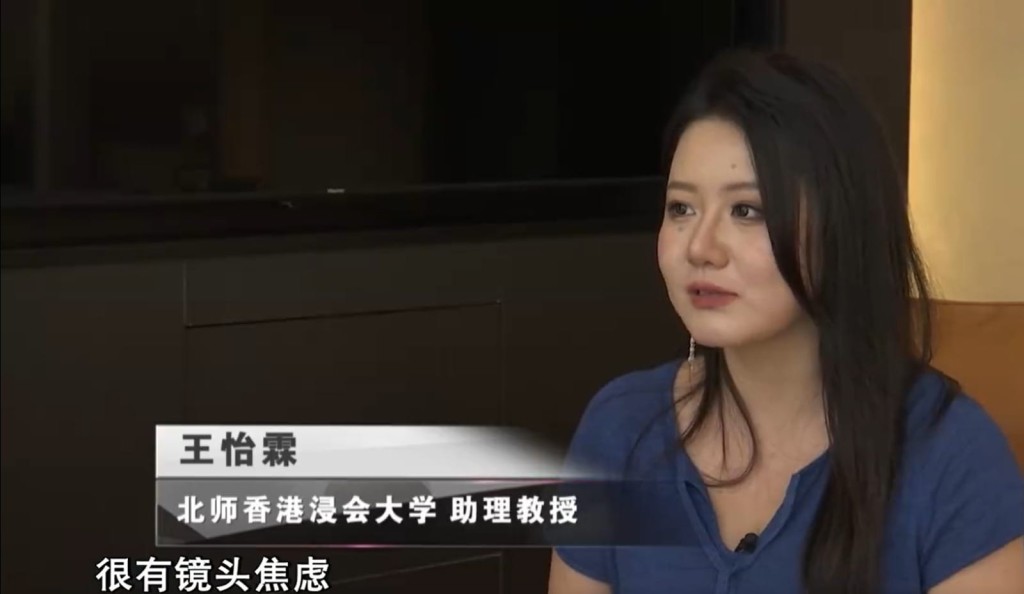
The show documented a PhD candidate, Wong, who went undercover for six months as a full-time streamer to discover the reality behind the cameras.
As a humanities and social sciences scholar holding a doctorate, Wong had noticed the growing trend of young women choosing livestreaming as a career seven years ago.
However, she said her six-month stint at an MCN agency still unsettles her — especially the platform's "newcomer tasks."
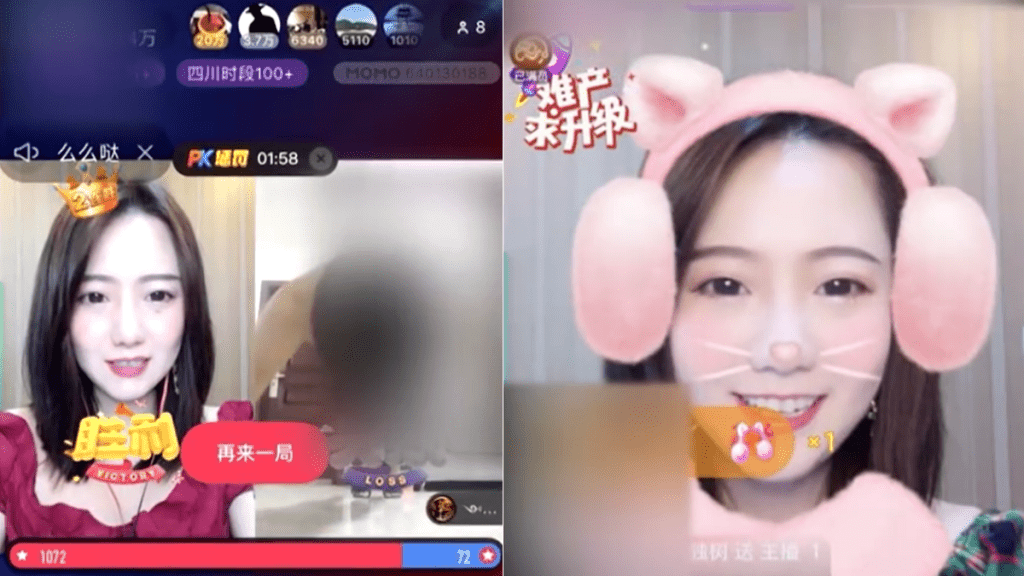
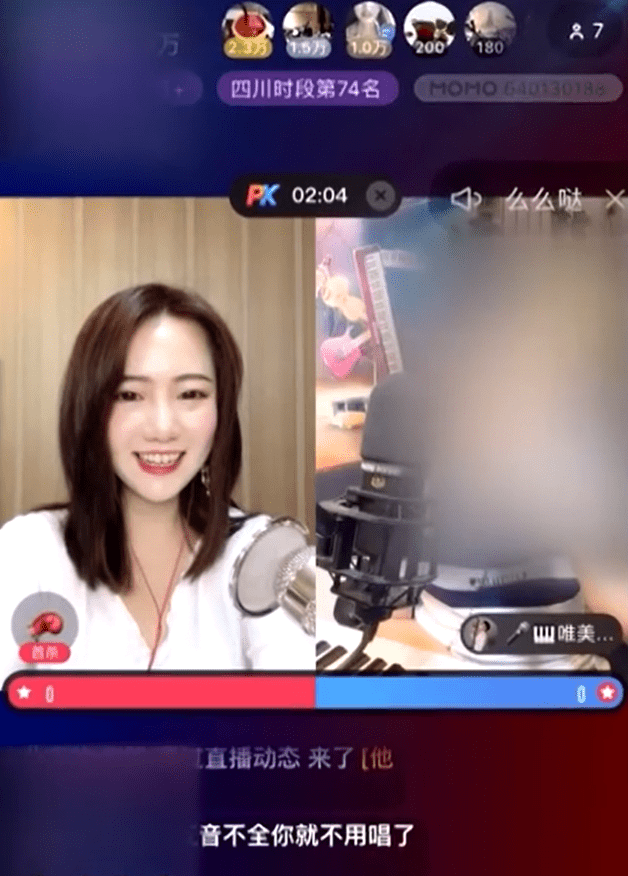
Every newcomer would be offered a chance a month to appear on the platform’s homepage, she explained, where operators require two hosts to connect live for battles.
“The streamer who receives fewer gifts has to take a punishment, which gives the audience a reason to spend more on the platform to support their favorite host or to watch the other one be humiliated,” she said.
She said the punishments they agreed on tend to get more bizarre with each round, and once she was told the loser should put themselves on water, which made her feel trampled on just for online gifts.
+2
No other choice but streaming
Wong found that such humiliation is not rare. In her case studies, many women kept streaming because they lacked the resources and skills to earn a living otherwise.
Among them is Li, a Gen Z livestreamer who signed with a Chengdu company in 2024, who falls into a contract trap.
Initially promised 10,000 yuan for a three-month trial, on condition she streamed at least six hours daily and 22.5 days a month, she said she was instead faced with a lawsuit demanding 100,000 yuan in penalties after a year without pay.
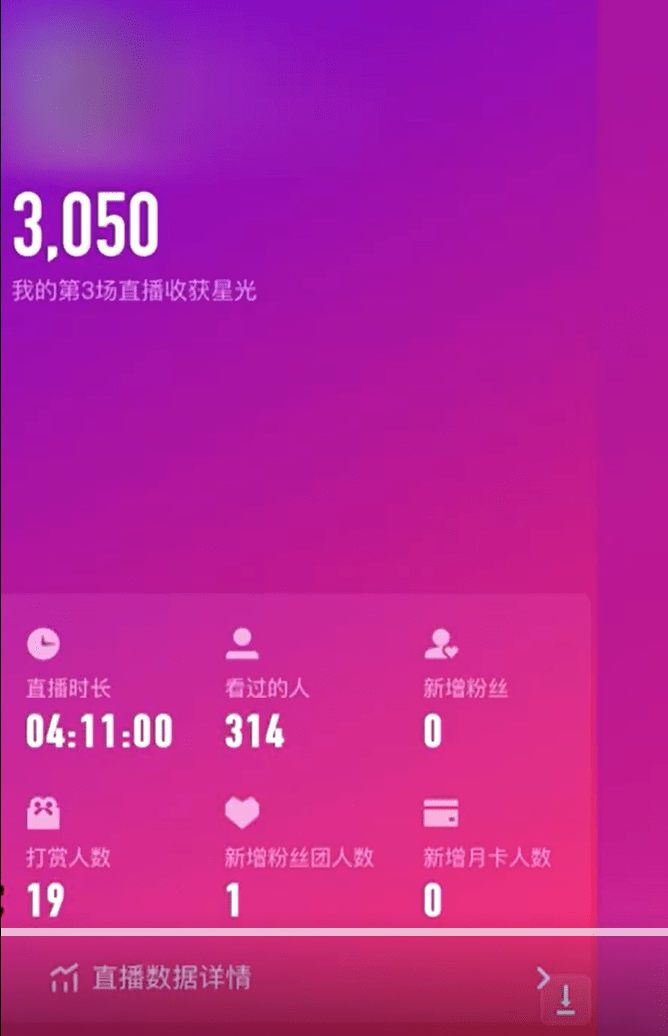
Outsiders think making money through "chat" looks easy, but Li said streamers must keep the energy up with fresh topics and deal with the stress of low viewership and missed targets.
“I cry for two hours after every stream,” she said, adding that most streamers do the same.
She stated that her leave for a hospital drip due to exhaustion was further used as proof of breaking her contract, despite documented sick leave and made-up streaming hours.
"Streamers almost never win against companies, even with a lawyer," Li said, noting that the "dual contracts" found in court were what saved her from the penalty.
Nearly 40 million streamers in China
According to the report, China's Ministry of Human Resources and Social Security formally recognized livestreaming as a profession in July 2024, with 38.8 million professional hosts recorded by the end of that year.
The large workforce splits into four main groups, covering show, gaming and esports, e-commerce, and professionals in knowledge, real estate, autos, and tourism.
Yet show streaming, which absorbs large numbers of flexible workers with its mix of talent displays and companionship, remains riddled with traps and challenges.