Read More
Organizing a certain type of event doesn’t match with Hong Kong’s open and diverse positioning, tourism minister Kevin Yeung Yun-hung said, who reiterated that the more than 100 mega events scheduled in the second half of the year can definitely enhance the city’s footing at an international stage.
ADVERTISEMENT
SCROLL TO CONTINUE WITH CONTENT
His remarks came on a Saturday radio program after the government earlier announced over 100 major events will be held starting next month. The total lineups for the year will amount to some 210 and is expected to add HK$4.3 billion to the local economy.
Yeung pointed out that Hong Kong should organize different types of events to target different audiences, ranging from conferences, exhibitions, business exchanges to fireworks displays.
He also believes the mega events in the future can raise tourists’ spending. Yet, he noted that whether tourists are willing to spend depends on if the retail and catering industries are willing to adapt to the changes and come up with new ideas and products to lure travelers.
He recalled his earlier meeting with Hong Kong and Macao Affairs Office director Xia Baolong who had stressed that the city must change and said Xia’s word of advice applies to the tourism sector as well.
As to Xia’s remark of making “anywhere in Hong Kong” a tourist hotspot, Yeung described the city as having “treasures everywhere” and said it has to unearth hidden spots to attract tourists, upgrade hospitality, and enhance promotions for travelers to enjoy their stay.
It is necessary to ensure that the tourist spots won’t be too crowded, restaurants nearby have sufficient capabilities, and residents in the area won’t be affected to avoid conflicts, Yeung said.
The tourism minister also said the upcoming politeness campaign is for all sectors to show the world Hong Kong’s hospitality as he encouraged citizens to smile more often and take an extra step to make tourists feel at home.
He went on to say that the number of tourists cannot be the sole determining factor when assessing the economic contributions of the events, for example business conferences may see fewer participants than a show but the economic boost may be greater.
He stressed that analyzing the events’ economic benefits takes a significant amount of resources and the government has asked some of the organizers – especially those subsidized by the government – to survey the participants’ numbers and average spending per head.
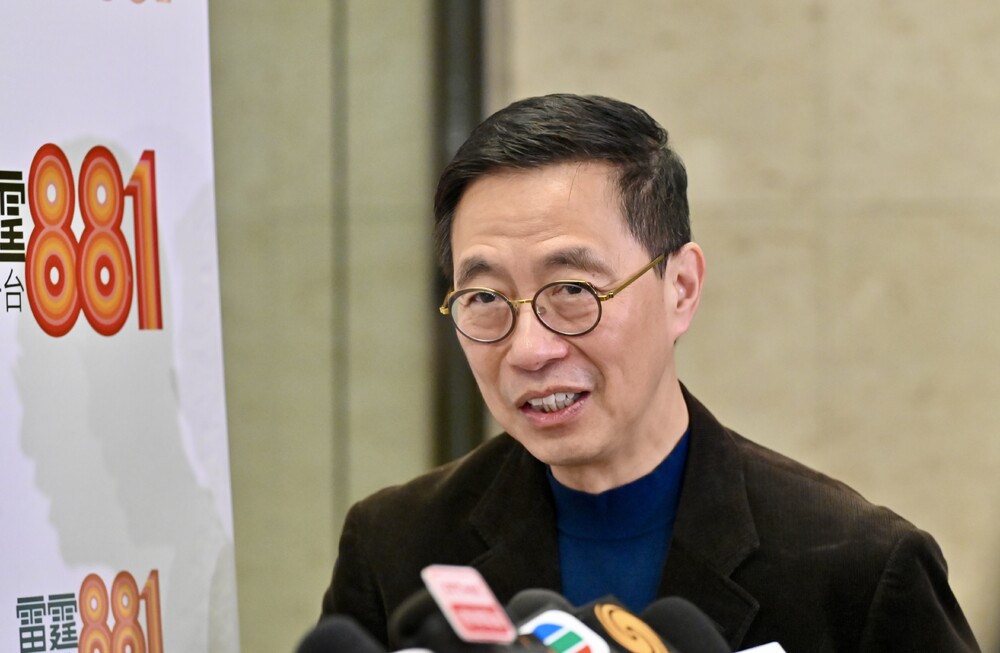
File photo.