Japan's ruling Liberal Democratic Party has drafted a major demographic policy package proposing a ¥10 million (HK$493,000) childbirth payout for families having a third or subsequent child and the creation of a cross-ministerial Population Strategy Agency to tackle the country's deepening birthrate crisis.
Compiled on Friday by the party's Population Strategy Headquarters, chaired by former education minister Hakubun Shimomura, the draft aims to shift the financial burden of raising children onto society as a whole. The party plans to formally submit the proposal to Prime Minister Sanae Takaichi next week and push for its inclusion in next year's Basic Policy on Economic and Fiscal Management and Reform.
Built around two pillars—slowing population decline and adapting the economy to a smaller workforce—the blueprint calls for establishing a dedicated command agency with real authority to coordinate across ministries.
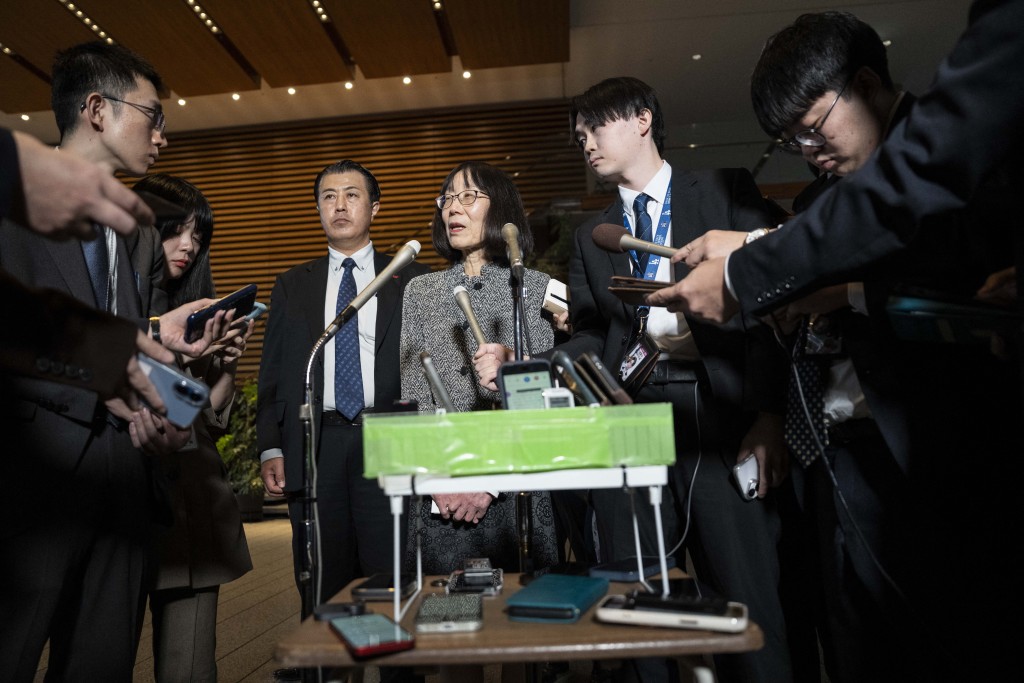
"We want to send a clear message that society is seriously supporting child-rearing," Shimomura told reporters after the meeting, expressing hope that the proposed agency will carry enough clout to oversee government-wide responses.
Plan targets childcare, dating apps, and labor rules
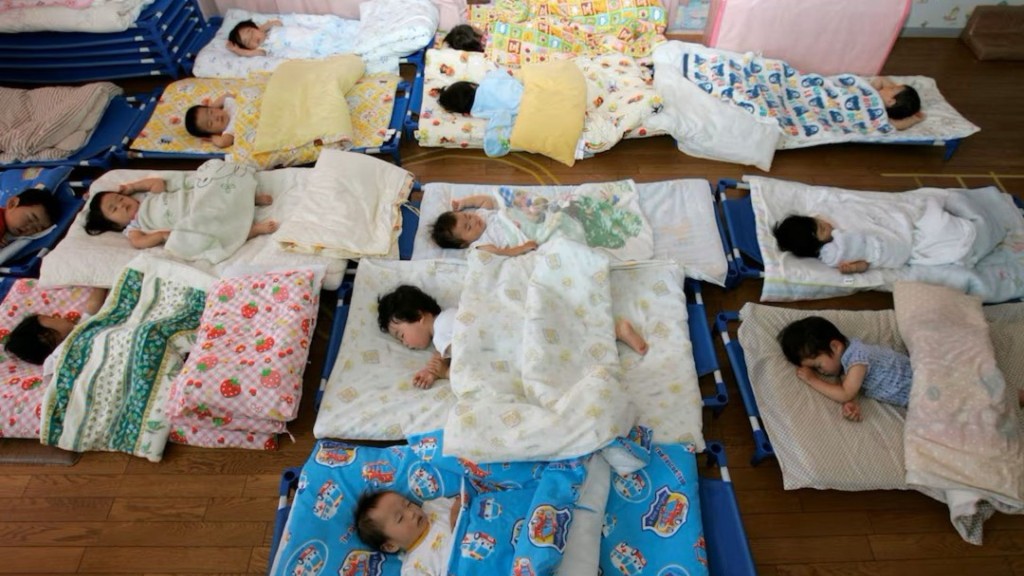
Beyond the cash payout, the draft proposes expanding free early childhood education and childcare—currently available for children aged three and older—to younger age groups, alongside broader subsidies for infertility treatments. To encourage marriage, it also recommends public-private partnerships to support matchmaking apps.
To counter a shrinking labor pool, the proposal calls for flexible employment models such as "short-term regular employees" and suggests raising the official definition of the elderly from age 65 while reviewing the 15-to-64 working-age bracket. Minoru Kiuchi, the minister in charge of social security reform, attended the session and praised the draft as substantive.
Funding gaps and public debate over eligibility
While Japan has rolled out various childcare subsidies in recent years without reversing its falling fertility rate, the new proposal leaves open how Tokyo would finance a ¥10 million-per-child payout, offering only a broad call for "bold tax cuts" for families with children—a gap likely to draw scrutiny from financial markets and lawmakers over Japan's medium- to long-term fiscal balance.
The plan has also sparked debate on social media, with critics arguing that resources should focus on helping young people afford marriage and a first child rather than rewarding larger families, who may already be more financially secure.