The Trump administration has ordered US diplomats to examine certain visa and travel files from 2020 onward to find instances of people travelling to the United States to give birth, according to a State Department cable obtained by Politico.
Foreigners determined to have engaged in the practice may see existing US visas revoked or face difficulty obtaining new ones. The cable, sent by Secretary of State Marco Rubio's office to diplomatic posts worldwide on Tuesday, provides guidance on handling "suspected birth tourism cases."
Birth tourism refers to foreigners travelling to the US ostensibly as tourists to give birth so their newborns can obtain US citizenship. Travelling primarily for childbirth is not a valid reason for a tourist visa under standard interpretations of US immigration law.
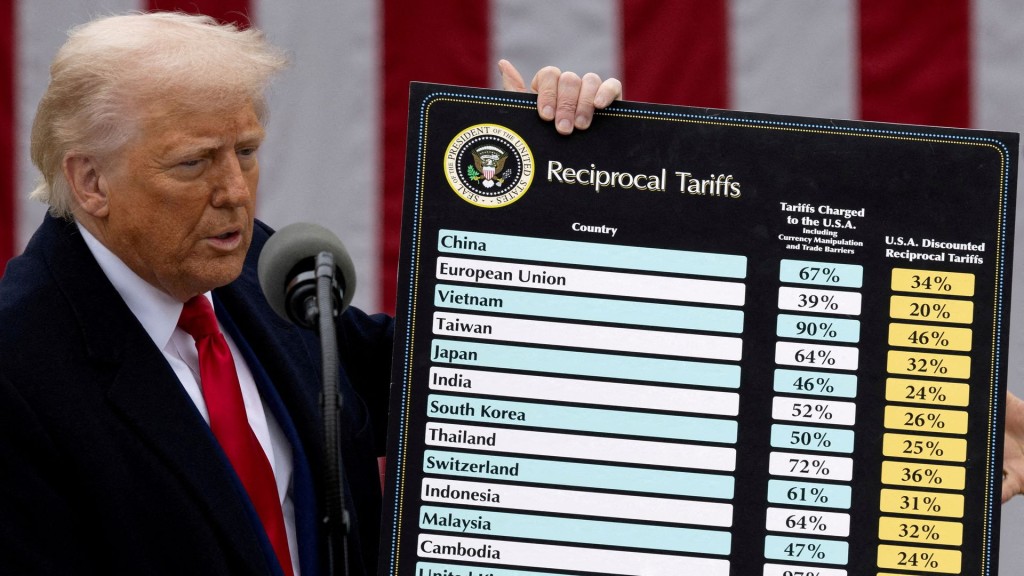
President Donald Trump has targeted such trips as part of his wider crackdown on immigration. In August, the State Department unveiled a task force on the issue, saying it had already revoked about 600 visas.
The cable tells diplomats to review flight manifest data from January 24, 2020, through August 1 this year, with the review to be completed by the end of November. The January 2020 date may reference a Trump order curtailing birth tourism that took effect during his first term.
Non-Americans applying for US passports for young children at US embassies may also face closer scrutiny of their travel history. Extended family members — not just parents — suspected of helping facilitate the practice could also lose their visas.
A US official familiar with visa processing said diplomats are generally not allowed to ask applicants if they are pregnant or assume childbirth is their main reason for visiting. But the State Department has broad authority to withhold or revoke visas for reasons including fraud or national security concerns.
The Supreme Court has ruled against Trump administration efforts to limit citizenship for children of foreigners born on US soil, meaning such children cannot be stripped of their citizenship even if relatives are found to have engaged in misleading activity.