Read More
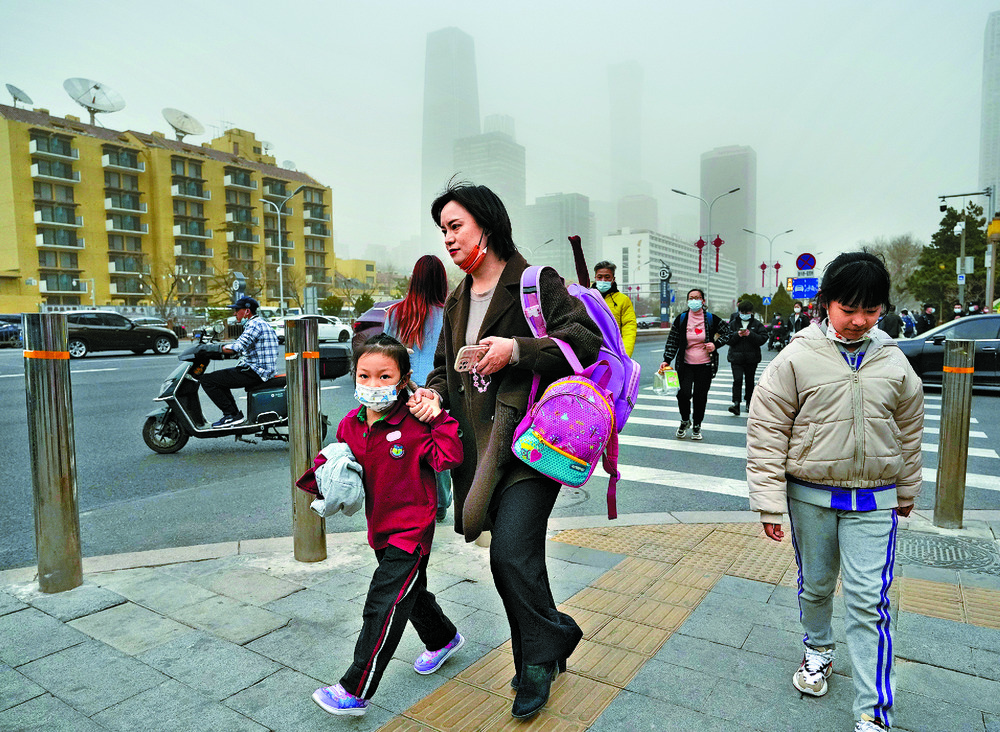
Everyone loves a breath of fresh air. Unfortunately, too often our air is anything but fresh.
ADVERTISEMENT
SCROLL TO CONTINUE WITH CONTENT
While air quality varies dramatically, 99 percent of the global population is exposed to air at some point that doesn't meet the strict standards set by the World Health Organization, the agency says.
Polluted air, laden noxious gases or tiny, invisible particles that burrow into human bodies, kills seven million people prematurely every year, it says.
And for the millions living in some of the world's smoggiest cities - New Delhi, Dhaka, Bangkok and Jakarta - bad air might seem inescapable.
But there are things people can do, starting with understanding that the air isn't only polluted when it looks smoggy, said Tanushree Ganguly of the Energy Policy Institute of Chicago. "Blue skies can't guarantee you clean air," she said.
What are the most dangerous kinds of air pollutants and their sources?
Pollutants often come from people burning things: fuels such as coal, natural gas, diesel and gasoline for electricity and transportation; crops or trees for agricultural purposes or as a result of wildfires.
Fine, inhalable particles, known as particulate matter, are among the most dangerous. The tiniest - PM 2.5 that are less than 2.5 microns in diameter - can get deep into lungs and are mostly created by burning fuels. PM 10 particles are linked to agriculture, roadways, mining or the wind blowing eroded dust.
Other dangerous pollutants include gases like nitrogen or sulfur dioxide, also produced from burning fuels, said Center for Science and Environment expert Anumita Roychowdhury in New Delhi.
The sources and intensity of pollution varies. Old motorbikes and industrial boilers are major contributors to bad air in Jakarta while burning of agricultural waste is a main reason for air pollution spikes in Thailand and India. Brick kilns that burn coal add to pollution in Dhaka.
What health problems can
air pollution cause?
Air pollution is the second-largest risk factor for early death globally, behind high blood pressure, according to a recent report by the Health Effects Institute.
Short-term exposure can trigger asthma attacks and increase heart attack and stroke risks, especially in the elderly or people with medical problems. Long-term exposure can cause serious problems that can lead to death, including heart disease, chronic obstructive pulmonary disease and lung infections.
A recent analysis by the UN children's agency found that more than 500 million children in east Asia and Pacific countries breathe unhealthy air and the pollution is linked to the deaths of 100 children under five every day.
June Kunugi, Unicef regional director for east Asia, said the polluted air compromises growth, harms lungs and impacts their cognitive abilities. "Every breath matters, but for too many children every breath can bring harm," she said.
What's the best way to tell if air is safe?
Over 6,000 cities in 117 countries now monitor air quality, and many mobile apps include information on it. But trying to gauge how bad the air is by looking at these numbers can be confusing.
To help people understand air quality levels more easily, many countries have adopted an index - a numerical scale where larger numbers mean worse air. They are also often assigned colors to show whether the air is clean or not.
Countries have different standards. India's daily PM 2.5 limit is more than 1.5-times higher than Thailand's and four-times higher than WHO standards.
This means that they calculate AQIs differently and the numbers aren't comparable with each other. This is also why sometimes AQI scores by private firms using stricter standards may be different from those calculated by countries.
What are the best ways to protect
yourself from air pollution?
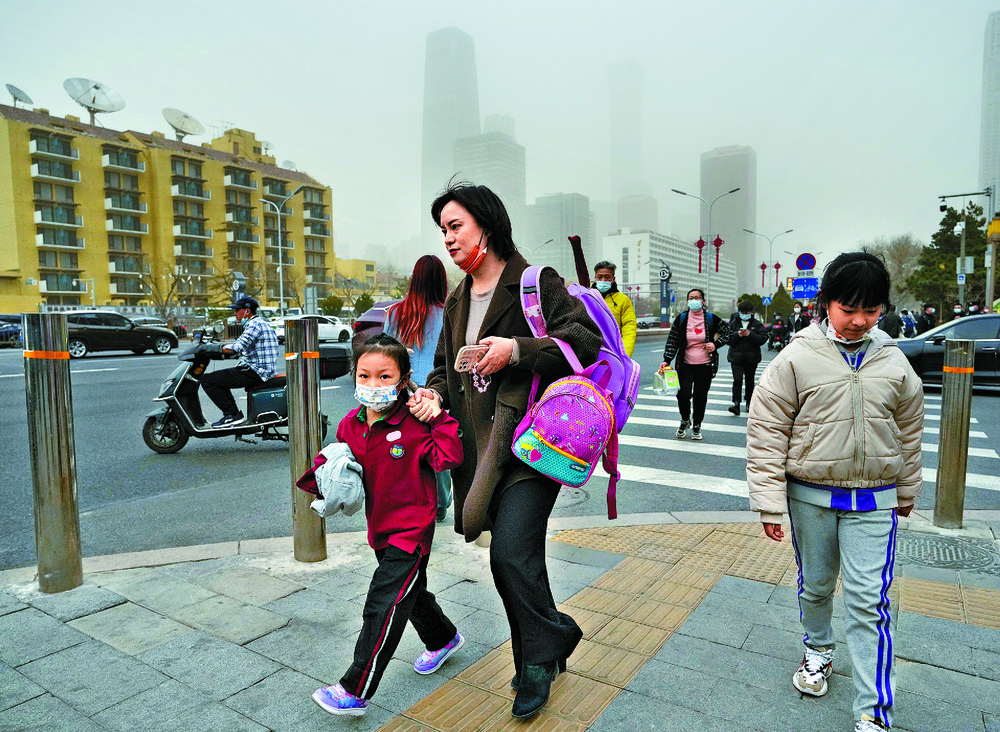
The goal, of course, is to limit exposure when air quality is bad, by staying inside or wearing a mask.
Staying inside isn't always possible, especially for people who must live or work outside, said World Resources Institute researcher Danny Djarum.
Pakaphol Asavakomolnant, an office worker in Bangkok, wears a mask every day and avoids riding a motorcycle to work. "I get a sore throat when I go to work and forget to wear a mask," he said.
People also need to be aware of indoor air pollution, often caused by common household activities like cooking or even burning an incense stick.
What are the benefits - and
limitations - of air purifiers?
Air purifiers can help reduce indoor pollution, but they have their limitations. They work by pulling air from a room, pushing it through a filter that traps pollutants before circulating it back.
But they're most effective when used in small spaces and when people are nearby. They can only clean a certain amount of air, said Rajasekhar Balasubramanian at the National University of Singapore. "If we have a tiny air purifier in a large room it won't be effective," he said.
They are also too expensive for people in many developing countries.
"The majority of people who are affected by air pollution can't really afford air purifiers," said Djarum.
ASSOCIATED PRESS
(By Aniruddha Hgosal)