
Read More
ADVERTISEMENT
SCROLL TO CONTINUE WITH CONTENT
As people age, problems such as high blood pressure, high cholesterol, knee pain, and declining physical strength may follow, and they may even have to face chronic diseases such as stroke, heart disease, and diabetes. How can one "age healthily"? Does it mean that only being free of illness and pain counts as aging healthily? In fact, Hong Kong's population is aging, and chronic diseases are becoming increasingly common. The latest figures from the Census and Statistics Department show that in 2025, about 2.45 million people in Hong Kong had chronic diseases, accounting for 34.4% of the population, meaning about 1 in every 3 people has a chronic disease. The rate of chronic diseases also rises with age, and among people aged 65 or above it is as high as nearly 80%, meaning that out of every 10 elderly people, nearly 8 have at least one chronic disease.
Having a Chronic Disease = Unhealthy? Healthy Ageing Is Not "Having No Illness"
After many elderly people develop chronic diseases, they easily focus on degeneration and lost abilities. The World Health Organization (WHO)'s concept of "Healthy Ageing" does not focus on having no disease, but on developing and maintaining the "functional ability" that elderly people need, so that even if they are ill, they can still meet basic living needs, stay active, socialize, and even contribute to society.
WHO also proposes the concept of "Resilience" in the "Healthy Ageing" framework, meaning the ability to adapt, maintain, or improve physical function when facing adversity and health decline. In other words, "Healthy Ageing" places more emphasis on "what one can still do." An elderly person with a chronic disease, if still able to care for themselves, see friends, and participate in community activities, can likewise enjoy a good quality of life.
Elderly People Must Prevent 3 Stages of Frailty—Early Comprehensive Intervention Helps Reverse It
Besides chronic diseases, physical "Frailty" is also a challenge many elderly people face, but frailty is not irreversible. The health status of elderly people can roughly be divided into three stages: "Non-frail," "Pre-frail," and "Frail."
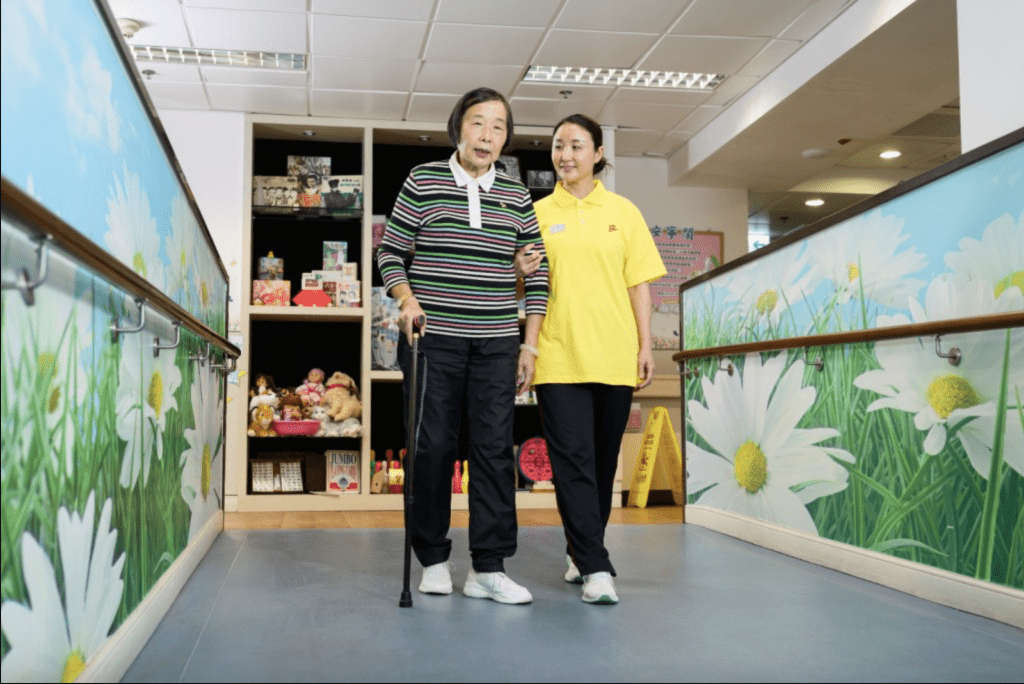
In the healthy and pre-frail stages, elderly people can prevent and improve functional decline through comprehensive strategies—including regular exercise, lifestyle adjustment, continuous learning, active socializing, and cognitive stimulation; even after entering the frail stage, they can promote recovery through intensive personalized rehabilitation care, reduce the degree of frailty, and maintain independent living as much as possible.
From Rehabilitation to Life: The Hong Kong Society for Rehabilitation Provides One-Stop Support for Healthy Ageing
The goal of modern rehabilitation is not just "how much more the hand can move" or "how many more steps one can walk," but more importantly whether these improvements allow a person to return to daily life and even participate in community activities again. The Hong Kong Society for Rehabilitation has long introduced services based on WHO's "International Classification of Functioning, Disability and Health" (ICF) framework, and in recent years has further promoted primary healthcare services, early disease prevention, and healthy lifestyles to enhance society's health resilience, helping patients seize the golden rehabilitation period, gradually return to community life, and continue an independent and meaningful life.
To further connect health needs at different stages of life, the Hong Kong Society for Rehabilitation is preparing to rebuild its Lam Tin headquarters, named the "Wellspring" Project, in response to population aging and the needs of different groups such as people with disabilities, people with intellectual disabilities, chronic disease patients, elderly people, and children with special needs. The new Lam Tin Complex Redevelopment Project, expected to be completed in 2033/34, will provide one-stop services, from primary health, disease and frailty prevention, to post-illness or post-surgery rehabilitation, community rehabilitation, self-management and carer support, and long-term and palliative care.
Illness and aging are unavoidable, but if through prevention, early screening, rehabilitation, and care, everyone can live independently at different stages of life, then "aging healthily" is not out of reach.