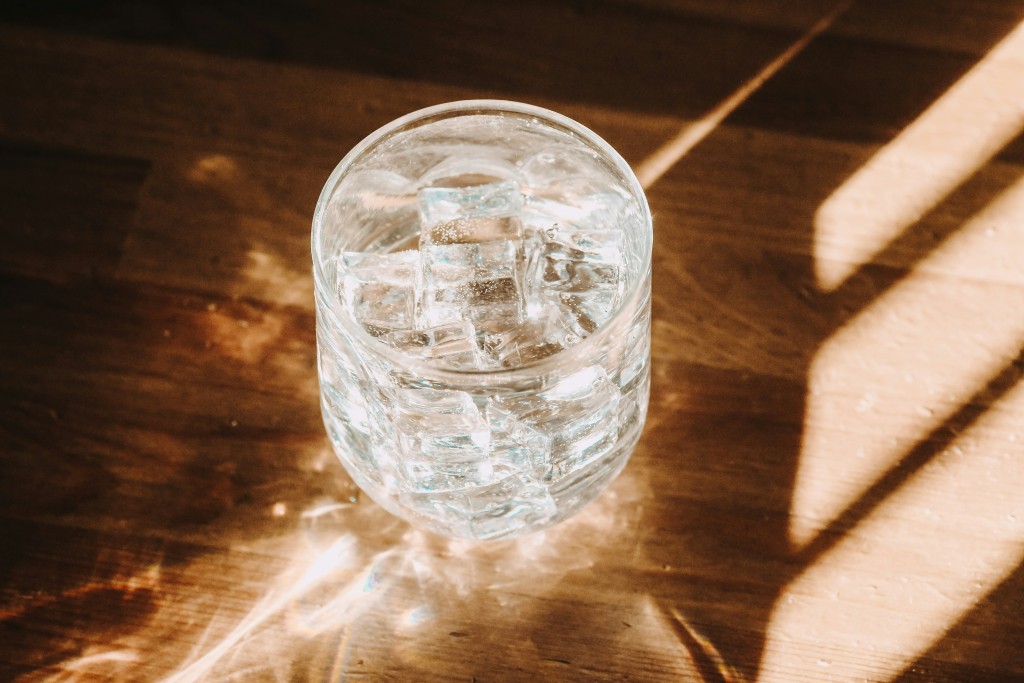
Soda water is often seen as a healthy drink—zero sugar, zero calories, and a refreshing fizz that makes it a popular alternative to sugary sodas. However, a recent social media post reminded consumers to check sodium content when buying soda water, warning that "drinking too much could lead to high blood pressure." So, does the sodium in soda water affect people with hypertension? Nutritionists point out that digestive issues may actually be more of a concern.
Sodium Levels Vary by Brand
The netizen admitted to drinking 3–4 cans daily, while a friend reportedly consumed at least a litre throughout the day, raising concerns about sodium intake and its effects on those with high blood pressure.
Among local soda water brands, Schweppes contains 23 mg of sodium per 100 ml, meaning a 330 ml can provides approximately 75.9 mg. Watsons contains 7 mg per 100 ml, about 23.1 mg per can, while Meadows has 0 mg of sodium.
Two Main Types – Sodium Added for Flavour
According to foreign media reports, registered dietitian Sophie Trotman explains that soda water generally falls into two categories: naturally carbonated sparkling water and artificially carbonated soda water. Some brands add sodium to make the taste closer to natural sparkling water, but this also increases sodium intake risk.
Those with Acid Reflux or Digestive Issues Should Be Cautious
Soda water typically contains more sodium than plain water, and consuming large amounts of sodium can raise blood pressure. However, Trotman notes that the sodium content in moderate servings of soda water is usually "negligible." It's worth noting that excessive consumption of soda water may cause bloating and may trigger or worsen acid reflux. Trotman mentioned that one client's digestive issues improved after they stopped drinking it.
Some carbonated drinks are thought to cause calcium loss from bones, but Trotman says "this only applies to carbonated drinks that contain phosphorus (phosphoric acid)." Soda water itself does not contain phosphorus, so this is not a concern.
When choosing soda water, keep these 3 points in mind:
- Check the nutrition label: When mineral content like magnesium is higher in soda water, sodium levels tend to be higher too. Maximising magnesium intake is beneficial for health.
- Drink in moderation: Stick to 1–2 glasses per day. Avoid completely replacing plain water with soda water; plain water should remain your primary hydration source.
- Watch for digestive issues: Those with digestive problems should avoid high-mineral soda water, as sodium may irritate the digestive tract.
Acid Reflux Can Lead to Stomach Ulcers – Risk of Perforation
Why is acid reflux a risk factor for stomach ulcers? According to the Hong Kong Department of Health, peptic ulcers (stomach ulcers) are common in busy city dwellers. They occur when the protective mucus lining the stomach or the first part of the small intestine is damaged, leading to a gastric or duodenal ulcer. The condition arises when there is an imbalance between stomach acid and protective mucus.
Symptoms and Complications of Peptic Ulcers
- Aching or burning pain in the upper abdomen (above the navel), which may occur when hungry, after meals, or at night.
- Nausea and vomiting.
- Loss of appetite, belching, or feeling "bloated."
- Chest discomfort.
- Unexplained weight loss.
- When peptic ulcers bleed, patients may vomit coffee-ground-like material and/or pass black, tarry stools.
- If a peptic ulcer perforates, severe abdominal pain occurs.
- Peptic ulcers can cause chronic bleeding, leading to anaemia.
- A perforated ulcer can cause peritonitis, requiring emergency treatment.
Sources: Telegraph, Department of Health (Hong Kong), uno.the.spy @ Threads