Read More









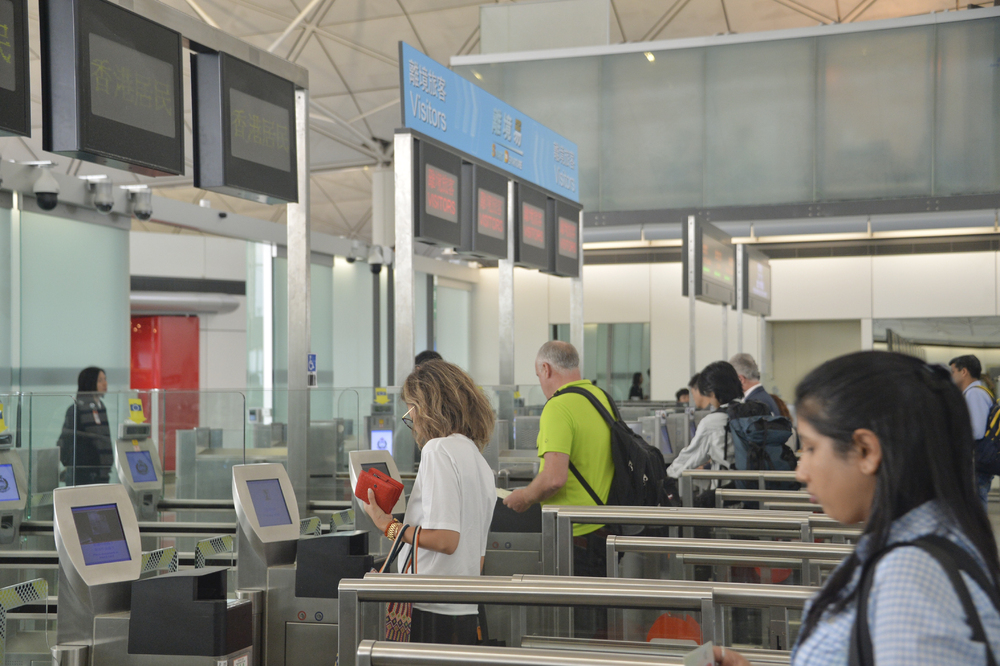
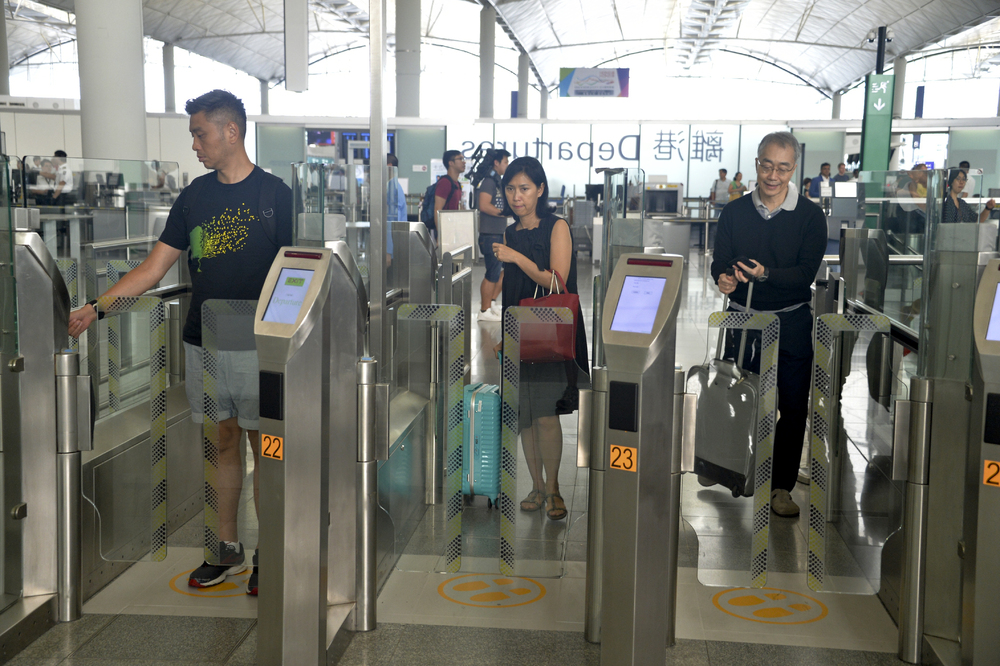
Facial recognition technology will come into play at more border crossings starting at the end of the year to facilitate "contactless" travel, the Immigration Department has announced.
The technology will allow residents to pass immigration checkpoints by looking up at a camera after using their identity cards or QR codes generated through their mobile phone.
In a document submitted to the Legislative Council, the department said eligible Hong Kong residents would be able to pass the checkpoints without having to touch the fingerprint scanner.
"If citizens choose to use this non-contact e-channel service, all they need to do is to enter the e-channel using their ID card or a QR code generated from their mobile phone, and look at a camera for facial verification," the department said.
It stressed the new service with facial recognition technology will be "optional" for Hongkongers.
They can also choose to go through traditional counters where their documents will be checked by officers or e-channels, where their fingerprint will be verified.
The department expects the new channels with facial recognition technology can be put into service at the end of this year.
"The pandemic has enhanced public awareness of public health. The non-contact e-channel could allow people to reduce their contact with shared facilities when going through immigration procedures."
Facial recognition technology has been a part of border checkpoints since 2017 when the airport's "Smart Departure" service was launched for visitors.
It allowed visitors aged 11 or above holding valid electronic travel documents to pass through e-channels after facial verification.
The department will also start to issue electronic visas starting at the end of the year.
Applications for entry permits and extensions of stay will be processed online, including application, payment, and visa collection.
Applicants will be notified through e-mails and they will be able to download the electronic visa after making the payment online.
"The fully electronic visa application service means applicants would no longer need to come to the immigration office, which could reduce crowd gathering and protect public health," the department said.