Hong Kong home prices are expected to stay flat in 2027, with transaction volumes shrinking modestly, weighed by US interest-rate risks and uncertainty over China’s outbound investment rules, UBS said.
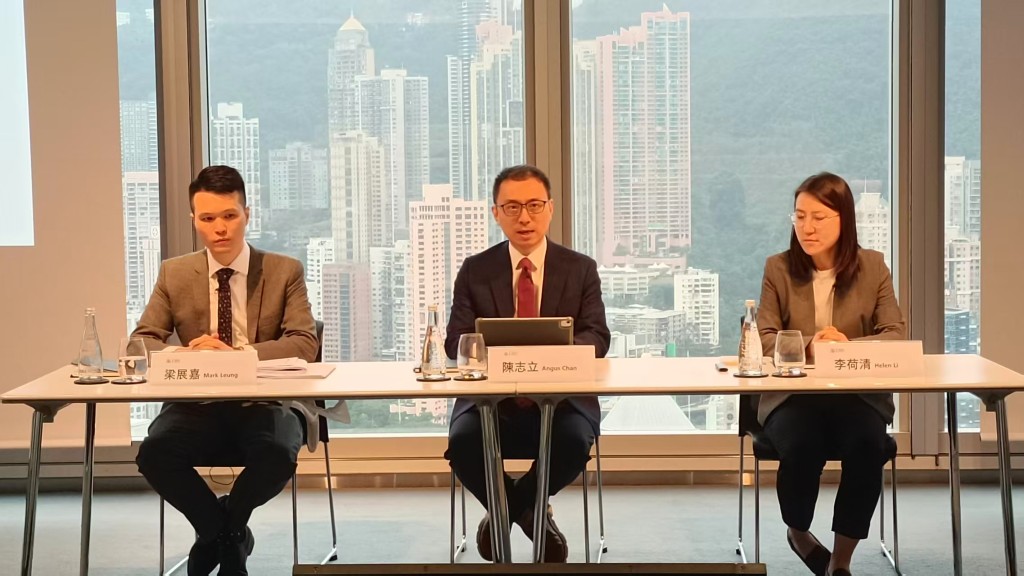
Gross rental yields of 3.2 percent to 3.3 percent are nearly on par with prevailing mortgage rates of 2.9 percent to 3.2 percent. If Hong Kong’s prime rate climbs alongside US interest rates, mortgage funding costs may outstrip rental returns, tipping the balance in favor of renting over buying and capping home-price gains, said Mark Leung Chin-ka, Hong Kong property analyst at UBS Global Research.
Meanwhile, China is tightening rules governing outbound investment. One key measure is State Council Decree No.837, which took effect in July and currently applies mainly to corporate overseas investments. He flagged a risk over whether the regime could later be extended to individual property investment, one that the market has yet to price in.
Leung said talent-fueled districts are poised for steady performance. Areas such as Central and Western, West Kowloon, Cheung Sha Wan and Shek Kip Mei stand to benefit from inflows of mainland students and talent, with promising rental yields and growth prospects, adding that tax breaks for hedge funds should attract more high-caliber talent to Hong Kong, which could indirectly lift rents and returns for offices and luxury homes, particularly in Central.
Longer-term supply from the Northern Metropolis is another key factor. With the Northern Link rail line scheduled for full opening in 2034, developers are likely to launch most projects around 2031. Lower land costs in the region mean price and supply risks need monitoring over the medium to long run, he added.
Frank Feng