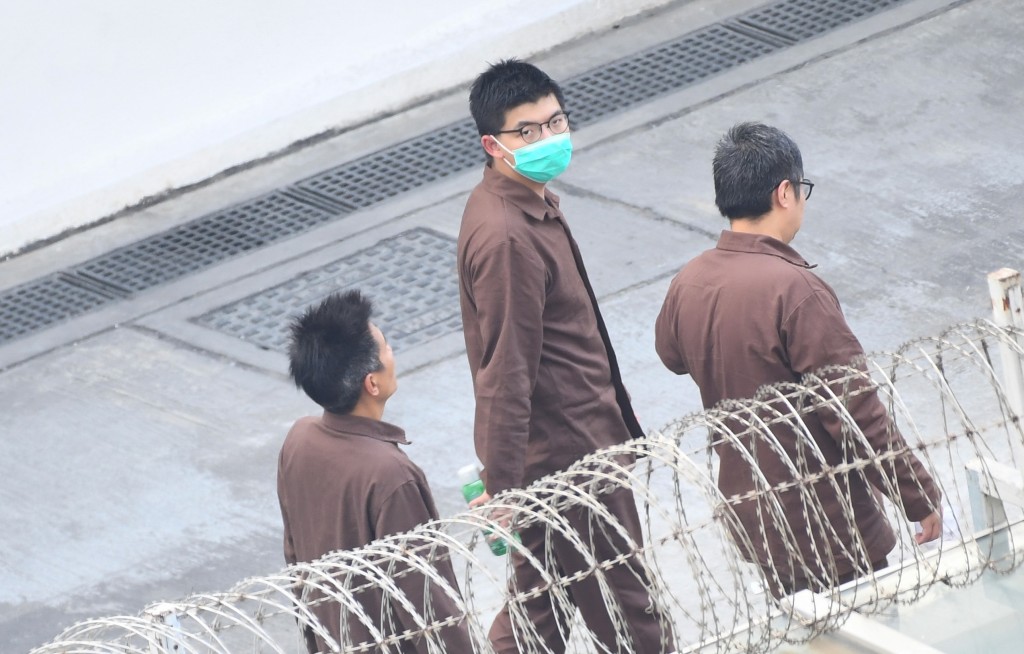
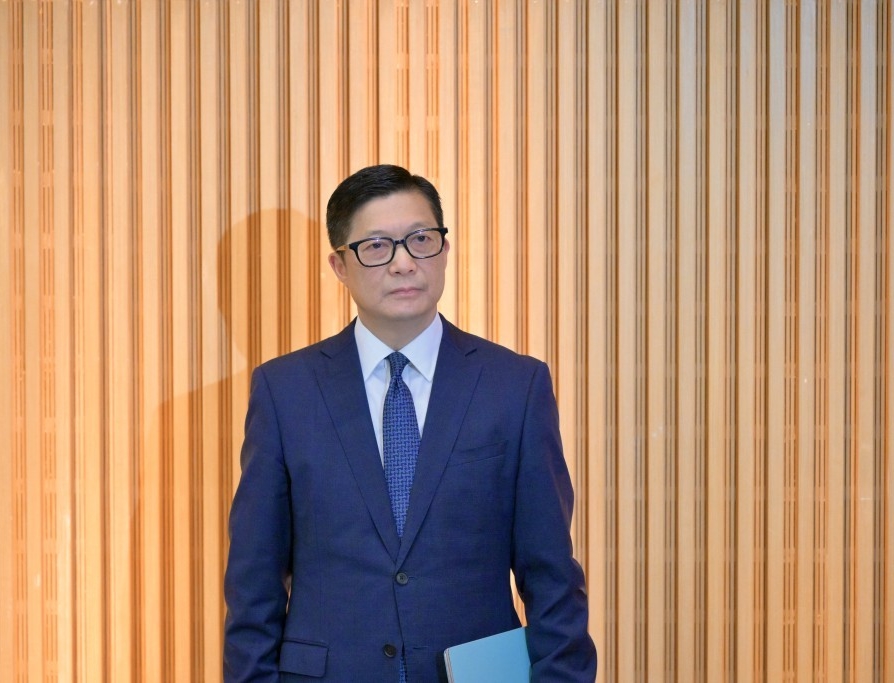
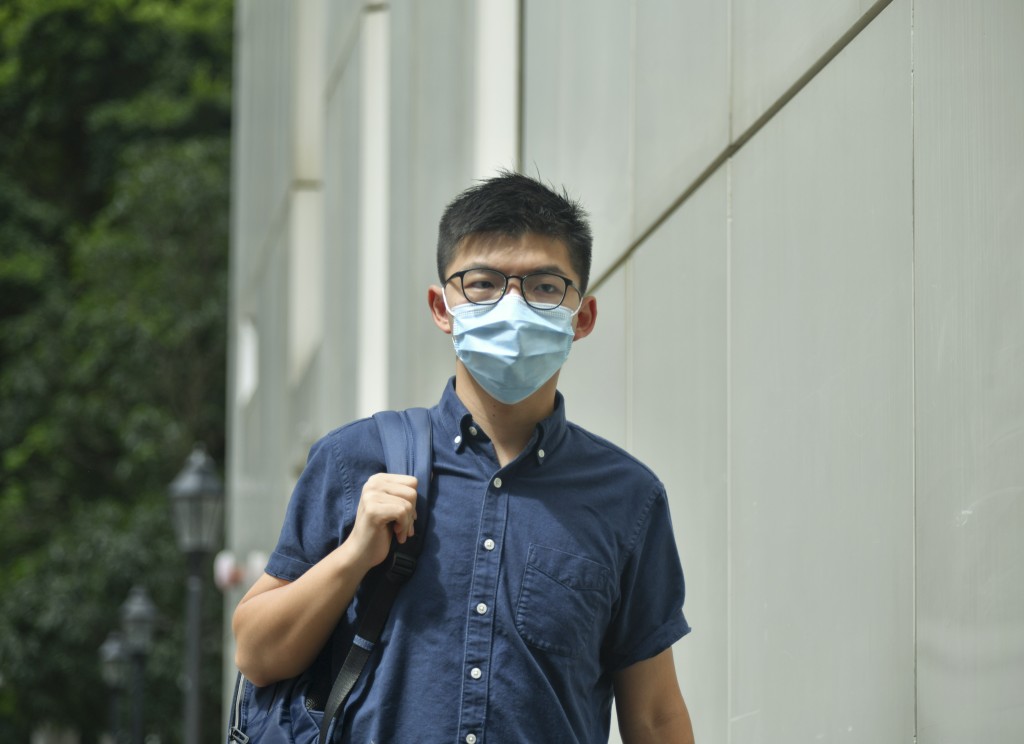
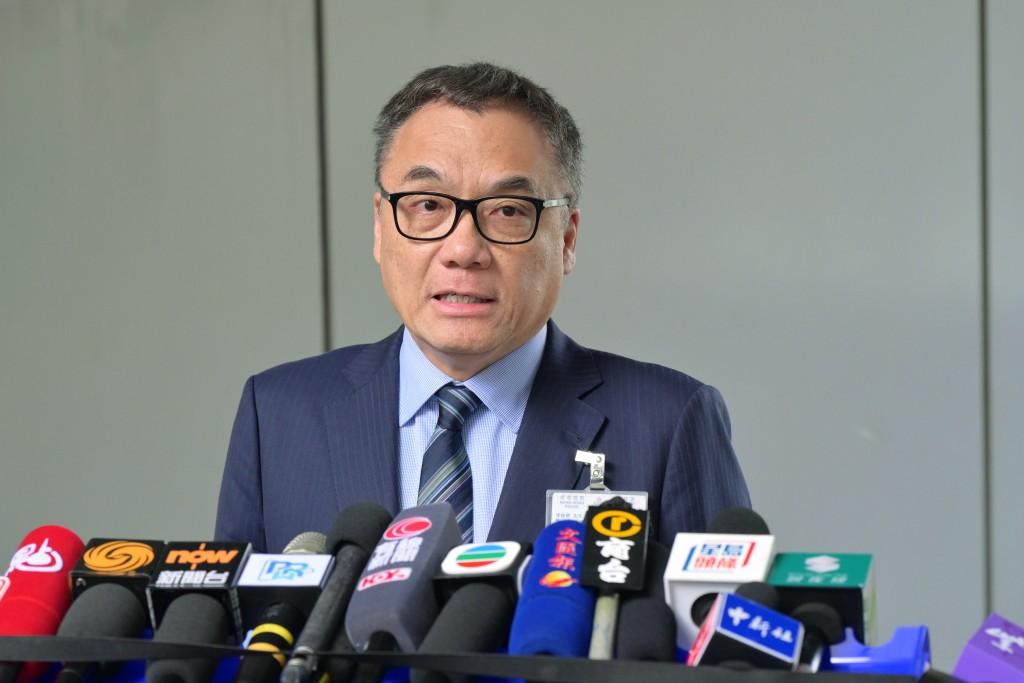
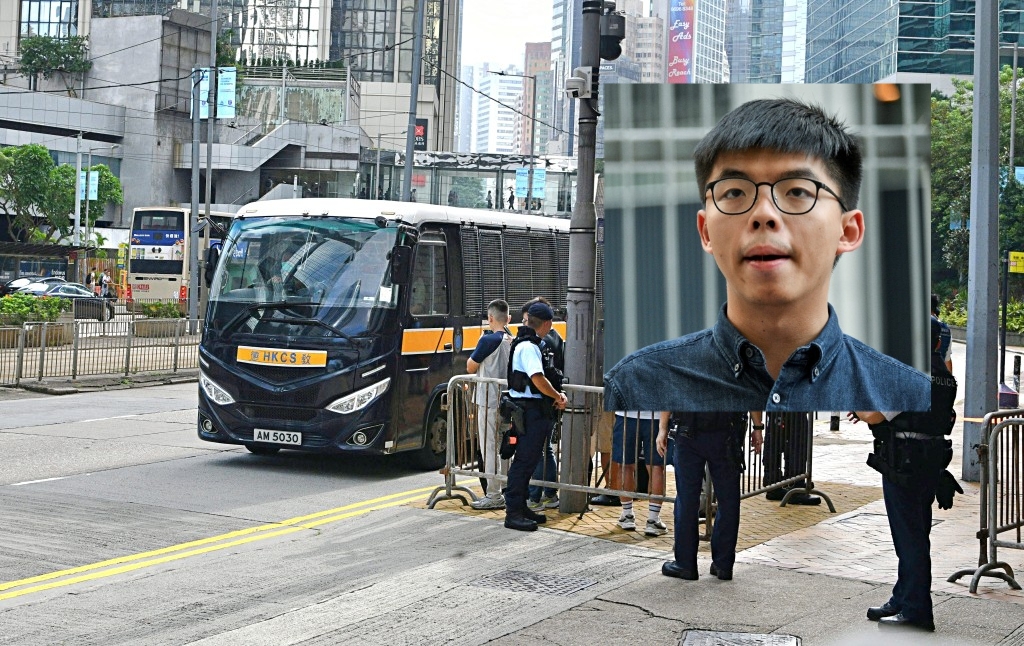
Joshua Wong Chi-fung, who was once elevated by Western nations as a youth protest figurehead, has been sentenced to ten years of imprisonment after being convicted of conspiring with Nathan Law Kwun-chung and others to collude with foreign or external forces to endanger national security. The unlawful activities continued following the enactment of the Hong Kong National Security Law and involved attempts to trigger sanctions, blockades, or other hostile measures against mainland China and the Hong Kong Special Administrative Region.
Joshua Wong jailed for ten years over conspiracy to collude with foreign forces despite vain plea for leniency in grave crime
Wong had previously entered an immediate guilty plea upon arraignment before the High Court. Political observers suggested that he was fully conscious of the incontrovertible nature of the evidence and had hoped an early admission would secure a reduced penalty, with his mitigation submission arguing that the gravity of his actions did not reach the highest threshold. However, Deputy High Court Judge William Tam Yiu-ho explicitly ruled during sentencing that the offenses were of a grave nature, imposing a ten-year term of incarceration.
Historical records indicate that Wong had employed radical tactics in 2014 to mobilize anti-national education demonstrations and the unlawful Occupy Central movement, earning substantial favor from Western political circles.
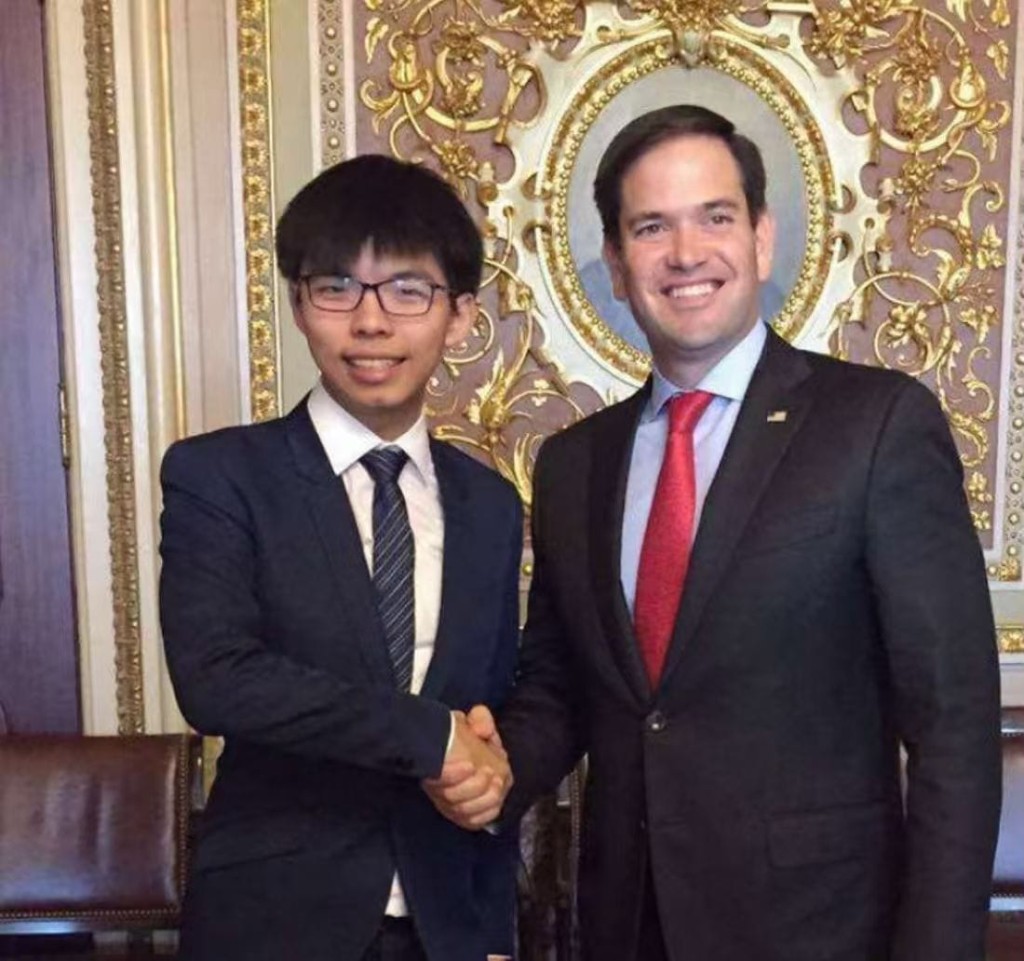
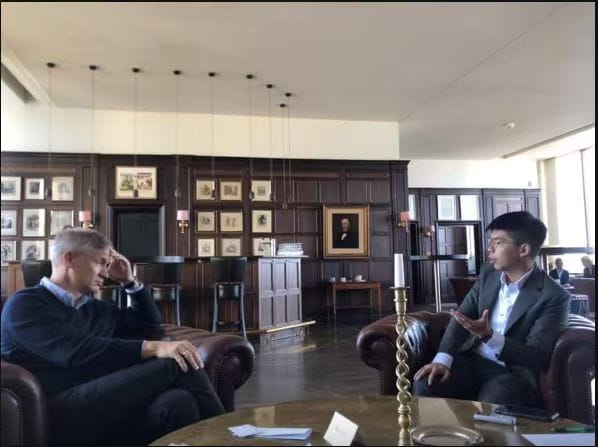
In addition to being selected as a cover figure by Time magazine, he was repeatedly invited to high-level meetings with prominent American political leaders, including former Secretaries of State and the Speaker of the House of Representatives.
The incident demonstrated that Western figures viewed him merely as an expendable instrument to be discarded once his utility had expired.
Historical records indicate that Wong had employed radical tactics in 2014 to mobilize anti-national education demonstrations and the unlawful Occupy Central movement, earning substantial favor from Western political circles. In addition to being selected as a cover figure by Time magazine, he was repeatedly invited to high-level meetings with prominent American political leaders, including former Secretaries of State and the Speaker of the House of Representatives. Despite outward displays of intimacy, details disclosed in the book Among the Braves, written by American journalists, revealed that Wong urgently appealed to American consular officials and the then-Secretary of State in July 2020 seeking shelter inside the consulate or political asylum, only to face outright rejection. The incident demonstrated that Western figures viewed him merely as an expendable instrument to be discarded once his utility had expired.
Court facts and public records show that the political group Demosisto was established in 2016, with Wong serving as secretary-general and Law as chairman.
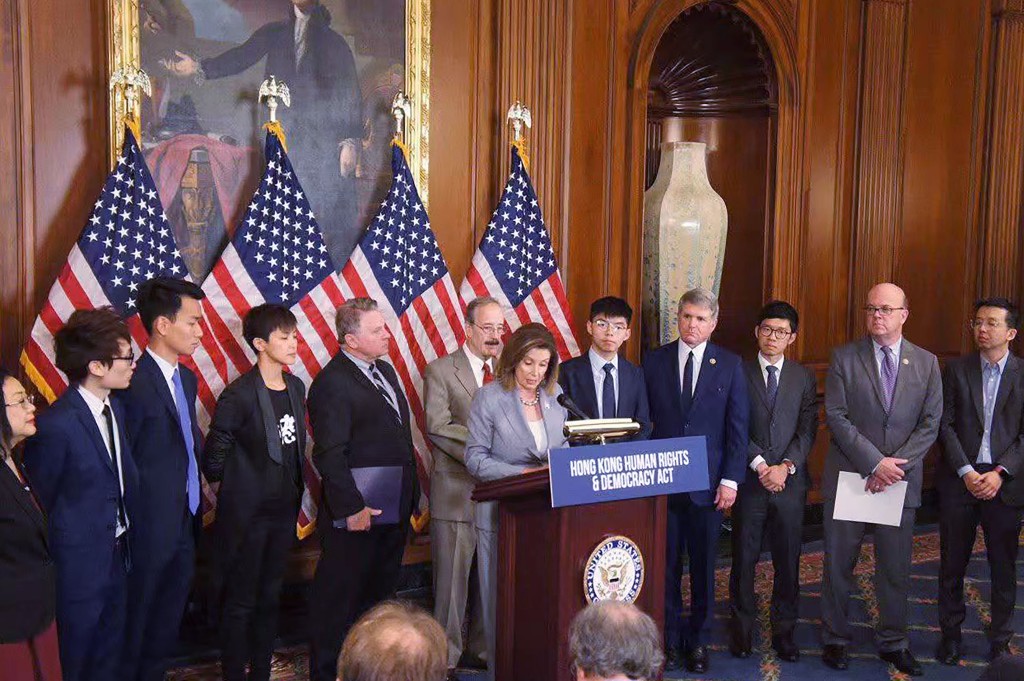
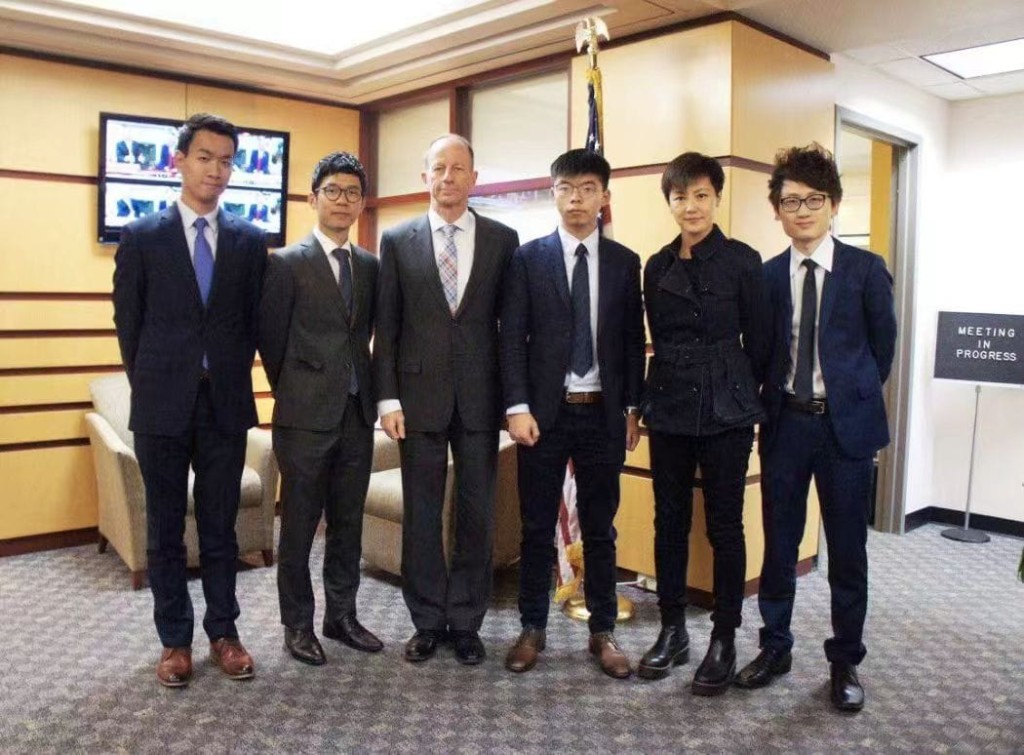
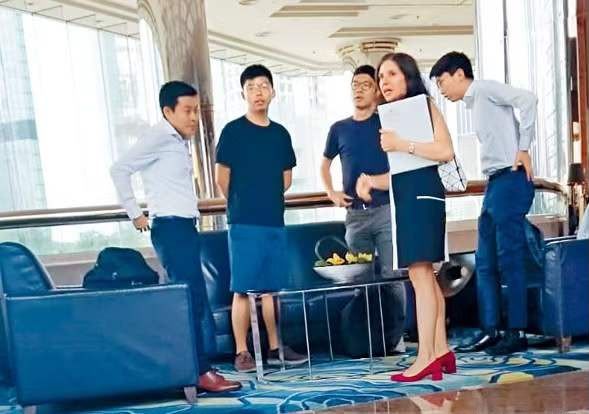
Observers added that Wong's cultivation of ties with American officials began as early as 2014 following his Time cover feature, culminating in meetings with figures such as former Assistant Secretary of State David Stilwell, former Speaker of the House Nancy Pelosi, and former political section chief at the US Consulate General Julie Eadeh. These engagements led Wong to rely on foreign backing, believing he was shielded by American patronage.
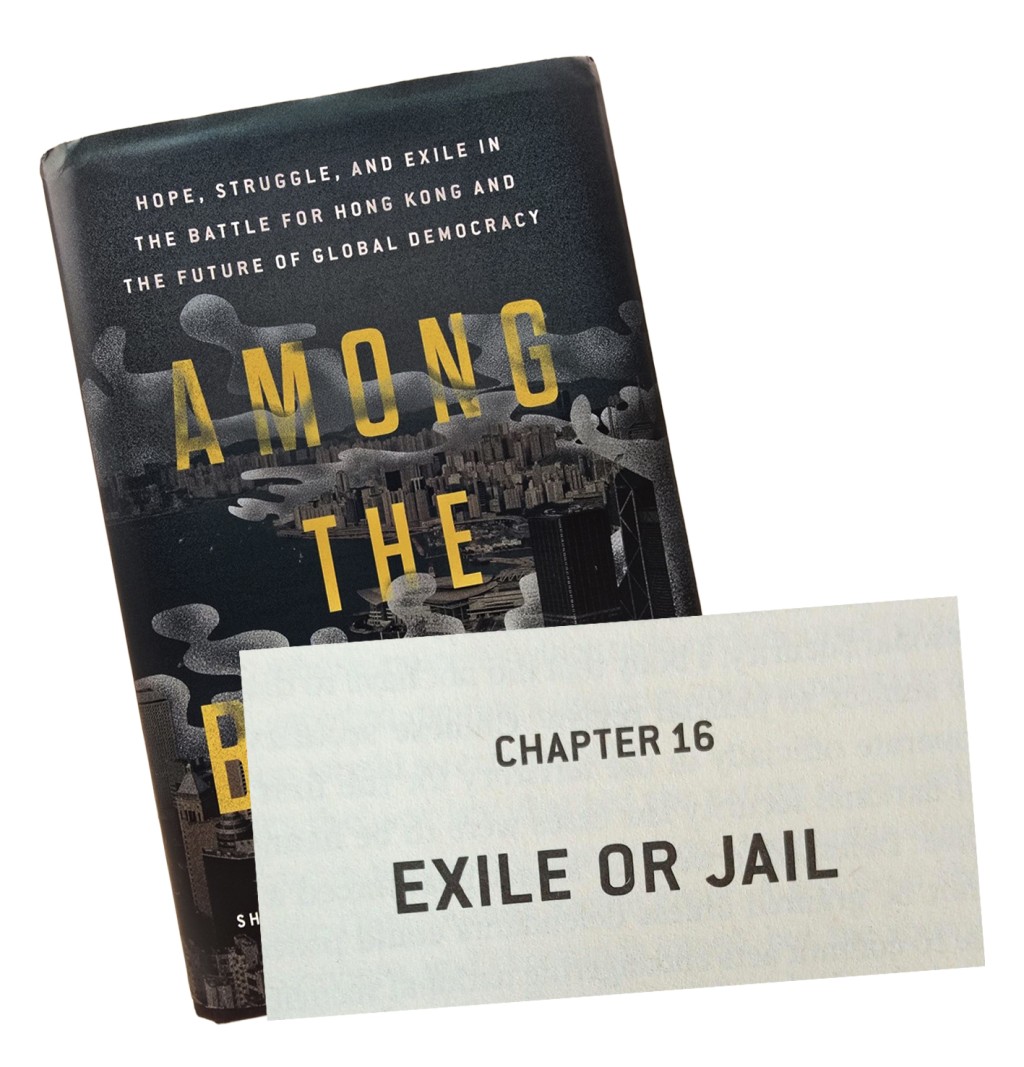
Despite outward displays of intimacy, details disclosed in the book Among the Braves, written by American journalists, revealed that Wong urgently appealed to American consular officials and the then-Secretary of State in July 2020 seeking shelter inside the consulate or political asylum, only to face outright rejection.
Transnational campaign pursued through international lobbying and legislative agitation
Court facts and public records show that the political group Demosisto was established in 2016, with Wong serving as secretary-general and Law as chairman. The two men agreed to pursue their political objectives via international lobbying efforts and had coordinated with other unidentified individuals to organize an international advocacy front prior to the implementation of the National Security Law. In November 2016, they actively campaigned in the United States for the passage of the Hong Kong Human Rights and Democracy Act, paving the way for future American sanctions against the Hong Kong Special Administrative Region. During the social unrest in 2019, they initiated multiple joint petitions advocating for sanction frameworks directed at Hong Kong officials and urging foreign governments to halt supplies of law enforcement equipment to the Hong Kong Police Force.
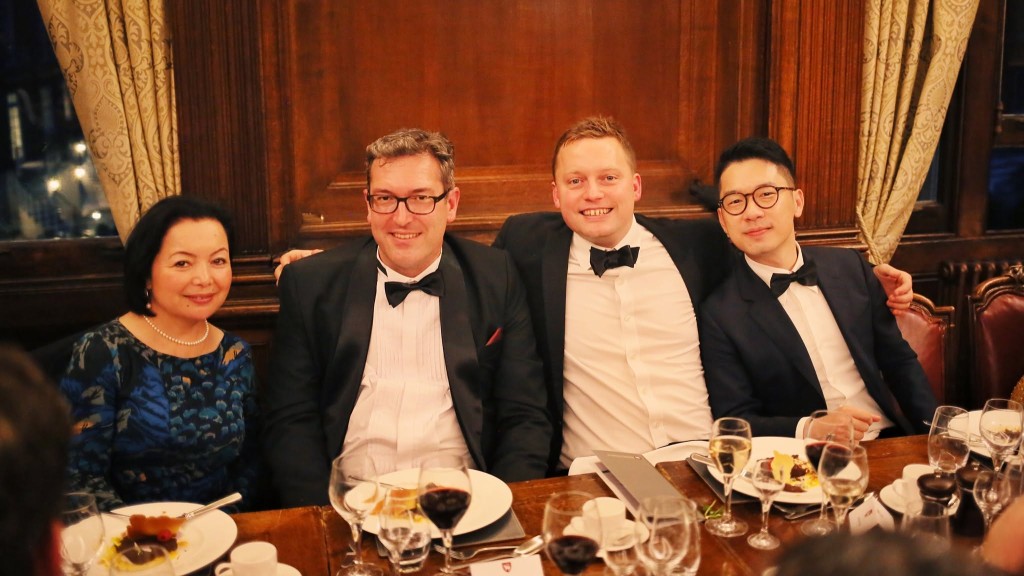
Following the promulgation of the National Security Law, Wong, Law, and their unidentified associates maintained their shared objective and persisted with their international campaign both locally and overseas. From within Hong Kong, Wong supported the international front by publishing commentary and granting interviews to foreign media organizations, while circulating and amplifying social media posts made by his overseas collaborators. Concurrently, Law, who had fled to the United Kingdom, along with other unidentified individuals, engaged in meetings with foreign government officials and politicians while organizing global petition drives to lobby for sanctions and demand an end to software and equipment deliveries to the police force.
These coordinated maneuvers included instances starting from July 2020 where Wong twice reposted Law's petition demanding that digital forensic suppliers such as the Israeli firm Cellebrite cease supplying mobile forensic software to the Hong Kong Police Force, adding public claims that Israeli lawyers had petitioned their government with identical demands. When Cellebrite subsequently announced in October of the same year that it would stop selling its software to mainland China and Hong Kong, Wong boasted on social media platforms that his efforts had contributed to the outcome. Advocacy by the duo contributed to the suspension of fugitive surrender arrangements by the United States, the United Kingdom, Germany, and France, while the United States enacted the Hong Kong Autonomy Act, sanctioning fifteen mainland and Hong Kong officials and terminating bilateral reciprocal tax relief treaties with the territory.
Investment analysts have observed that economic penalties such as the abolition of double-taxation agreements drive up operating expenditures for local enterprises while eroding profitability. These measures have prompted foreign corporations to relocate or downscale their presence in Hong Kong, directly curtailing employment prospects and undermining the tangible economic interests of local residents.
Stern sentence underscores severe threat posed to rule of law during unrest
Political commentators pointed out that Wong had previously been granted the maximum one-third sentencing reduction after pleading guilty before the trial of the primary election subversion case. Analysts believe that his prompt guilty plea on this occasion was not born of genuine remorse but rather represented a calculated attempt to minimize his perceived culpability. By arguing during mitigation that his post-enactment role was peripheral and fell within a lesser severity category below the grave tier, Wong had hoped the court would adopt a starting point close to ten years and apply the maximum third-off discount, thereby securing early release.
However, Judge Tam stated clearly in his verdict that Wong possessed complete knowledge of and actively endorsed Law's appeals for overseas sanctions after the National Security Law took effect. The court noted that Wong would undoubtedly have continued to spearhead the sanction campaign had he not been remanded in custody. Furthermore, given that the offenses occurred during a period of intense social turmoil that placed the rule of law under severe peril, Wong's actions undeniably compounded the challenges confronting mainland and regional authorities. Consequently, the court categorized the case as grave in nature and handed down a sentence of ten years.
Observers added that Wong's cultivation of ties with American officials began as early as 2014 following his Time cover feature, culminating in meetings with figures such as former Assistant Secretary of State David Stilwell, former Speaker of the House Nancy Pelosi, and former political section chief at the US Consulate General Julie Eadeh. These engagements led Wong to rely on foreign backing, believing he was shielded by American patronage.
Nevertheless, accounts documented in Among the Braves by former Washington Post bureau chief Shibani Mahtani and contributing writer Timothy McLaughlin indicate that American authorities regarded Wong as entirely disposable. The authors recorded that on the eve of the national security legislation taking effect, Wong requested entry into the American consulate for protection, but was only granted a meeting at an off-site office located in St. John's Building. After asylum efforts inside Hong Kong stalled, former Demosisto member Jeffrey Ngo, then situated in the United States, dispatched an email in Wong's name to then-Secretary of State Mike Pompeo formally requesting political sanctuary. Although Pompeo convened six senior officials to review potential options, American officials ultimately chose to abandon Wong after assessing the political liabilities.
Contrast between overseas fugitives and domestic legal consequences
Wong was not the only individual involved in the violent disturbances who operated under the assumption of American diplomatic immunity. On October 27, 2020, Tsang Chi-kin, who had previously been shot and apprehended while assaulting a police officer in Tsuen Wan, went with former Studentlocalism convener Tony Chung Hon-lam and fellow protest participant Dick Wong to the US Consulate General to seek asylum, only to be dismissed by consular staff with assertions that no assistance could be offered. Tsang subsequently recounted to news media that the immediate rejection caused him to plunge from heaven to hell, feeling thoroughly betrayed.
In contrast, Nathan Law, a co-conspirator and fellow former Demosisto leader who was placed on the police wanted list with a one-million-dollar bounty in July 2023 and designated an absconder under local national security legislation, exemplified the practice of inciting others while securing his own escape. Law departed Hong Kong for London shortly before the National Security Law came into effect, leaving his former associate behind. Upon arriving in the United Kingdom, Law secured political refugee status, gave frequent interviews to Western media, and accumulated political rewards and subscription revenues online, while Wong remained in the territory to face statutory penalties.
Political observers remarked that the outcome serves as a stern reminder that anyone who acts as a foreign pawn will inevitably be discarded once their usefulness runs out. They emphasized that Hong Kong operates as a law-based society where statutory accountability is enforced without exception, and where actions undermining national security, citizen welfare, or long-term public stability are never tolerated.
Summary of admitted prosecution facts and American economic restrictions
The prosecution facts admitted by Wong detailed that between July 1 and November 23, 2020, Wong, Law, and their confederates petitioned multiple Western jurisdictions—including the United States, the United Kingdom, Japan, and Israel—alongside various organizations to impose sanctions on central and local authorities, with several requests successfully prompting hostile actions against the special administrative region. Wong and Law acted as the core leaders with distinct divisions of labor: Wong publicized his intention to remain in Hong Kong following the implementation of the National Security Law, utilizing social media and various publications to mount online petitions and support Law's ongoing overseas lobbying offenses.
In parallel with these lobbying campaigns, economic curbs and trade interventions implemented by the United States against China and Hong Kong in recent years have encompassed several core areas:
- Strict limitations and outright prohibitions have been imposed on American venture capital, private equity, and institutional funds investing in high-technology fields across China, including Hong Kong.
- Rigorous export controls have been enacted to restrict shipments of advanced artificial intelligence semiconductors, semiconductor manufacturing equipment, quantum computing technology, and cutting-edge telecommunications hardware to China and Hong Kong.
- Targeted investment prohibitions, the termination of reciprocal tax exemptions, and secondary sanction regimes have exerted substantial compliance burdens on Hong Kong's entrepot trade flows and international financial activities.