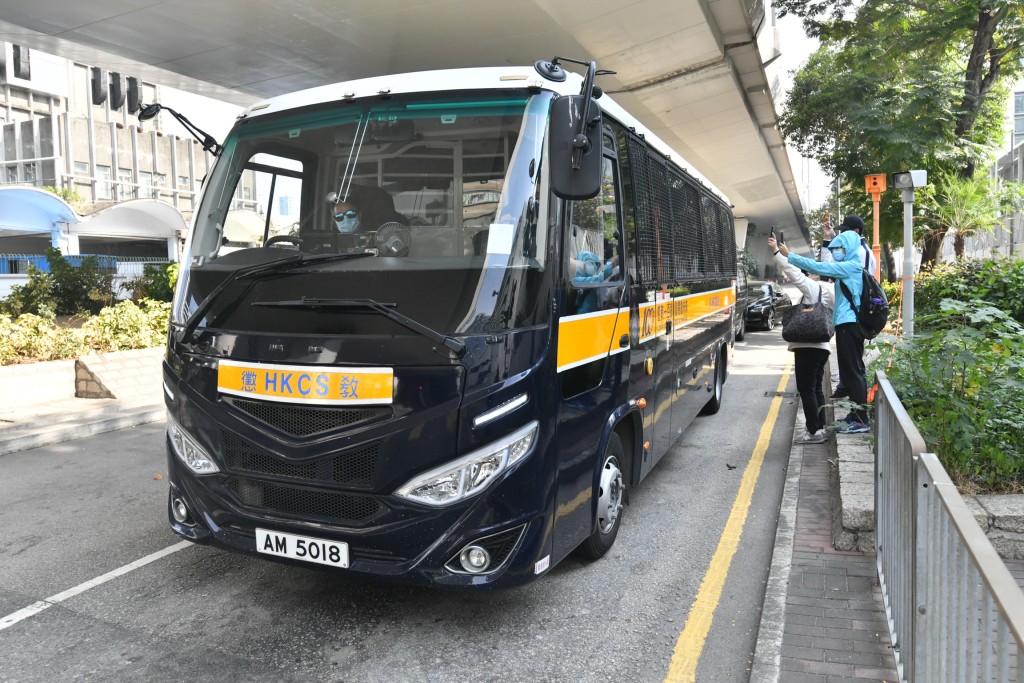
Two members of the banned organization "Hong Kong Democratic Independence Union", Ng Chi-tung and Chan Tai-sum, previously pleaded guilty to "conspiracy to commit secession" and were sentenced on September 10 in the District Court to 36 months and 38 months of imprisonment, respectively.
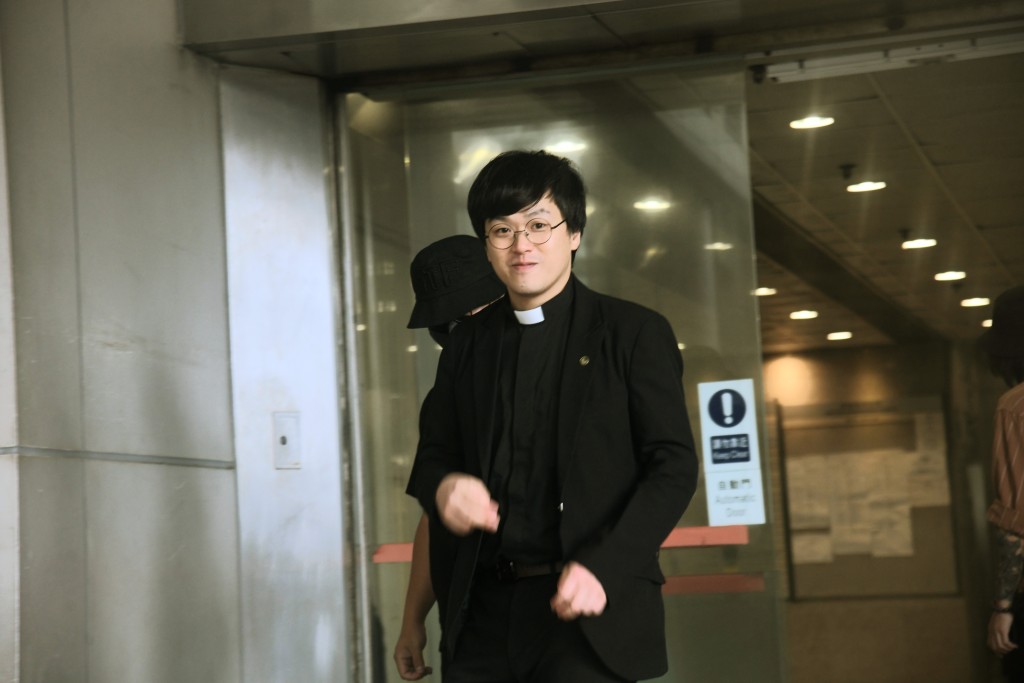
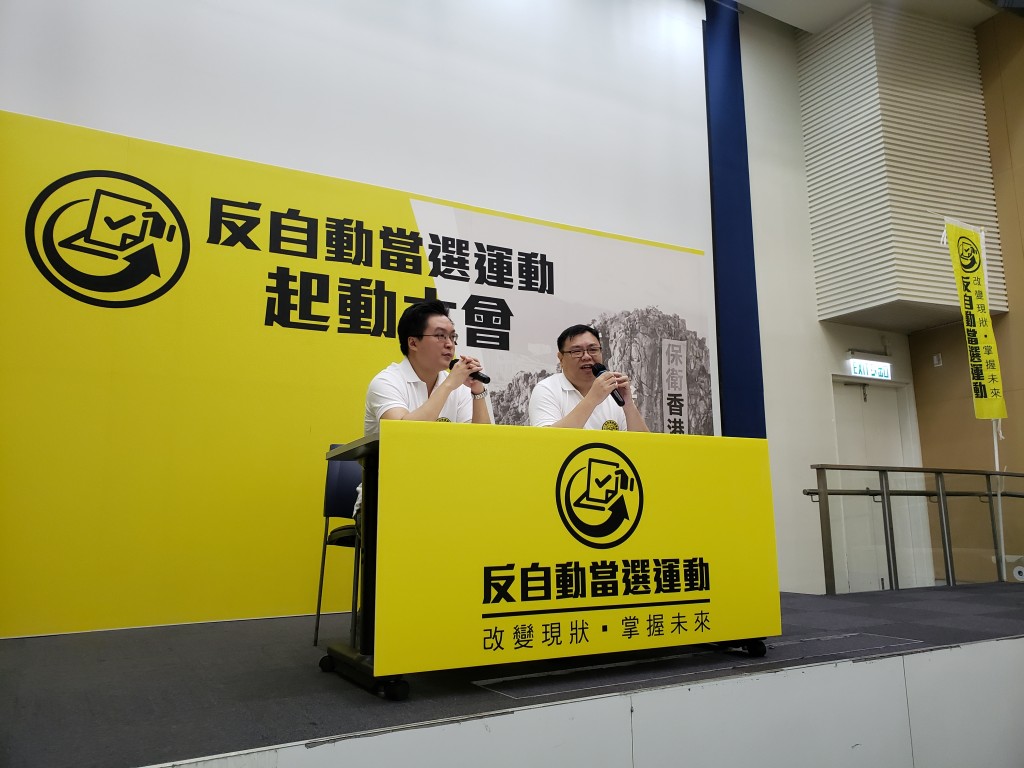
Alan Keung Ka-wai
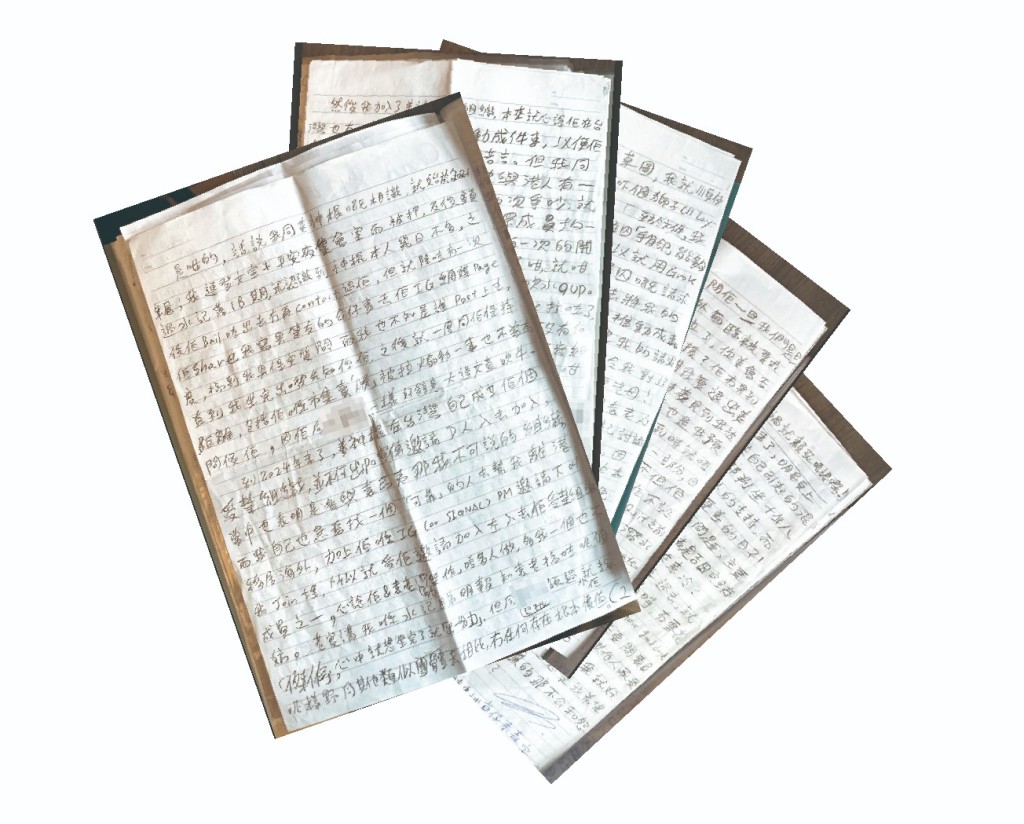
As soon as he began serving his sentence, Chan Tai-sum wrote a letter from prison describing Alan Keung Ka-wai, the founder of the Union, as a 'charlatan,' revealing that he had been deceived by Keung and discarded like 'cannon fodder' after being used.
As soon as he began serving his sentence, Chan Tai-sum wrote a letter from prison describing Alan Keung Ka-wai, the founder of the Union, as a "charlatan," revealing that he had been deceived by Keung and discarded like "cannon fodder" after being used.
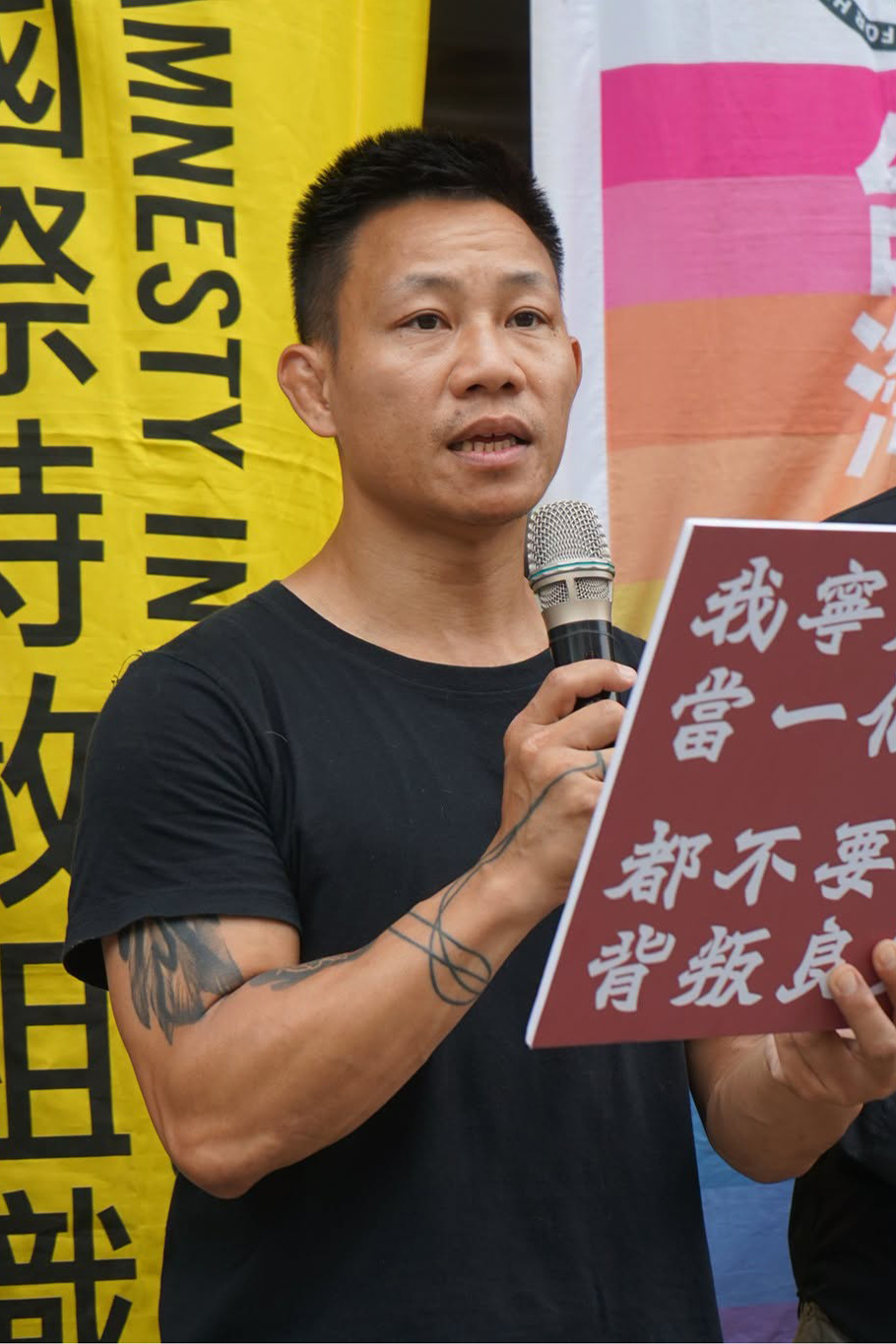
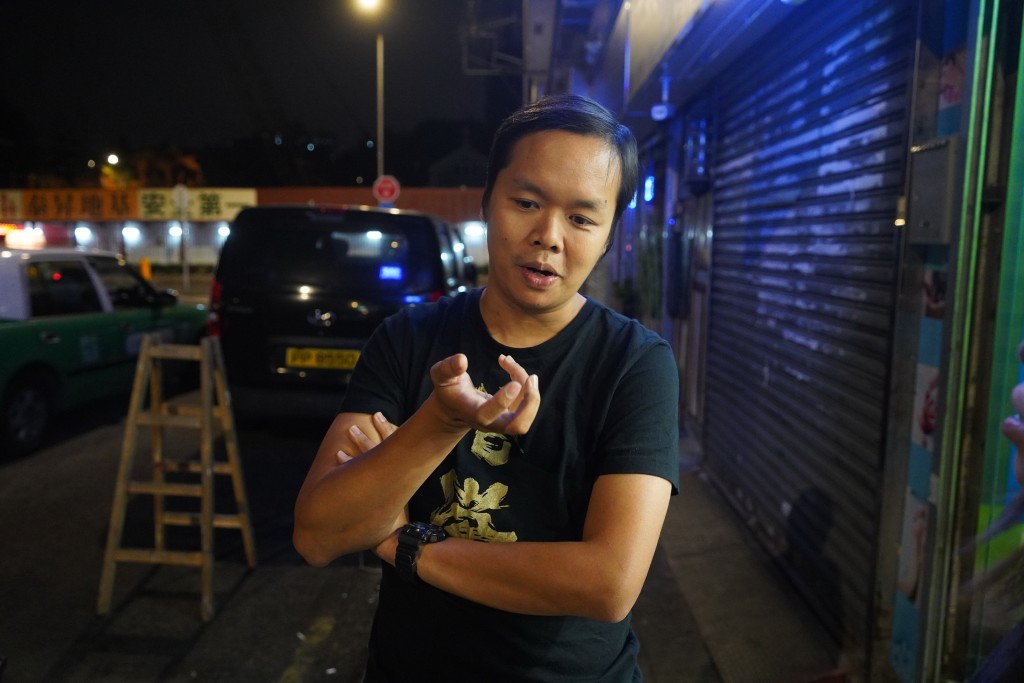
Tong Wai-hung
Tong Wai-hung, a wanted fugitive who has fled to Taiwan, made Chan's letter public and fiercely condemned Keung's actions as evil.
However, Tong was in turn accused by fellow travelers of having engaged in financial fraud himself. Meanwhile, Henry Wong Pak-yu, who was previously imprisoned in the "35+ subversion" case, also joined in strongly criticizing Keung for swindling and deceit.
According to political and business insiders, because the United States Agency for International Development (USAID) and the National Endowment for Democracy (NED) have halted foreign assistance in recent years, overseas anti-China rioters lacking financial backers have reached near-total financial exhaustion.
Coupled with a general lack of professional skills, they have no choice but to continue relying on crowdfunding, exploiting anti-government sentiments by every conceivable means to make a living.
Keung, who frequently appeared at violent riot scenes under the guise of a "pastor" during the 2019 unrest, was previously sentenced to eight months in prison for "seditious intent."
After his release, he fled to Taiwan, where he established the "Hong Kong independence" group "Hong Kong Democratic Independence Union" and took part in the anti-China group "Hong Kong Parliament," openly advocating the creation of armed military forces to achieve illegal goals such as "eliminating the Communist Party" and "reclaiming Hong Kong."
Keung was ultimately placed on a wanted list for "subversion of state power" and designated as a "specified absconder" in August 2025; the "Hong Kong Parliament" and the Union were also declared "prohibited organizations" in December of the same year.
In July of last year, police arrested several local members of the Union in Hong Kong, including a secondary school student who was only 15 years old at the time.
The student pleaded guilty to "conspiracy to commit secession" and was sentenced to 42 months of imprisonment in the District Court in December of last year.
The other two defendants, Ng Chi-tung and Chan Tai-sum, also pleaded guilty. In their mitigation pleas, both stated that they suffered from autism and had been enticed by others to participate in illegal activities.
Chan admitted that he had joined the group in order to obtain foreign political asylum, which the judge condemned as "selling out one's country for personal gain." Ng and Chan were sentenced earlier this month to 36 and 38 months of imprisonment, respectively.
Shortly after beginning his prison term, Chan wrote a letter from prison calling Keung Ka-wai a "charlatan." He recounted that after being arrested in late 2021 for offenses linked to the unrest, he became acquainted with Keung while in custody. Knowing at the time that Keung was prone to boasting, Chan had kept his distance.
However, in late 2024, Keung approached and persuaded Chan via private social media messages to join the Union. Hoping to receive assistance from a "reliable" figure to emigrate overseas, Chan agreed to join.
After joining the Union, Chan discovered that the group was in fact a "political sham" that turned a blind eye to the plight of "brothers-in-arms" remaining in Hong Kong. Keung and the group consistently refused to assist Chan with moving abroad.
Even more chilling to Chan was that during a meeting, Keung refused to answer whether the organization would provide support for arrested members.
Only then did Chan realize that Keung was purely a charlatan. Chan denounced Keung's act of instigating a 15-year-old student to join as shameful, writing: "Treating us like cannon fodder, discarding us after use," and then exploiting "our suffering to swindle support from the ignorant."
Infighting erupts once "financial backers" disappear
Keung's conduct has drawn fierce condemnation even from other anti-China and radical figures.
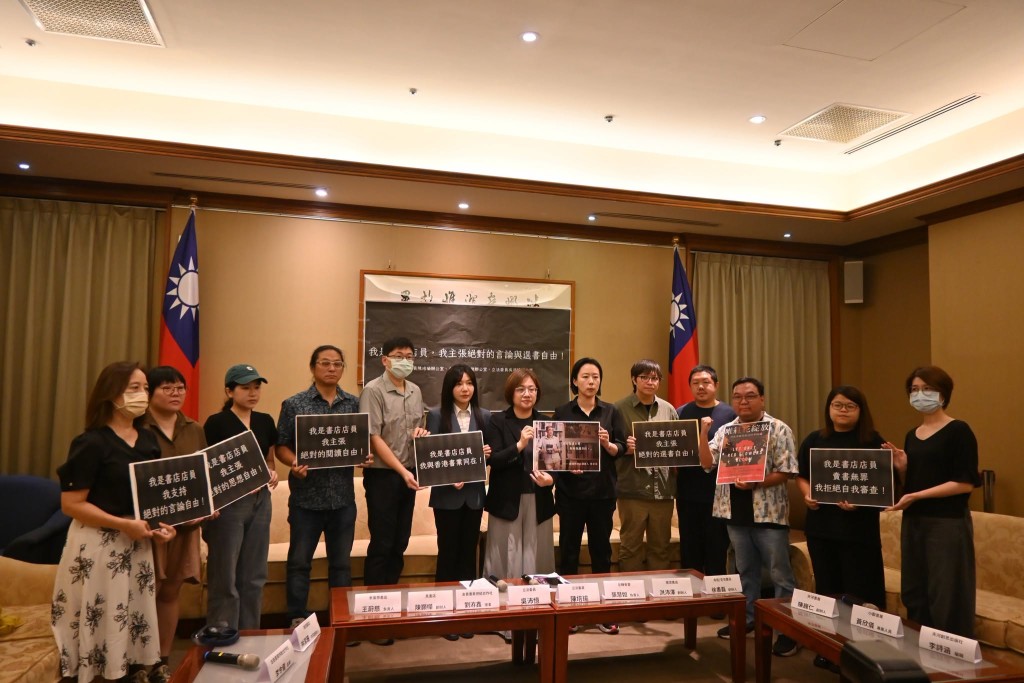
Tong Wai-hung, who fled to Taiwan and is wanted by the Independent Commission Against Corruption (ICAC), recently published Chan's prison letter on social media, accusing Keung of using tactics of "deception, suppression, and silencing" to "infringe upon and bully communities weaker than himself," calling his behavior evil.
Henry Wong Pak-yu, who was classified as an "active participant" in the "35+ subversion" case and completed his sentence in May of last year, also voiced strong dissatisfaction with Keung.
Sharing Tong's post, Wong accused Keung of amassing wealth, swindling, leading people into trouble, and "eating steamed buns dipped in human blood," urging the public not to believe Keung or help him raise money.
Anti-China agitators often fabricate various pretexts to crowdfund, and Keung has repeatedly been accused of pocketing donations intended to support demonstrators.
However, after Tong Wai-hung publicly criticized Keung, old scores were brought up against Tong as well, accusing him of using his "Hong Kong XR Museum" to solicit funds fraudulently. Some online comments pointed out directly that most overseas anti-China figures "only know how to scam people out of money."
Political and business sources noted that the current U.S. administration has terminated foreign assistance through USAID and the NED.
With their "financial backers" gone, overseas anti-government factions are largely drained of resources and have resorted to exploiting sentiments from the unrest by crowdfunding and selling souvenirs, fighting among themselves over whatever scarce funds remain.
"The public must remember not to trust these anti-China disruptors or fall into their traps, let alone be led astray into illegal activities that ruin their own future."
Cases of crowdfunding to amass wealth by anti-China agitators
Keung Ka-wai's Frequent Crowdfunding: During the 2019 unrest, Keung was repeatedly accused of pocketing funds raised under the guise of supporting protesters. In 2022, he launched a crowdfunding "rescue plan" for victims of Myanmar's KK Park. Later, after being arrested for violating the National Security Law, he crowdfunded under the pretext of "raising legal defense fees"; however, after a woman donated HK$280,000 to him, it was revealed that the lawyers representing him provided their services pro bono. After his release, Keung was suspected of absconding to Taiwan with the funds. In July 2026, acting as the so-called "President of the Hong Kong Parliament," he engaged in further fundraising schemes, including selling "commemorative gavels" costing only HK$200 for nearly HK$1,000, and launching a crowdfunding appeal purportedly to purchase combat gear for Hongkongers traveling to fight in Ukraine.
Tong Wai-hung's Unaccounted Funds: In 2021, Tong crowdfunded HK$2 million for his involvement in a "riot case." However, after receiving a refund of 75% of his legal costs, he never accounted for the whereabouts of the funds. After fleeing to Taiwan in 2024, he founded the so-called "Hong Kong Virtual Resistance Museum" and repeatedly asked the public for donations.
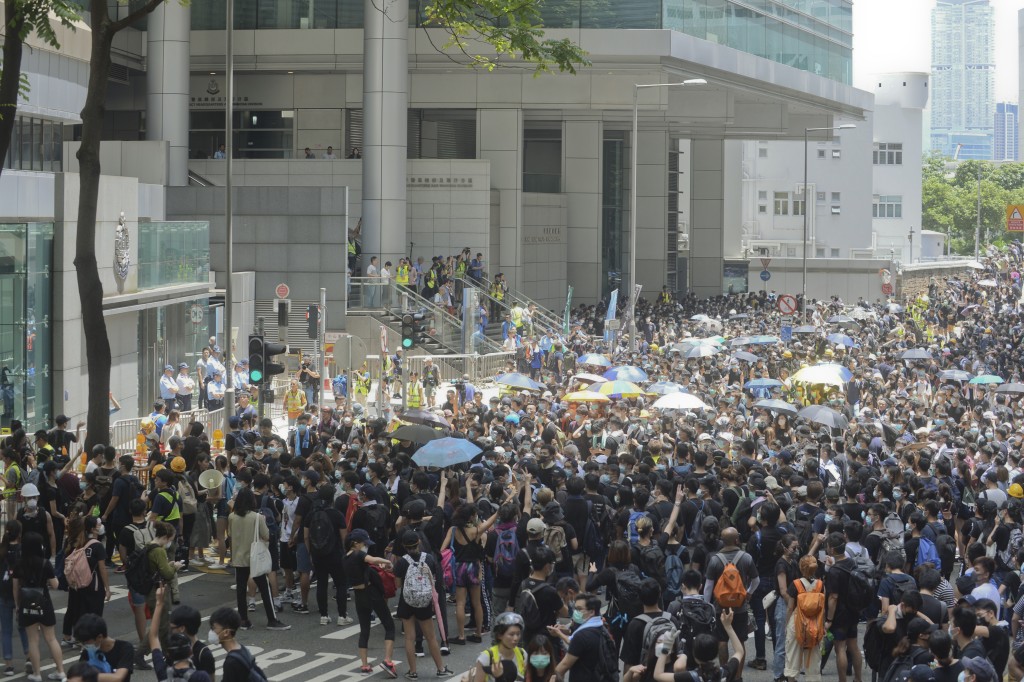
Tuesday Road Media
"Tuesday Road Media" Crowdfunded Millions Under the Pretense of Aiding Escapes: The anti-China YouTube channel "Tuesday Road Media," established by "specified absconders" Tony Choi Ming-da and Fok Ka-chi, initiated crowdfunding campaigns purportedly to help Form Five student Tsang Chi-kin and three other wanted rioters flee. The pair reportedly raised over HK$10 million and collected an additional HK$550,000 in smuggling fees from Tsang and the others. The escape plot ultimately ended in failure, and both individuals have continually refused to explain the destination of the crowdfunded money.
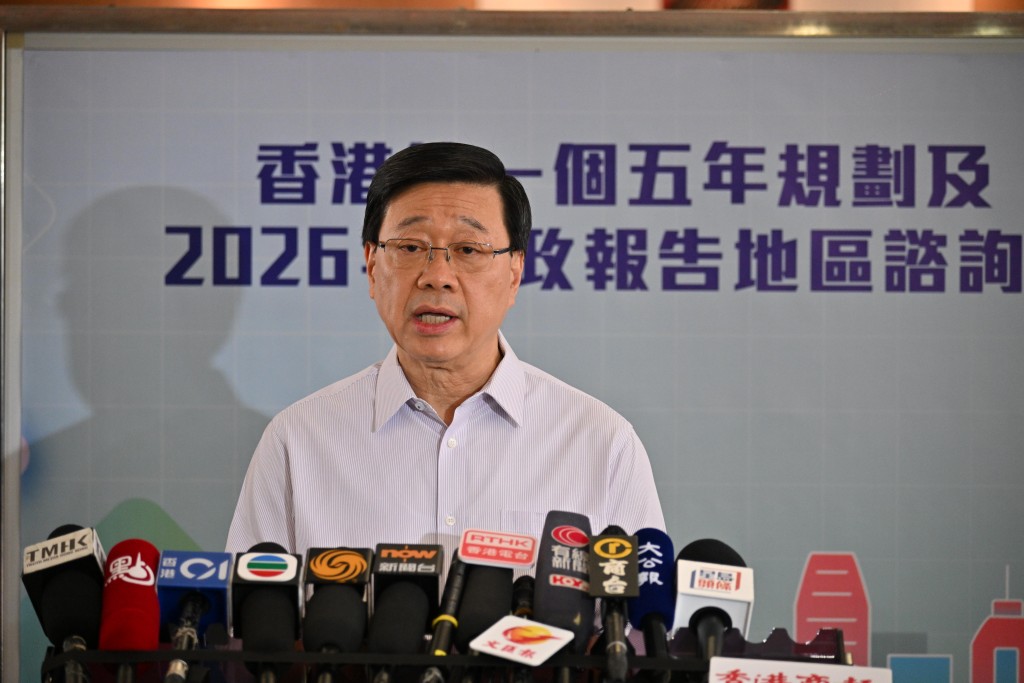
Roy Chan Hoi-hing
Roy Chan Hoi-hing Absconded with Over HK$10 Million: Roy Chan Hoi-hing, founder of the "Good Neighbour North District Church," which actively supported radical protesters during the unrest, initiated multiple crowdfunding campaigns under various pretexts. While HK$27 million was raised, the church publicly reported only HK$8.9 million, raising suspicions that Chan pocketed HK$18 million. After police launched an investigation, Chan and his wife fled to the United Kingdom, where he founded "Good Neighbour Church England" and continued crowdfunding under pretexts such as supporting Hong Kong protesters and Ukraine. In 2024, local church members reported financial irregularities, resulting in the sequential shutdown of several branch operations.