Dating apps have permanently altered the modern romantic landscape—turning human connection into a swipe-based marketplace where profiles are browsed like Amazon listings and the person behind the screen becomes an item one hopes to take home.
Over a decade since the launch of the earliest apps in the 2010s, singles in Hong Kong—a city known for its efficiency and pragmatism—have grown weary of endless swiping and superficial interactions that rarely yield serious, lasting connections.
As city-dwellers seek more organic ways to meet, wellness gatherings, such as running clubs and private social networks targeting Generation Z and Millennials, have surged in popularity in the post-pandemic era.
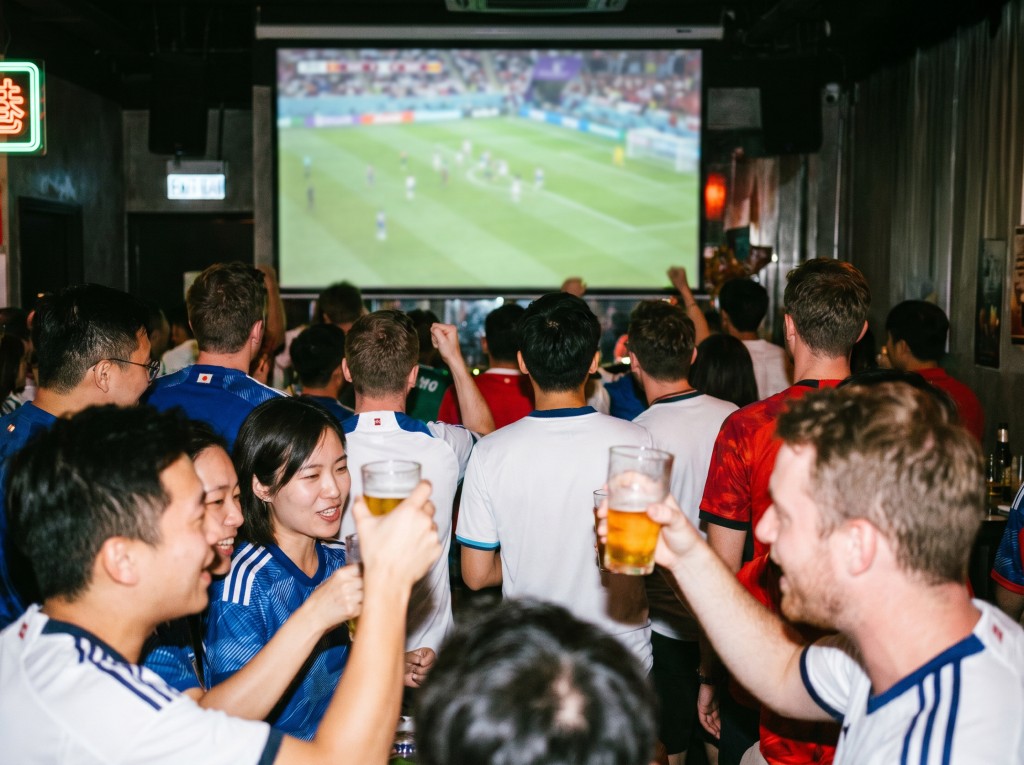
This shift is further evidenced by the sensational rise of Hyrox fitness competitions and the numerous pickleball sessions hosted across the city this summer.
Coffee Meets Bagel (CMB), one of the most widely used dating apps in the market, has sensed this dating fatigue and the unfulfilled demands of its users.
Positioning itself as an online matchmaker rather than a traditional swiping app, CMB launched in Hong Kong in 2015, marking its first overseas expansion outside the United States.
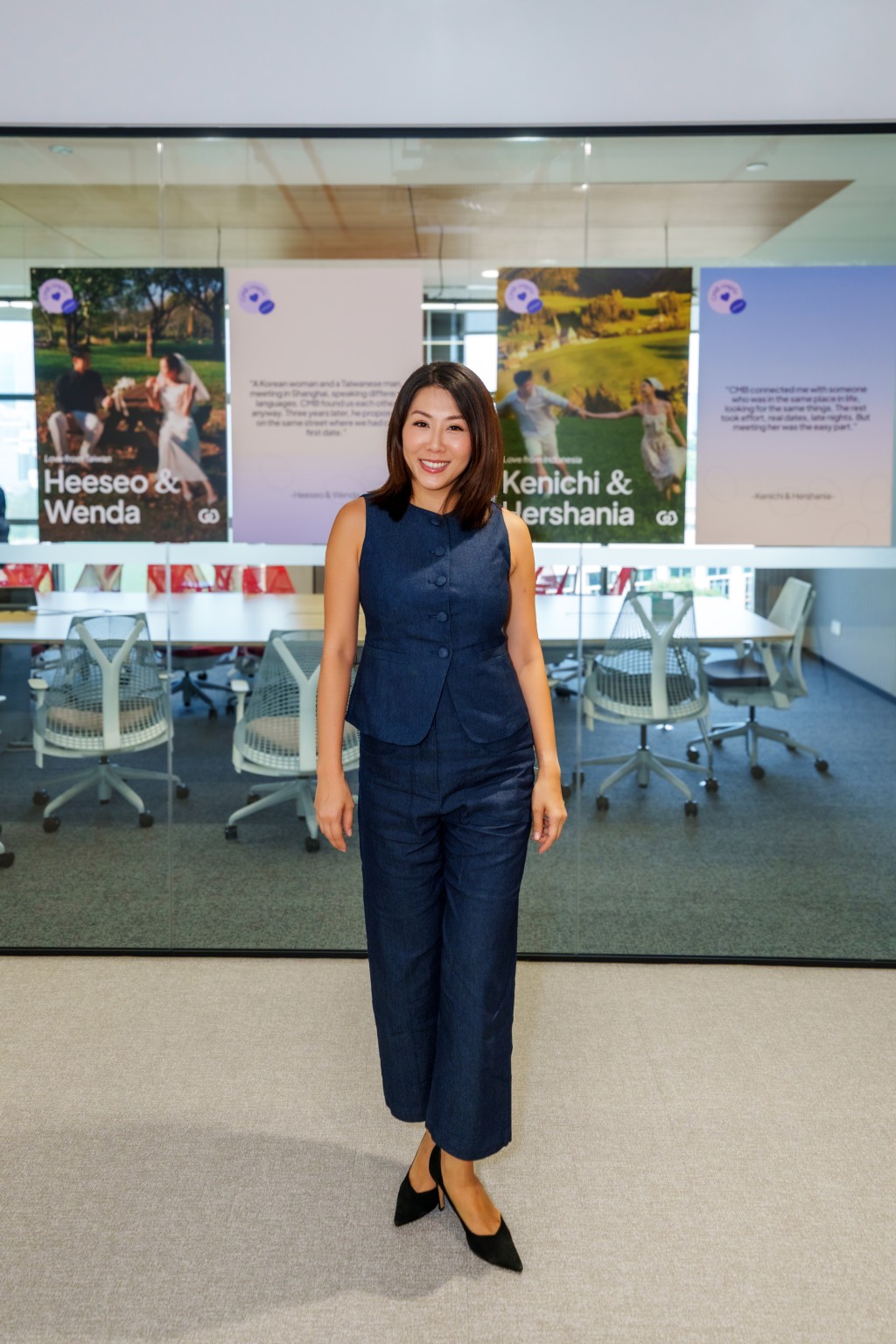
Shn Juay, CEO of Coffee Meets Bagel Worldwide, reflects on how CMB established a presence, branding itself as the app that allows for serious relationship outcomes and emphasizing that the city remains a crucial market a decade on.
Shn Juay, CEO of Coffee Meets Bagel Worldwide
Regarding competition in a market dominated by giants like Bumble and Tinder, Shn noted that CMB does not chase the largest market share. Instead, she views their relationship with other apps as "complementary rather than competitive."
She believes that users who gravitate toward CMB are less interested in apps that require minimal profile information, which aligns with the team's research observation that Hong Kong daters lean heavily towards relationship substance.
Yet, frustration has grown among these users as they feel trapped in a cycle of endless swiping, shallow conversations, and connections that rarely progress offline—a hurdle the app’s largest update hopes to tackle since its launch.
When CMB was founded, users received only one profile at a time. The CMB 2.0 update honors this tradition; each user still receives a curated, limited number of profiles every day at noon.
Compared to other apps, the onboarding workflow is designed to be intentional and informative, aligning with what CMB has observed in Hong Kong daters—mostly time-strapped working professionals who prefer curated, high-quality suggestions.
"What makes a relationship successful" is the most-answered profile prompt in Hong Kong, according to the team. However, the pressure to create the “perfect” profile has become a source of stress for users.
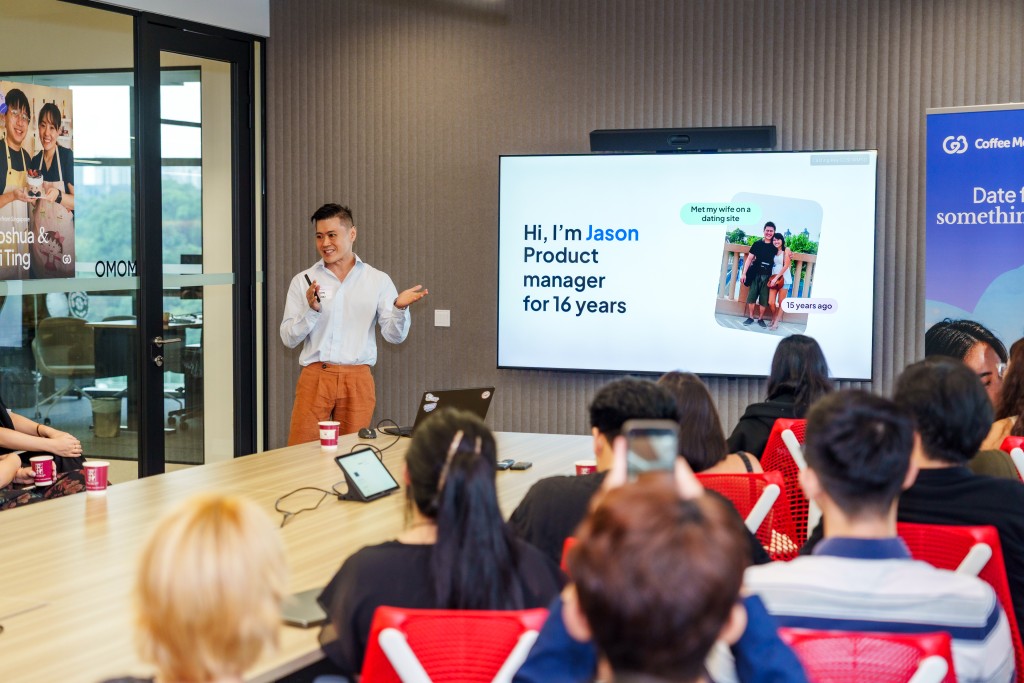
To address this, Jason Teo, head of product at Coffee Meets Bagel, said the team explored ways to help users show their true selves in CMB 2.0. This led to the introduction of "Headlines," a feature designed to let users showcase their authentic personalities.
Jason Teo, head of product at Coffee Meets Bagel
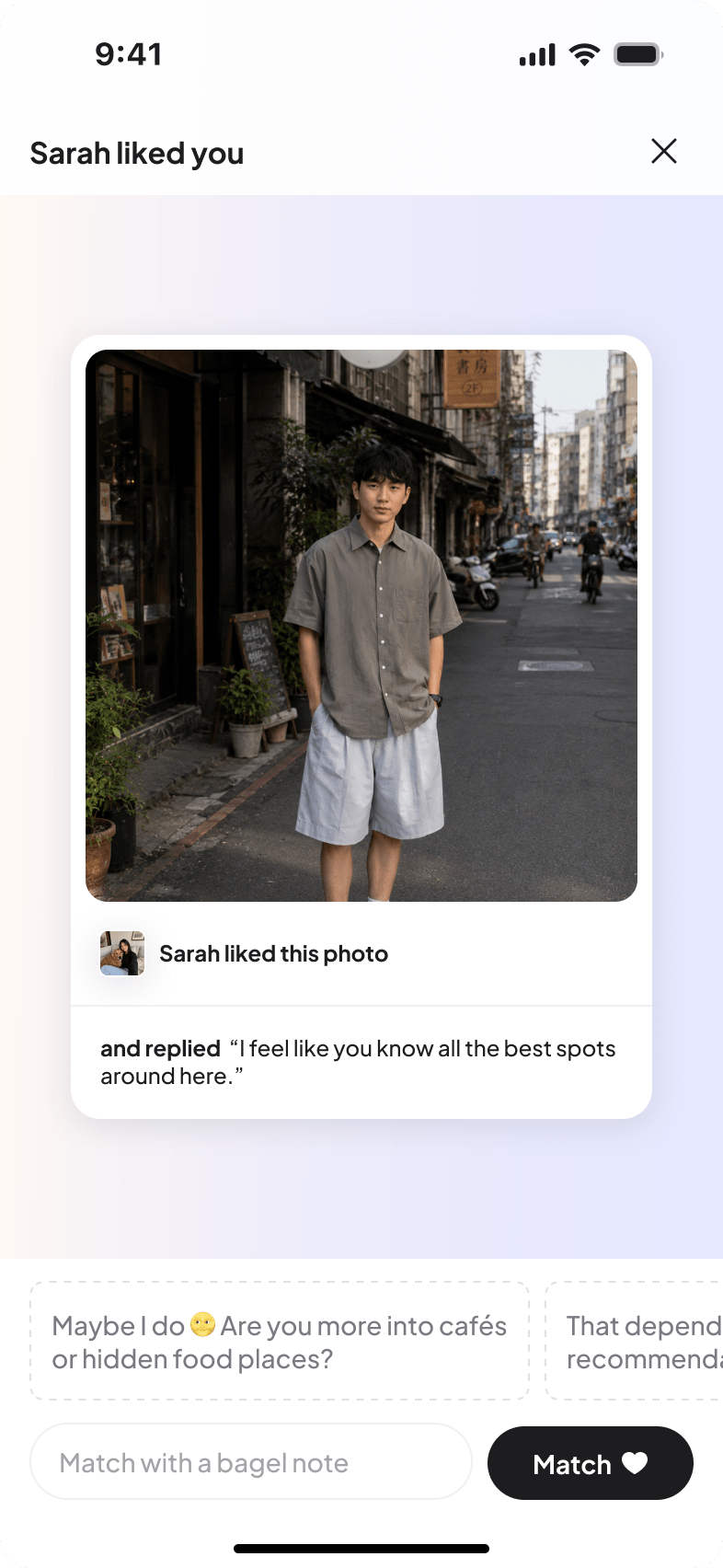
Additionally, the new “Topic Suggestions” feature acts as a personalized message composer, proposing conversation starters drawn from a match’s likes and chat context.
These suggestions, which remain fully editable, provide inspiration for initiating genuine conversations rather than defaulting to a perfunctory “Hi.”
Since the gradual rollout of the first phase of the new user interface in June, CMB Worldwide has seen an approximate 30 percent uplift in messages sent with likes and a 21 percent increase in average profile viewing time.
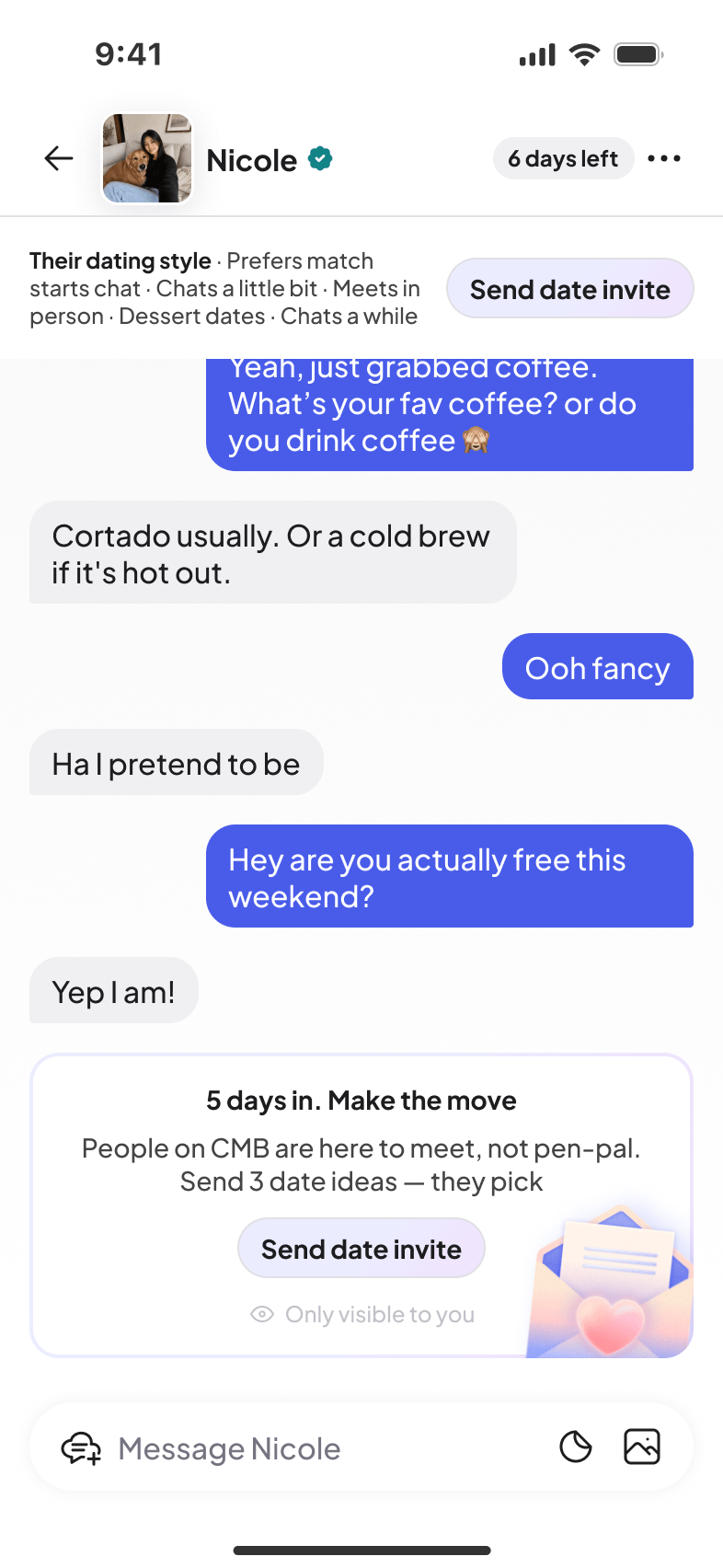
But how can the app make transforming online connections into offline sparks easier, instead of just keeping users glued to their screens? The CMB team shared that one user expressed a common grievance: endless online chatting without actually meeting. "I don't want a pen pal," the dater complained.
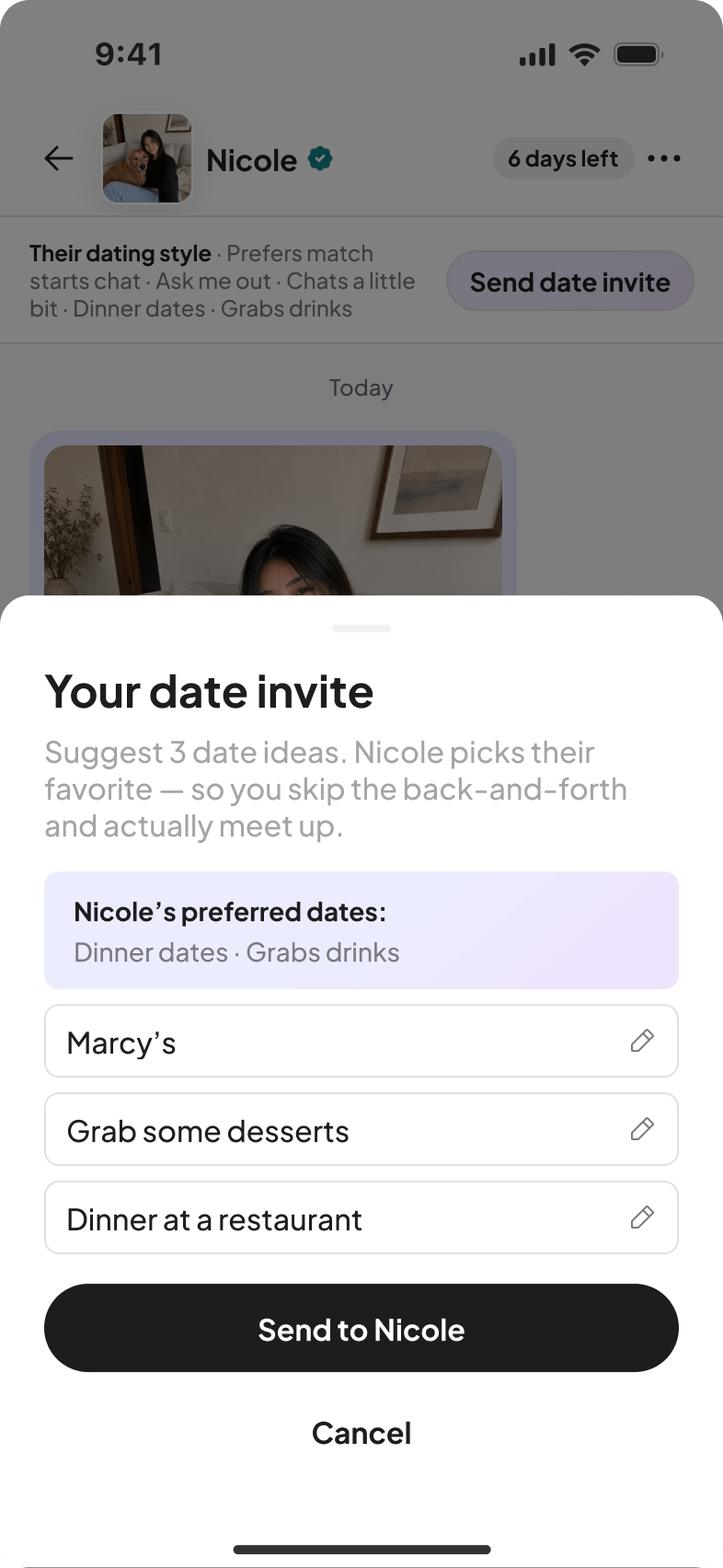
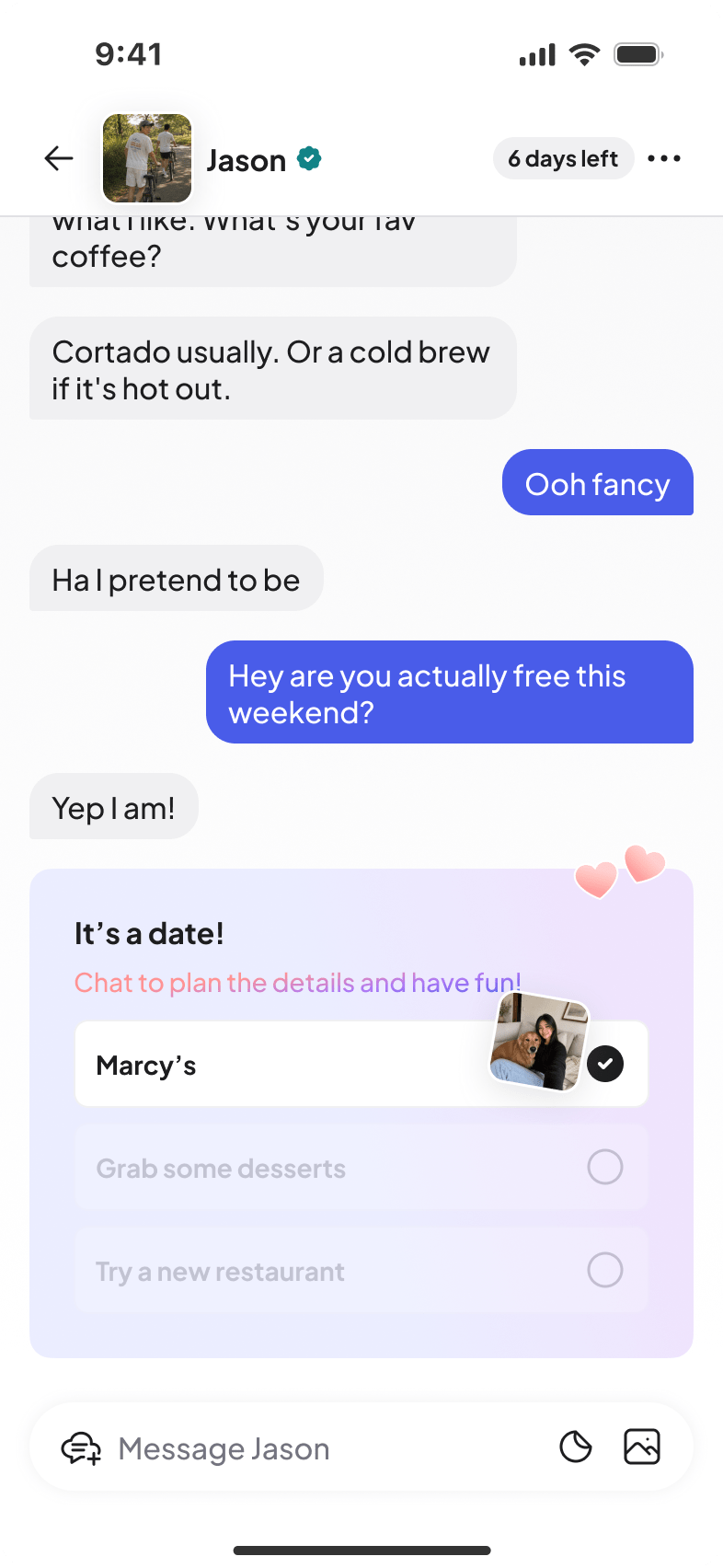
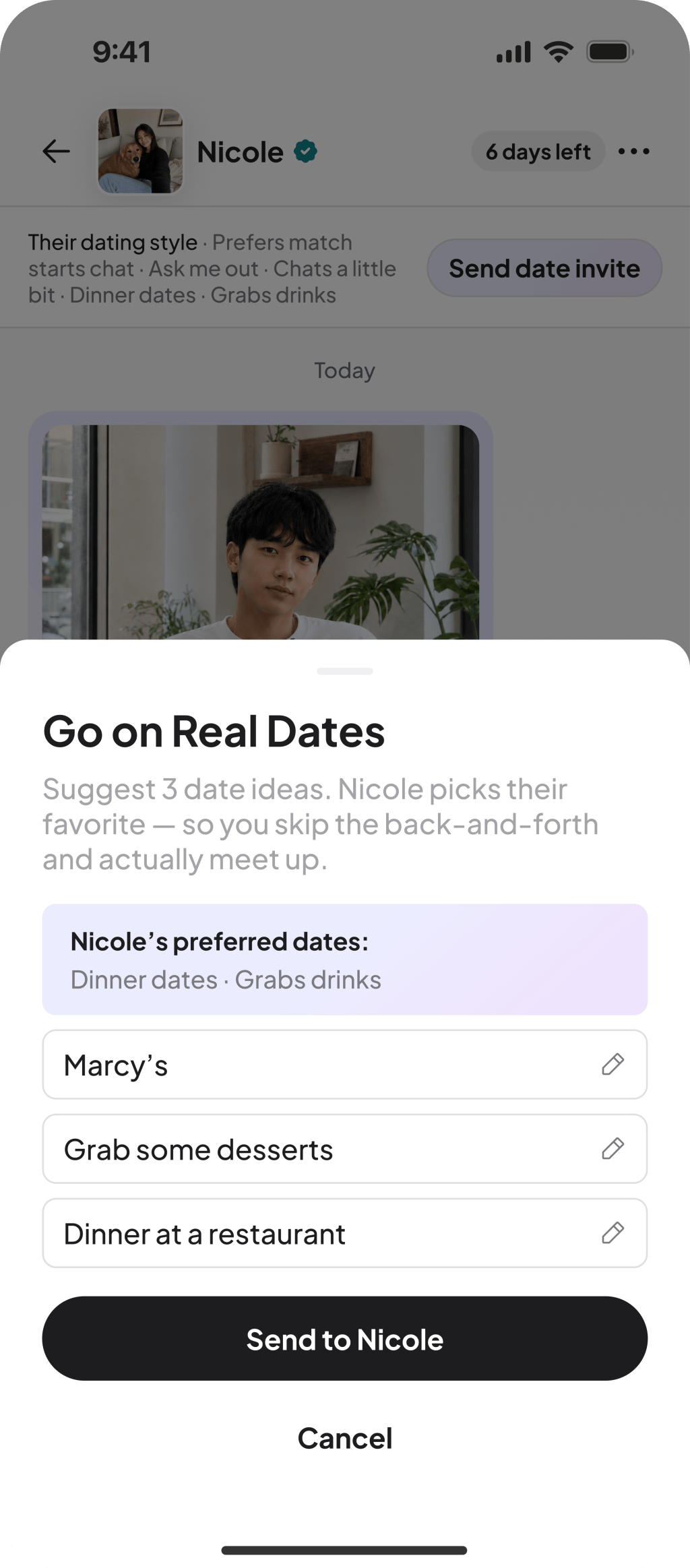
To bridge this gap, the team launched "Real Date," a feature that helps matches transition from chatting to meeting in person by surfacing dating preferences and suggesting activities that align with how both users like to date.
"The feature directly tackles one of modern dating's biggest drop-off points: the gap between matching and actually meeting offline," the team said.
This push towards real-world connection reflects a broader shift across the dating industry. As the younger generation reconsiders the meaning of online dating, competitors are following similar trajectories.
Bumble has introduced built-in features to help matches propose real-world meetups more smoothly, while Match Group—the parent company of Tinder and Hinge—has announced plans to host offline events in 75 cities by 2026.
Startups like Ditto have gone even further, merging the online dating model with offline events entirely, leveraging artificial intelligence to arrange in-person dates for college students.
These global industry shifts reflect a fundamental change in how people want to navigate romance: working professionals are not abandoning their dating apps, but they are demanding more from them.
They want technology to be a bridge to the real world, not a replacement for it.
”We design the app to help users get off the apps rather than stay on them,” Teo added, addressing the popular rumor that dating platforms deliberately keep users single to retain their database.
CMB's Smarter Matchmaking, powered by new machine learning, continuously learns from how daters interact in the app and how their preferences evolve over time.
Rather than optimizing for one-sided likes or superficial signals, the system is designed to prioritize mutual compatibility.
However, no matter how intelligent the machine learning becomes, apps can only help bridge the connections they facilitate, while the final step still requires a human leap of faith.
The future of dating in Hong Kong appears to be neither purely online nor entirely offline, but a hybrid of both. "My advice to singles is to always be open-minded," Shn offered.
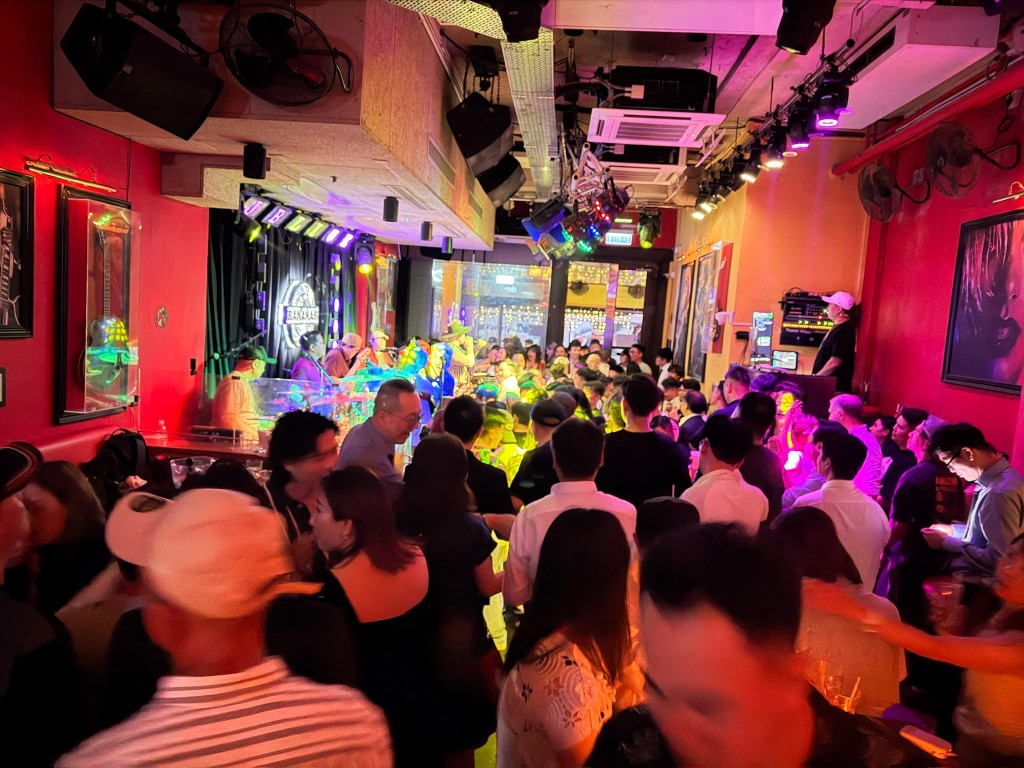
After a decade of algorithms and endless profiles, the most effective tool for finding a relationship in Hong Kong may not be a smarter app, but a willingness to embrace the unpredictable—on the court, at the club, or across a dinner table, without a screen in sight.