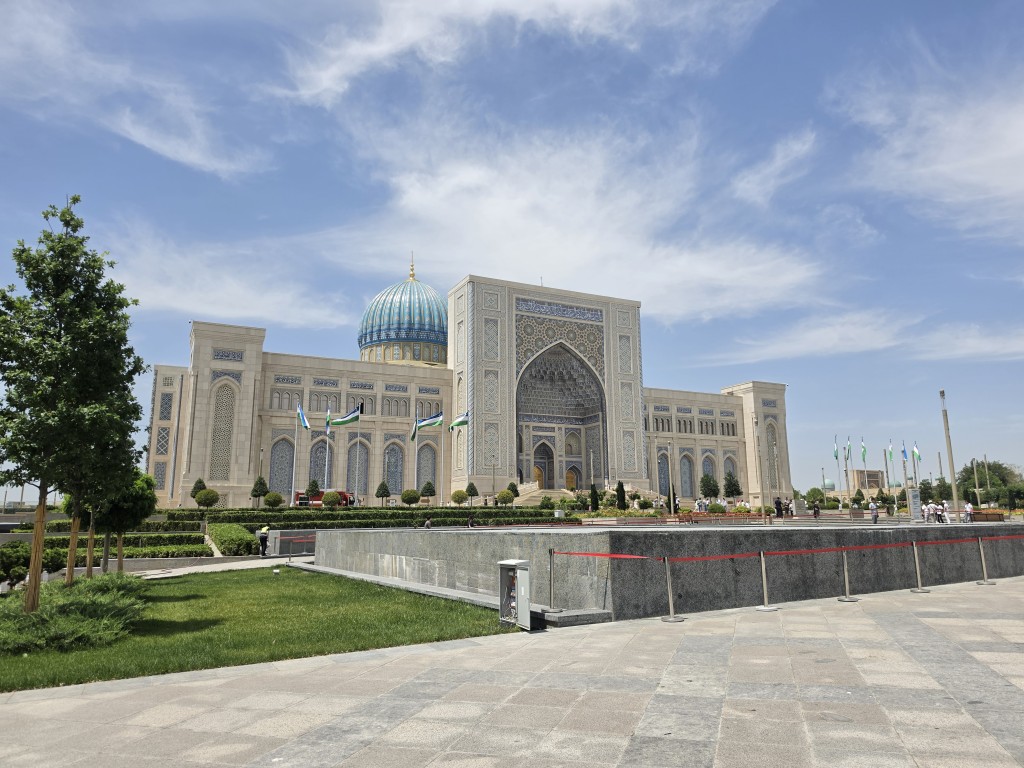
In the heart of the Uzbek capital Tashkent, a monumental new landmark is rewriting the narrative of Islamic art and history. The Center of Islamic Civilization, which at more than 50,000 square meters is certified as the world’s largest museum of its kind, is drawing crowds and challenging conventional perspectives on the region’s rich past.
While Islamic art enthusiasts often focus on Persian, Ottoman, and Mughal masterpieces, Central Asia’s pivotal role is frequently overlooked. This new center, which opened in March, has filled that gap by positioning Uzbekistan as a crucial link connecting these great cultures. In a nutshell, the center’s exhibits explain why today's Iranian, Turkic, and Indian Islamic cultures intersect.
This is not merely an art museum but a sprawling history museum chronicling 3,000 years of Central Asian history. Its narrative is structured into three distinct “renaissances.” The journey begins in the pre-Islamic era, moves through the First Muslim Renaissance (ninth to 12th centuries) following the arrival of Islam, and culminates in the Second Renaissance (14th to 16th centuries) before arriving at modern-day “New Uzbekistan.”
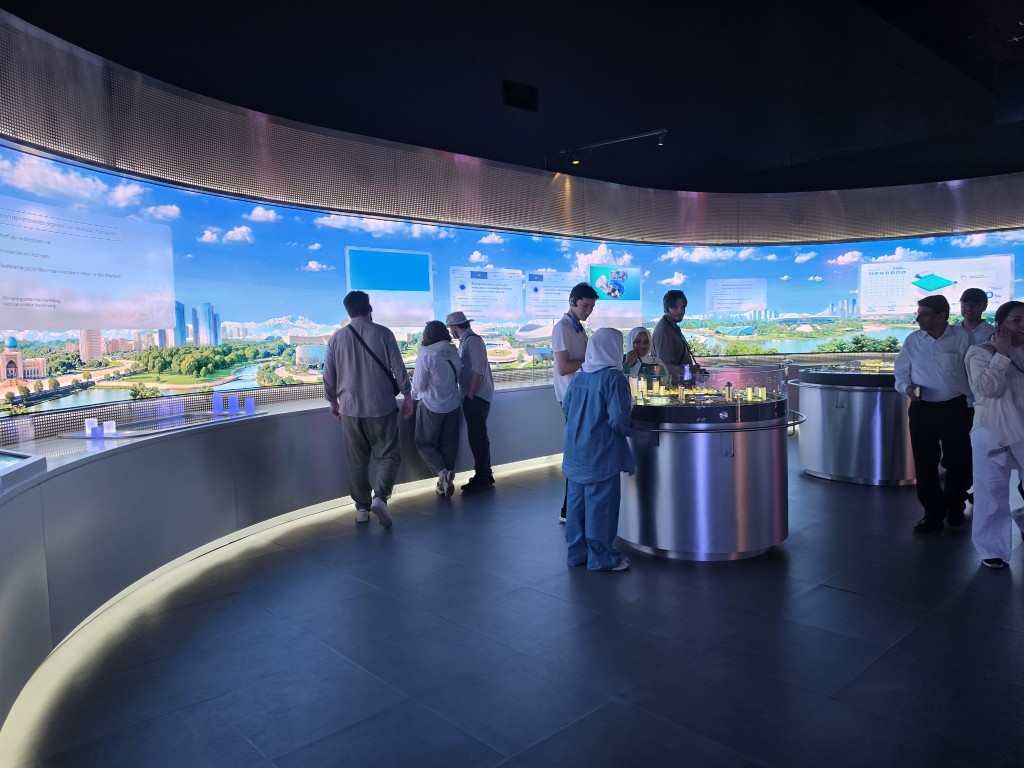
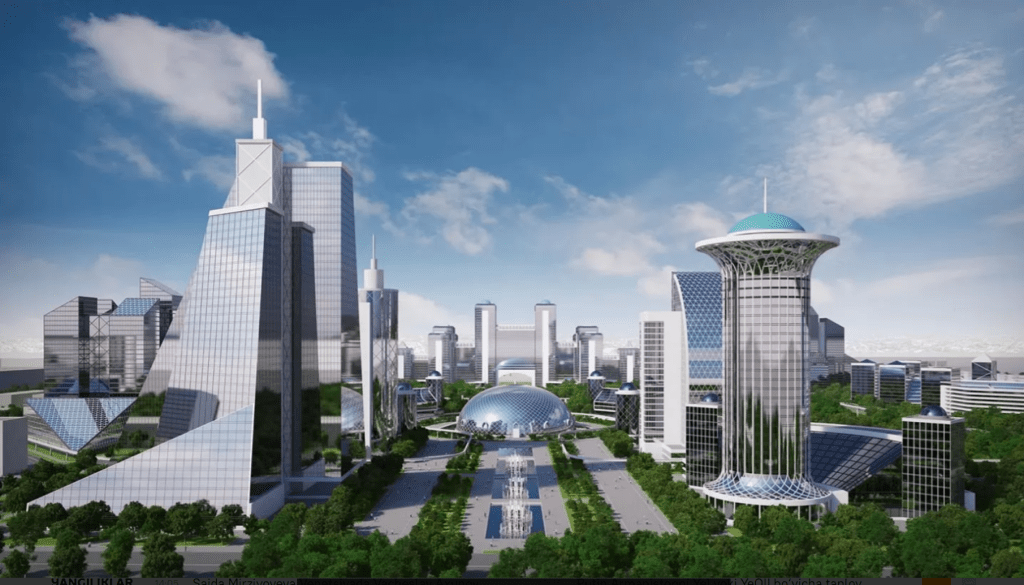
The section on modern-day 'New Uzbekistan.'
A crossroads of empires
The exhibits illustrate how the region became a melting pot. Visitors learn that Persia was once a vast empire stretching across Eurasia, far larger than modern-day Iran. Turkic peoples migrating from western China explain the linguistic influences across Central Asia. Turkic identity encompasses some 30 ethnic groups today, including Azerbaijanis.
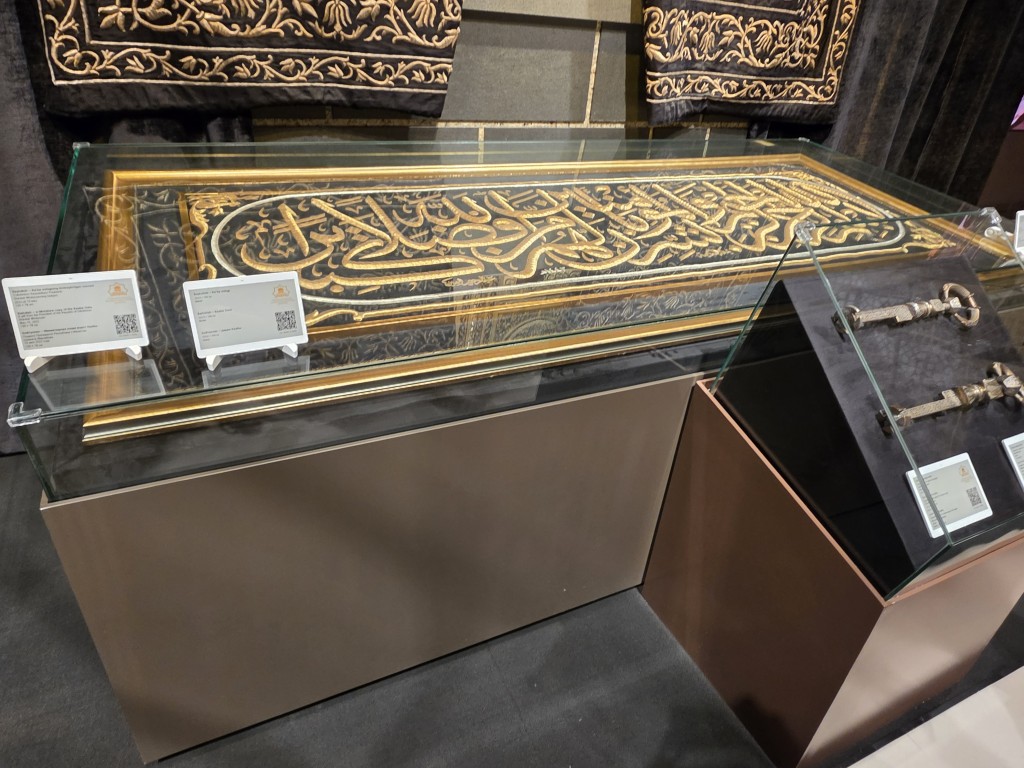
The door of Kaaba, a stone building at the center of Mecca, Saudi Arabia.
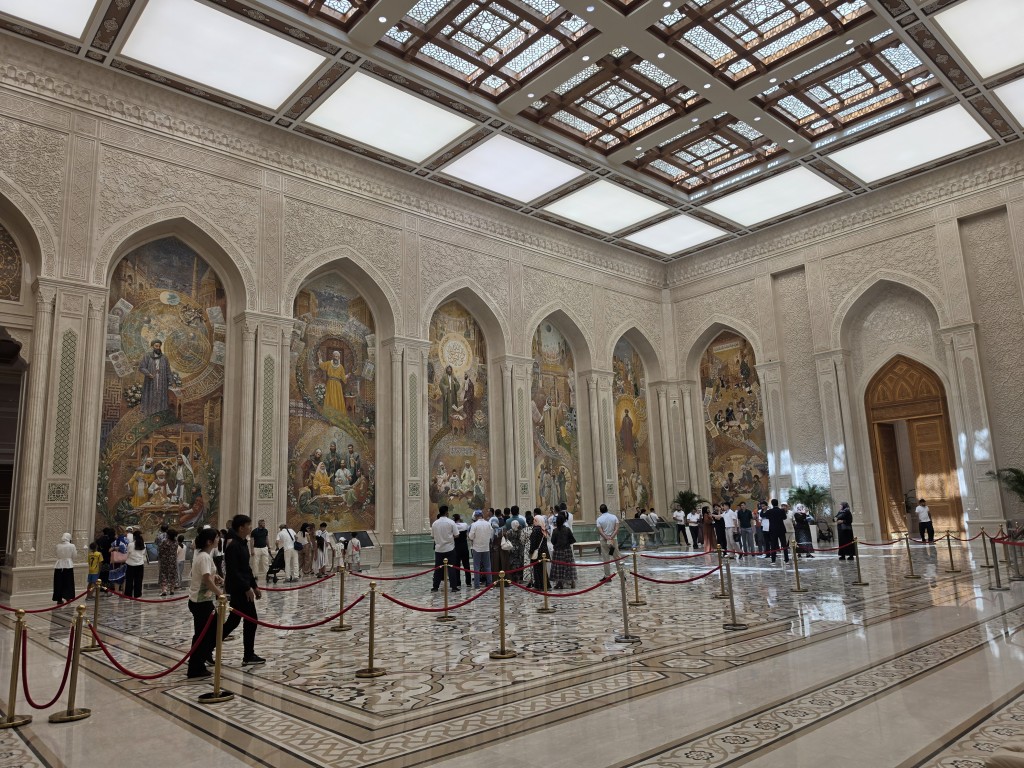
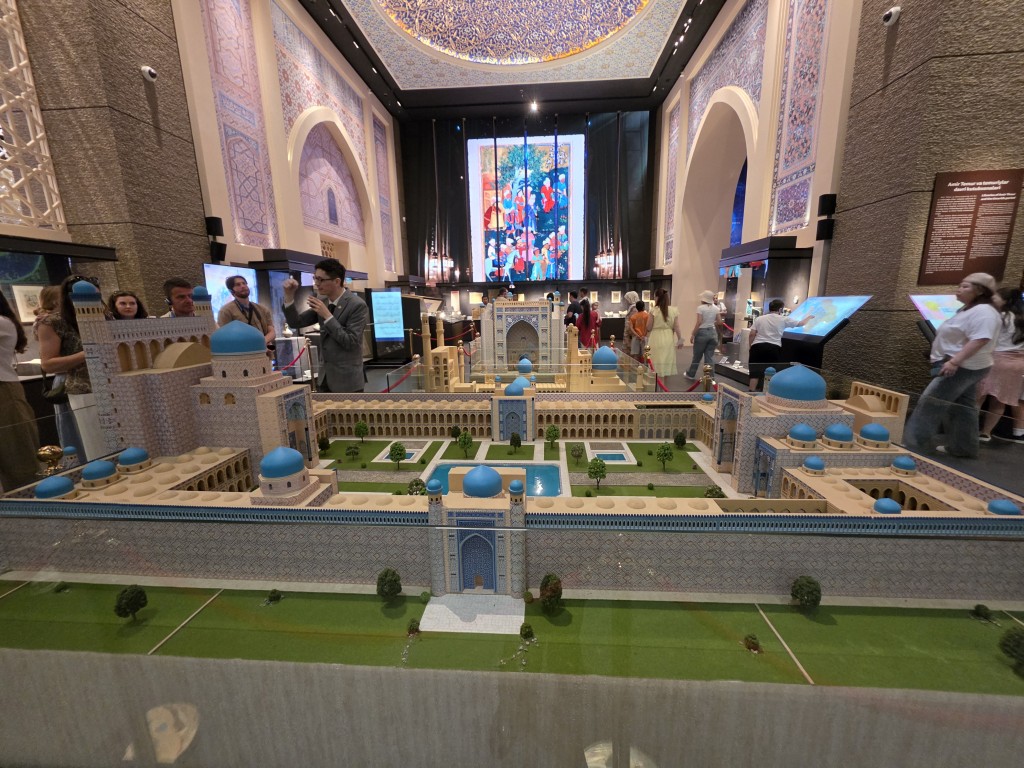
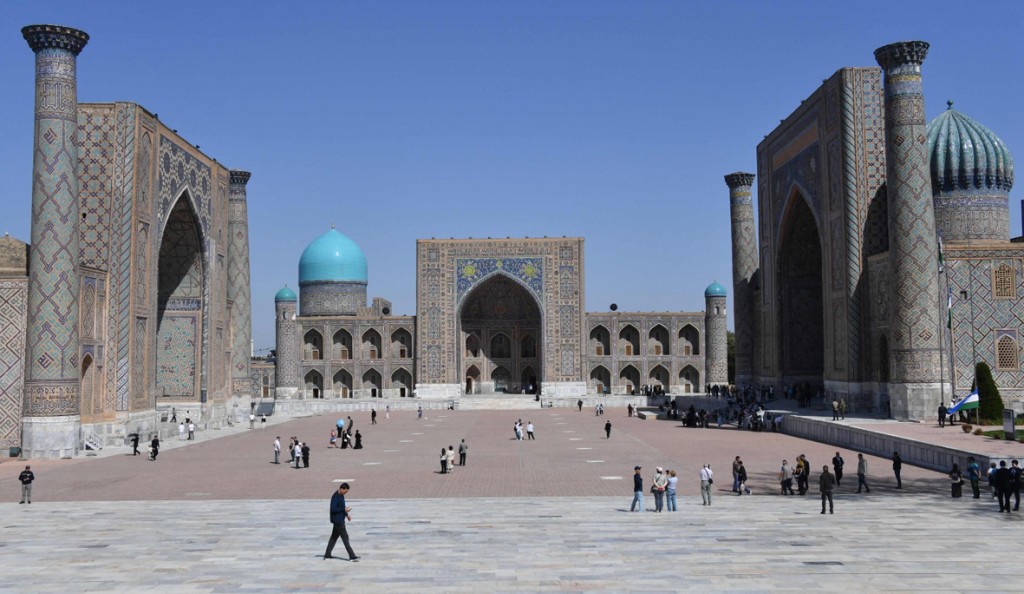
A central figure is Amir Timur (Tamerlane), a Turco-Mongol conqueror, who founded the Timurid Empire in 1370 at the capital Samarkand. Centuries later, his descendant Babur conquered the Indian subcontinent, carrying Islamic and Persian culture to found the Mughal Empire. This legacy is evident in Mughal architecture like the Taj Mahal, miniature paintings, and religious practices there. The center's Hall of Honor is adorned with vast mosaics depicting great scientists, philosophers, and poets of the Islamic world.
Pre-Islamic roots and Islamic flourishing
Positioned next to the historic Hazrati Imam complex, the center reflects a diverse religious heritage. Before Islam, Zoroastrianism was dominant, and Buddhism traveled through Central Asia to China. Exhibits range from Buddhist statues and depictions of the Zoroastrian supreme deity Ahura Mazda to coins from various eras, alongside Hellenistic influences from Alexander the Great’s conquests.
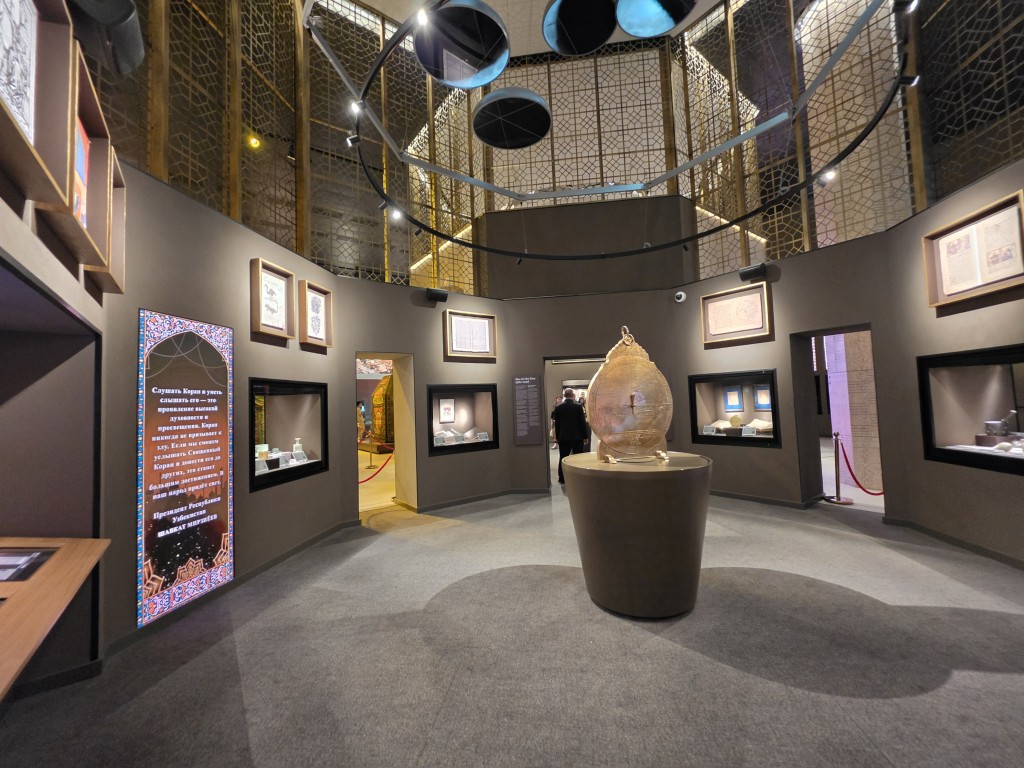
The Islamic section highlights the thriving of science and art. In the seventh century, Islam spread to Persia, where the rich culture was adopted and adapted. Key exhibits include legendary epics and manuscripts depicted through intricate miniature paintings. Beyond the arts, the center showcases advancements in cosmology, medicine, and algebra, manifesting the Islamic achievements.
The Qur'an and the visitor experience
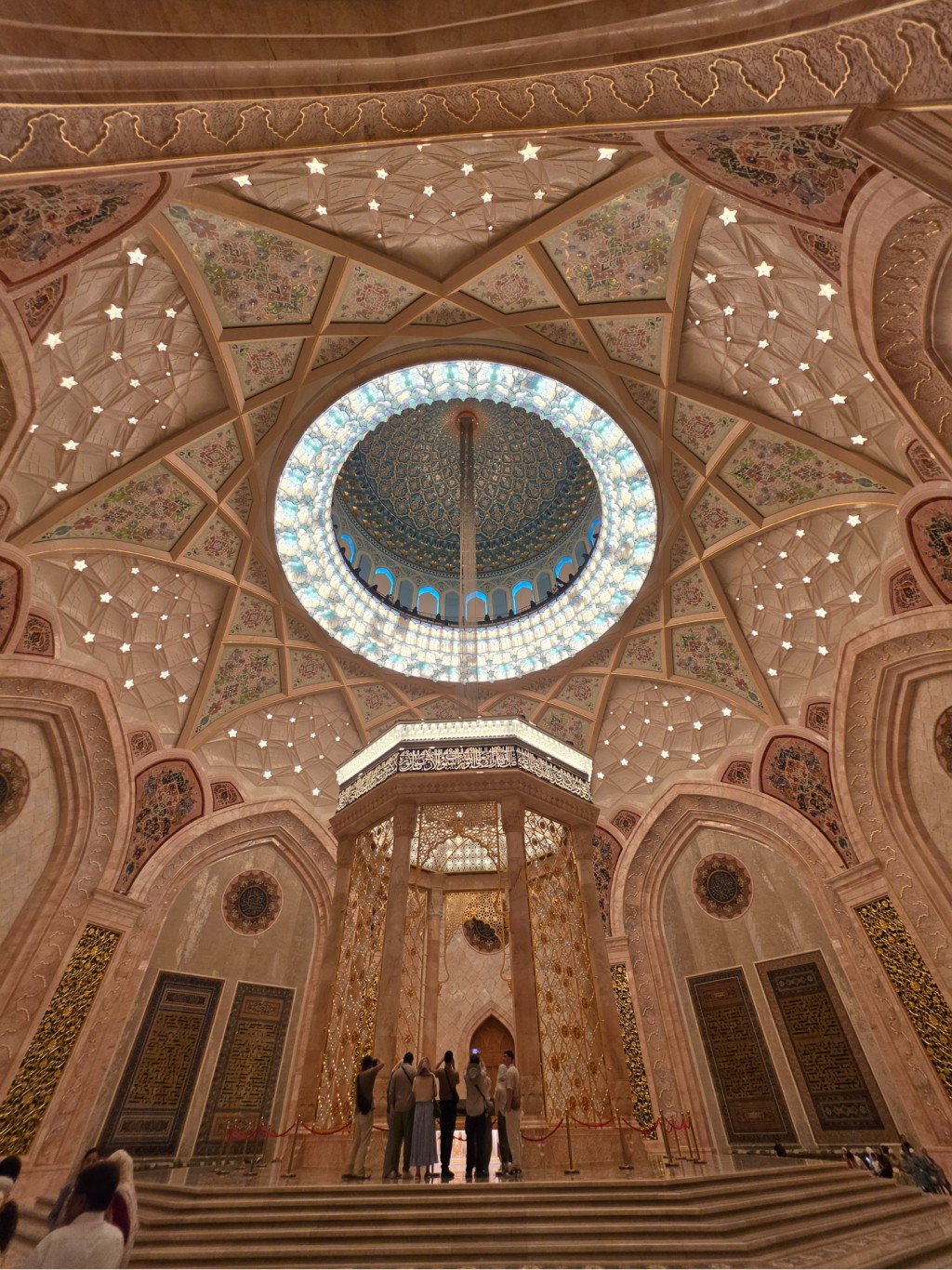
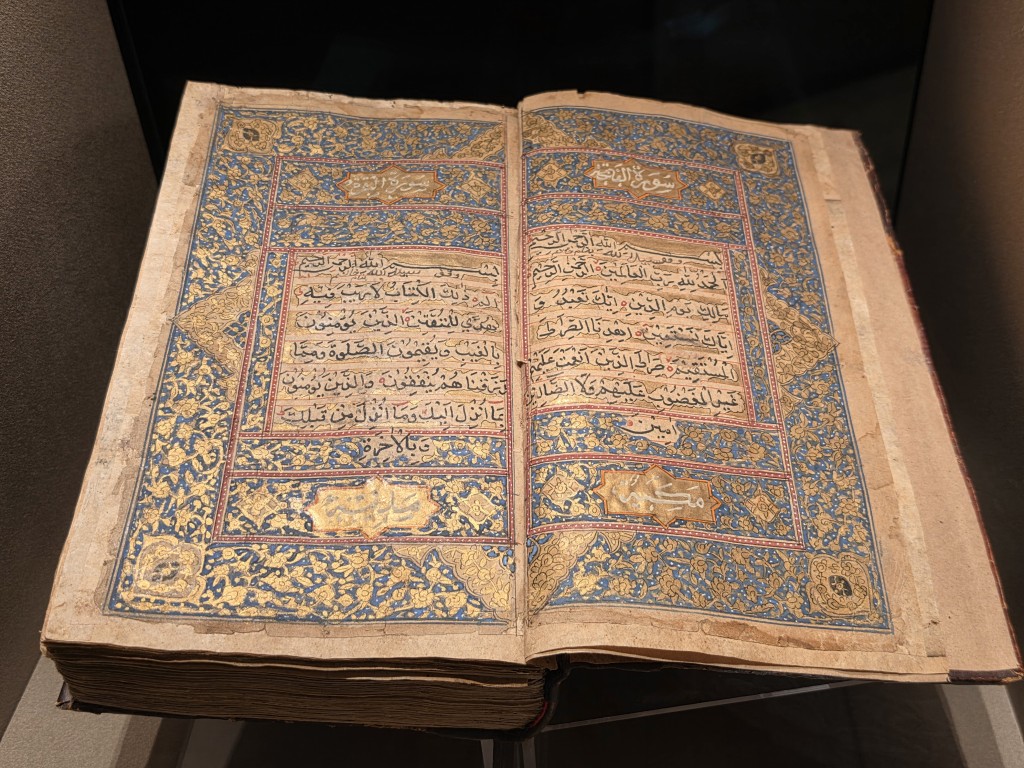
The tour culminates in the breathtaking Qur'an Hall, where a seventh-century sacred scripture is displayed in a spectacular light and music show beneath a dome over 60 meters high.
For now, the center operates solely on a guided tour system, with a two-hour visit costing approximately HK$200. A notable drawback is that visitors must leave immediately after the tour and cannot explore independently – a significant limitation for such an impressive museum.