The reported death of a 26-year-old Japanese fan of K-pop boy group ENHYPEN has sparked renewed debate over online harassment and the darker side of fandom culture.
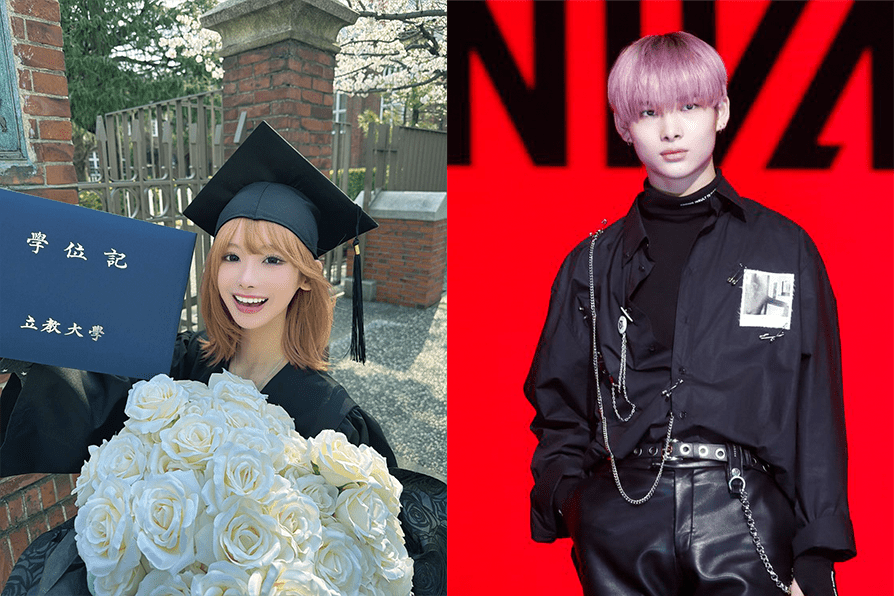
The fan, known online as “Mina,” was a supporter of member Nishimura Riki, also known as NI-KI. She was a frequent attendee of fan signing events and had built a sizable following on Instagram, gaining recognition within the fandom.
Mina reportedly faced intense online criticism following a concert-related controversy involving NI-KI.
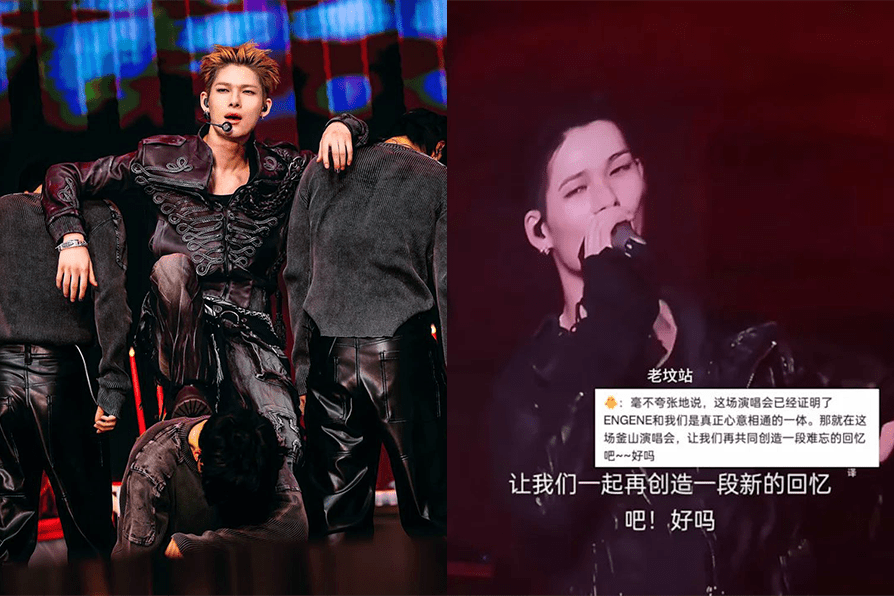
According to Chinese media reports, the controversy began after an ENHYPEN concert in late July, when Mina allegedly hoped that member Kim Seon-woo (Sunoo) would pass a sunflower prop to NI-KI during the performance. Sunoo reportedly attempted to hand the sunflower to NI-KI, but the exchange ended after NI-KI did not take it.
NI-KI later discussed fan interactions at the concert during a livestream, subtly expressing his hope that fans would focus more on the performance itself rather than individual interactions. Although he did not name anyone, some fans speculated that he was referring to Mina.
Mina was subsequently criticised online, with some fans accusing her of crossing boundaries. Although she later apologised publicly, the backlash reportedly continued. Chinese media reported that she later engaged in a self-harm incident during a livestream and was confirmed dead by friends.
The incident has divided fans, with some calling for empathy and arguing that a person’s death should not be reduced to a fandom dispute, while others defended NI-KI, saying he should not be held responsible for the controversy.
Cyrus Ng, a researcher and content creator specialising in K-pop and Korean culture, told The Standard that intense competition for idols’ attention can fuel conflicts within fan communities.
“Some fans are not only seeking to support idols, but also hoping to gain unique recognition,” Ng said. “When fans perceive others as crossing boundaries, collective criticism can turn into online attacks.”
He added that idols’ comments can sometimes be amplified and used by fans to target individuals, creating a form of “online public shaming.”
Ng said social media platforms should strengthen moderation against harassment and coordinated attacks, while entertainment agencies should promote healthier fan culture and establish clearer boundaries between idols and fans.
“Without proper guidance, fandom communities can become increasingly toxic,” he said.