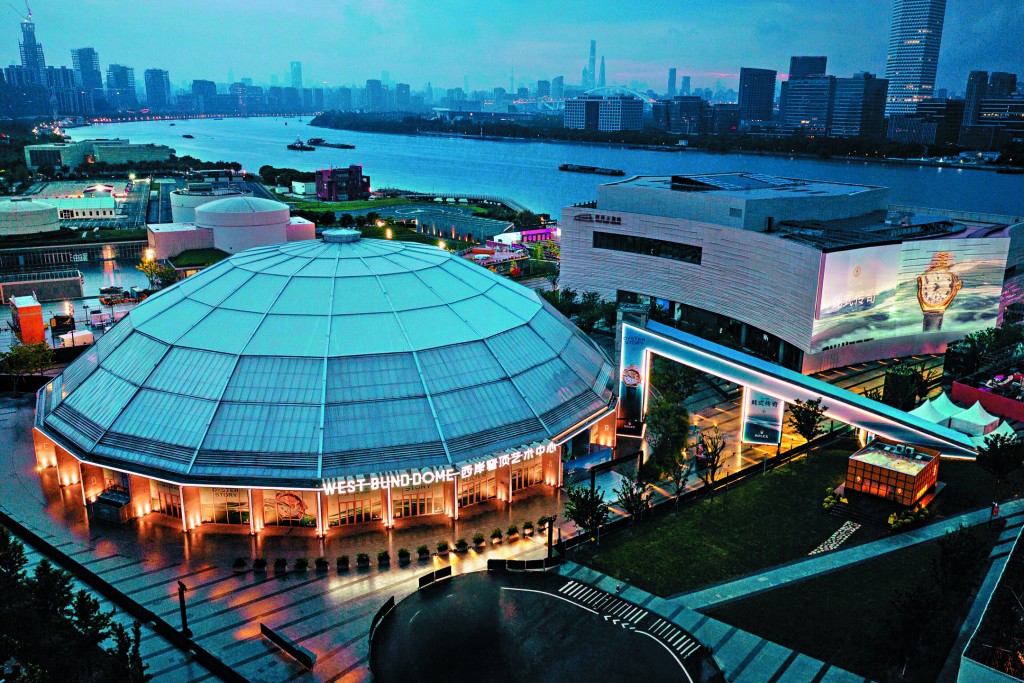
Rolex marked the 100th anniversary of its Oyster watch with a global-first exhibition in Shanghai, inviting visitors to trace the story of one of modern watchmaking’s most influential designs.
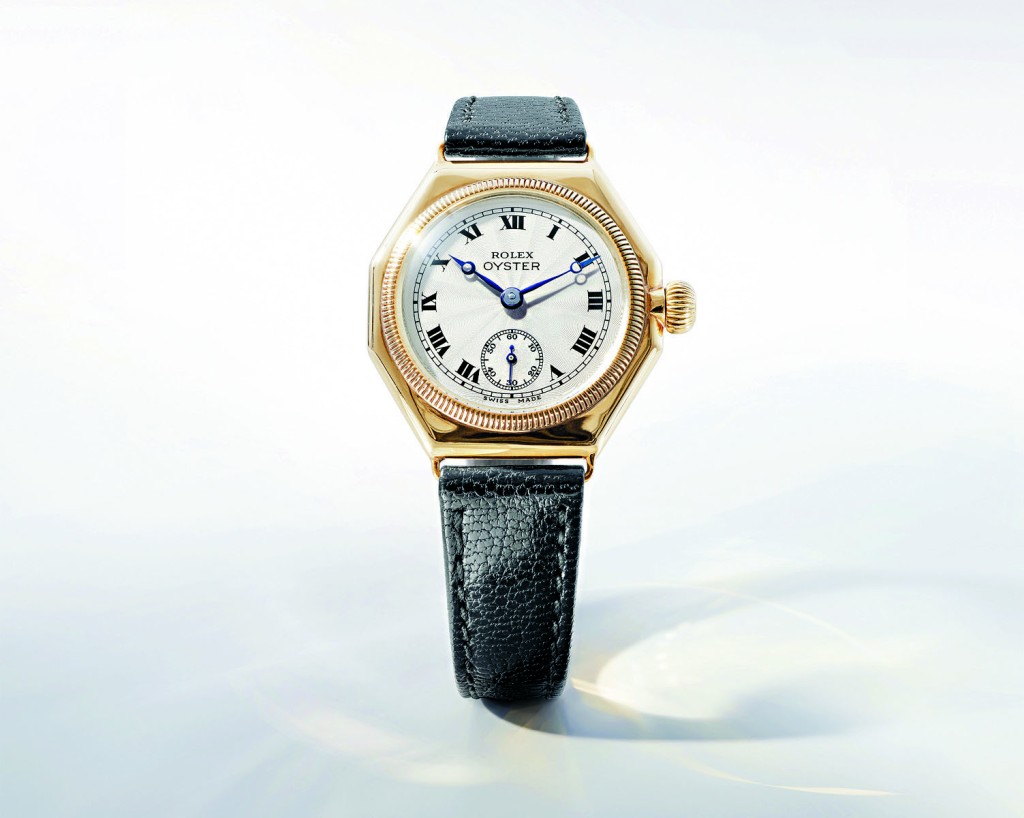
The Oyster Story exhibition looked back to the birth and evolution of the Oyster, the waterproof wristwatch introduced by Rolex in 1926.
The Oyster’s story began in the early 20th century, when Rolex founder Hans Wilsdorf saw the wristwatch becoming an essential part of modern life. At the time, wristwatches were vulnerable to water, dust and humidity. Wilsdorf’s answer was a sealed case, with the bezel, case back, and winding crown screwed tightly into the middle case to protect the mechanism inside.
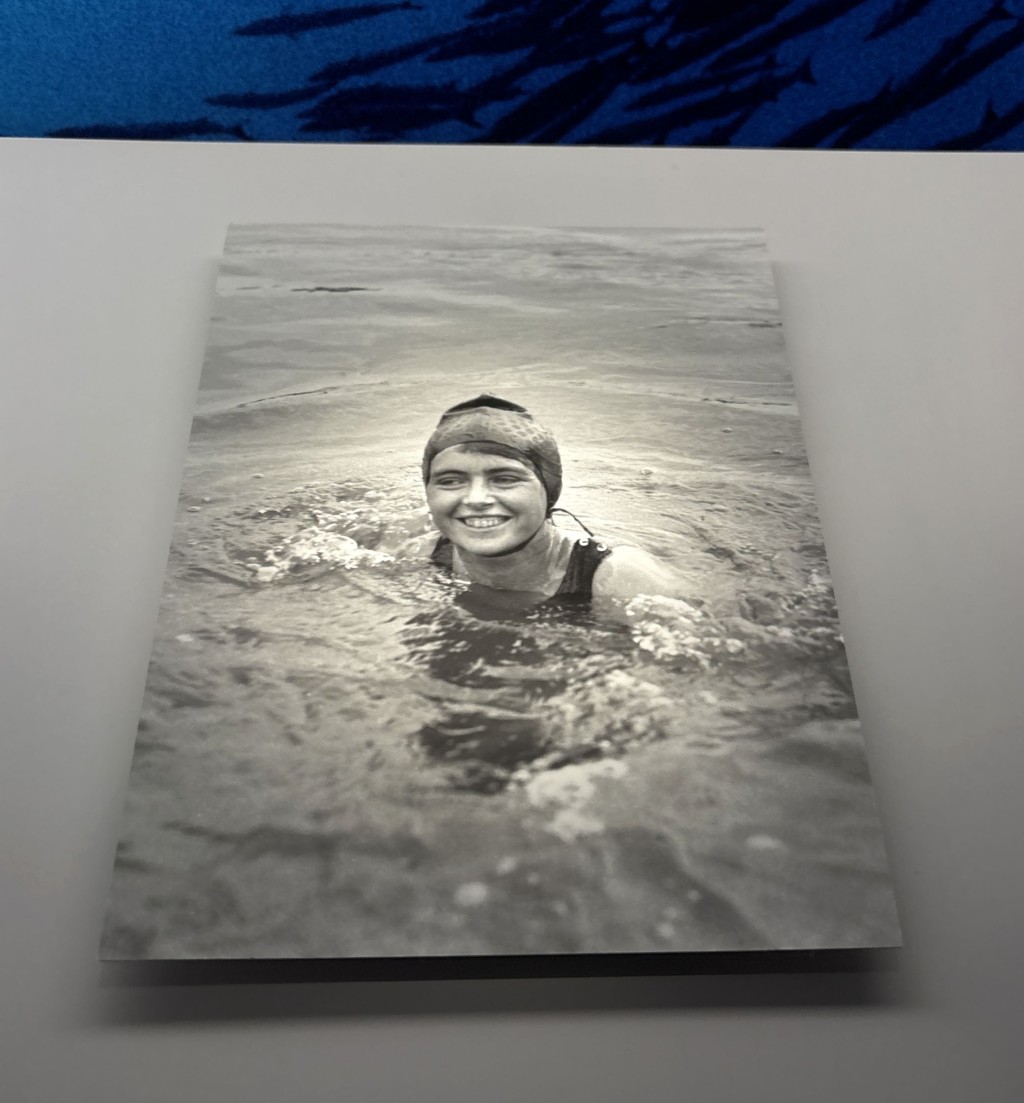
Launched in 1926, the watch was named Oyster for its tightly sealed structure. A year later, British swimmer Mercedes Gleitze wore an Oyster while swimming across the English Channel. After more than 10 hours in seawater, the watch continued to function accurately, helping establish the Oyster as a landmark in waterproof watch design and making Gleitze Rolex’s first brand ambassador.
The Shanghai exhibition presented that century-long journey through a series of themed spaces combining archival materials, historic watches, immersive displays, and film.
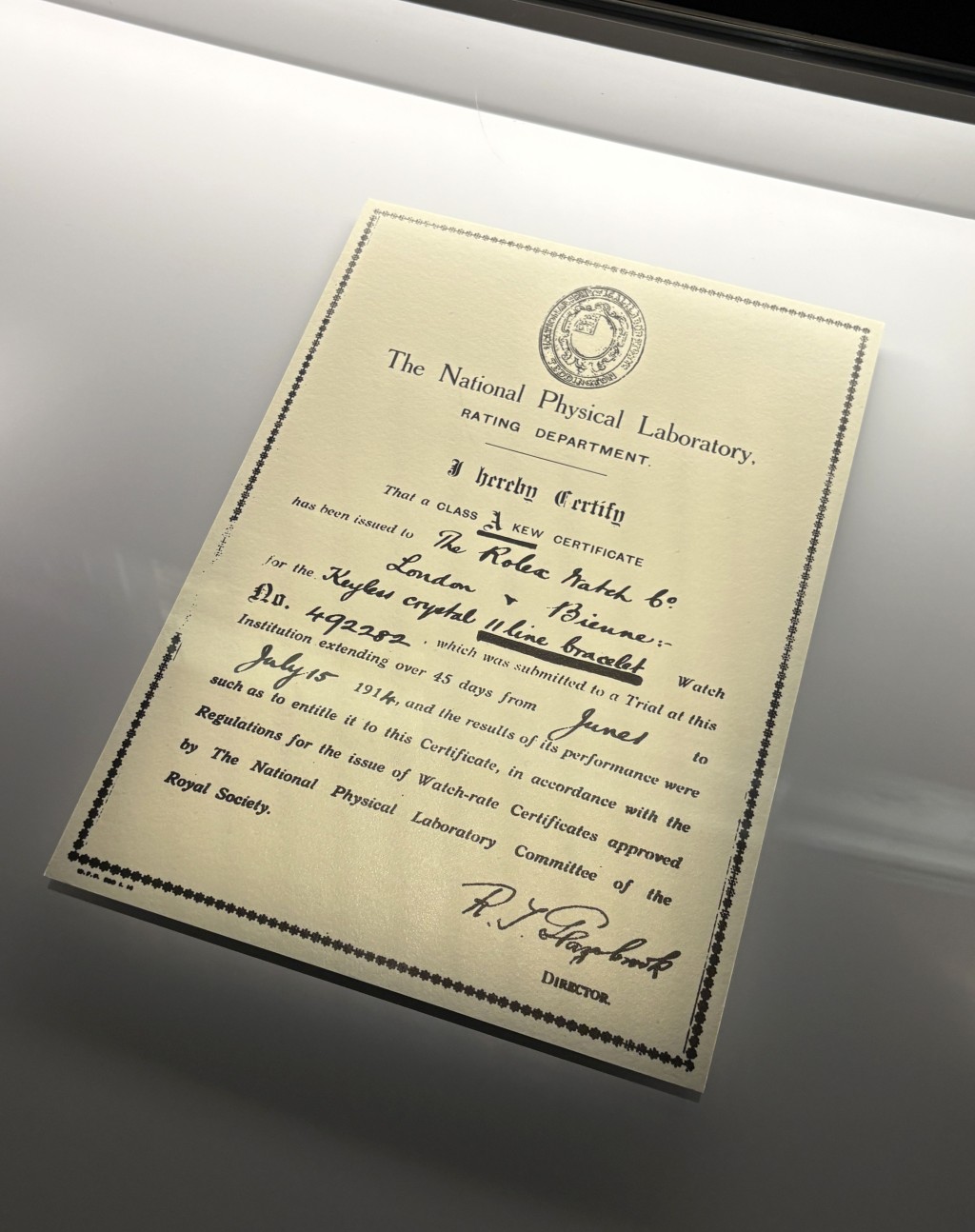
At the center of the venue was the two-level main pavilion, where the ground floor introduces the history of Rolex and the creation of the Oyster through photographs, certification documents, sketches, and records.
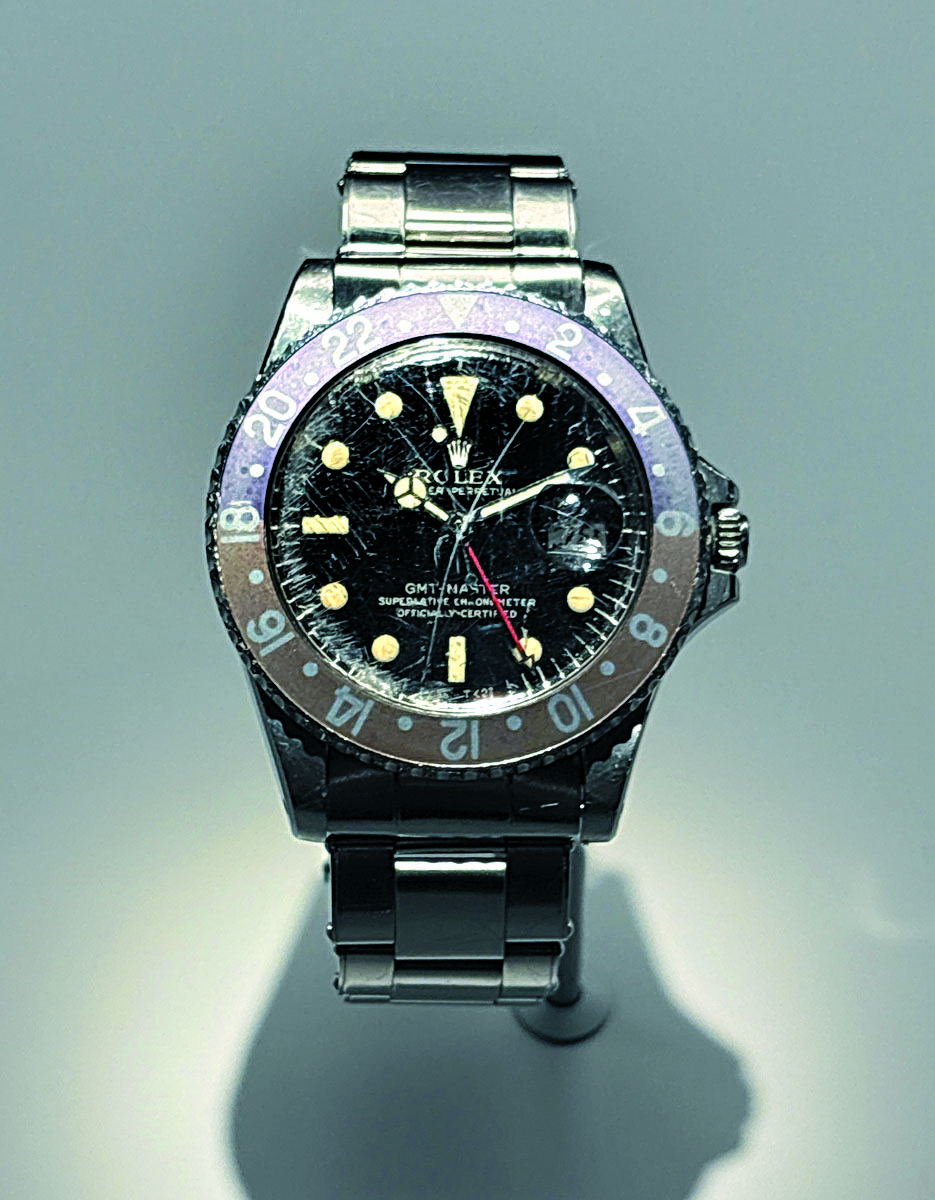
Visitors could also see the evolution of Oyster watches across different fields of exploration, sport, and daily wear. Highlights include the first Oyster worn by Gleitze during her English Channel swim in 1927, an early experimental deep-sea model, and heritage and contemporary pieces from lines such as the Submariner, Sea-Dweller, Explorer, Cosmograph Daytona, Yacht-Master, and GMT-Master.
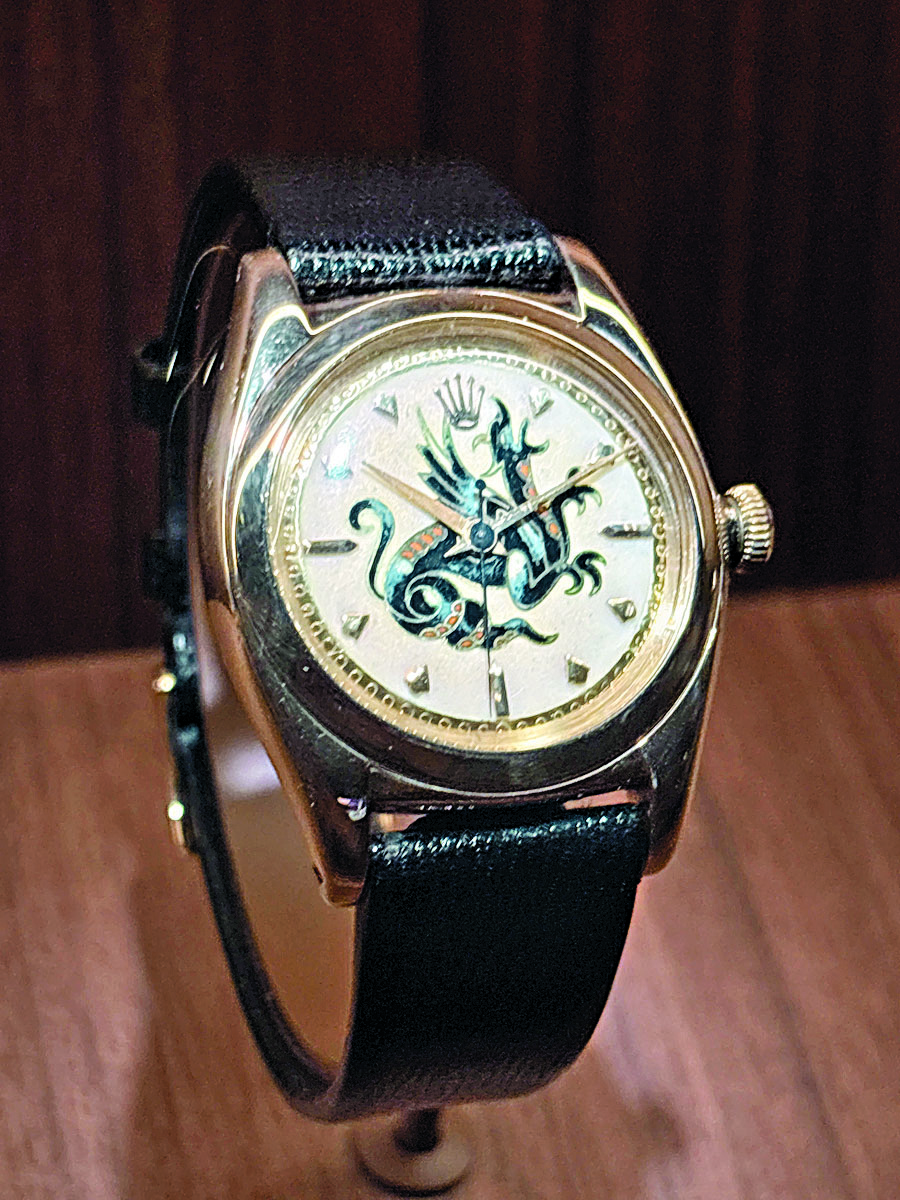
Some privately loaned watches from collectors were also on display, offering a broader look at how the Oyster has moved from a technical breakthrough to a lasting design language across generations.
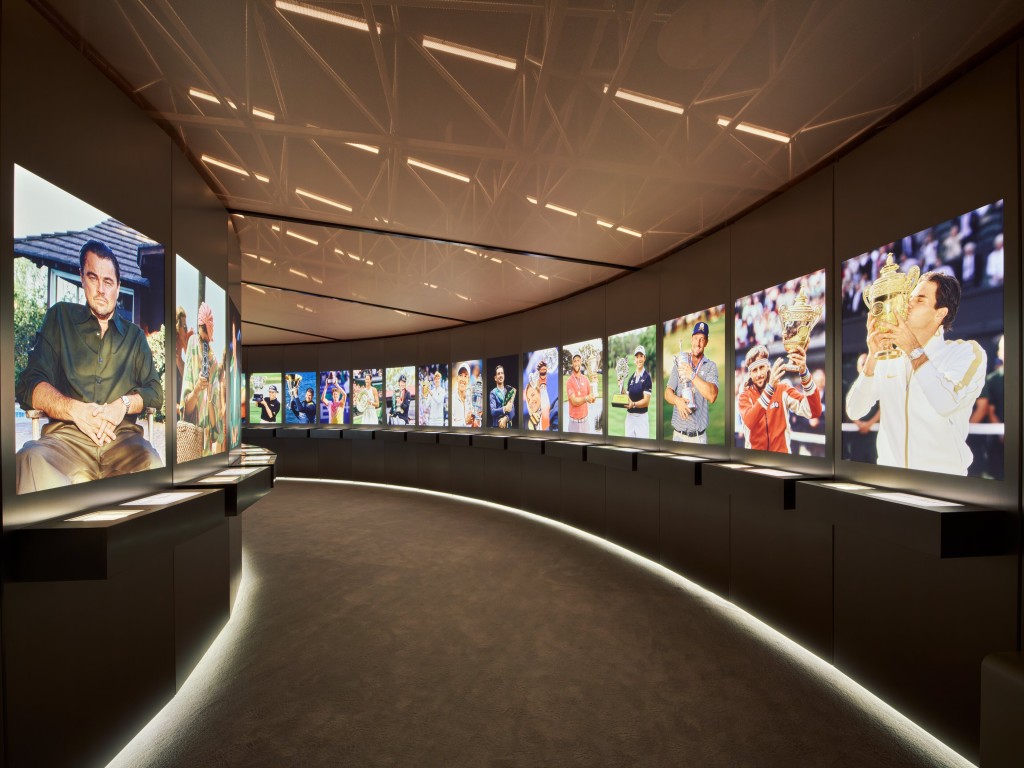
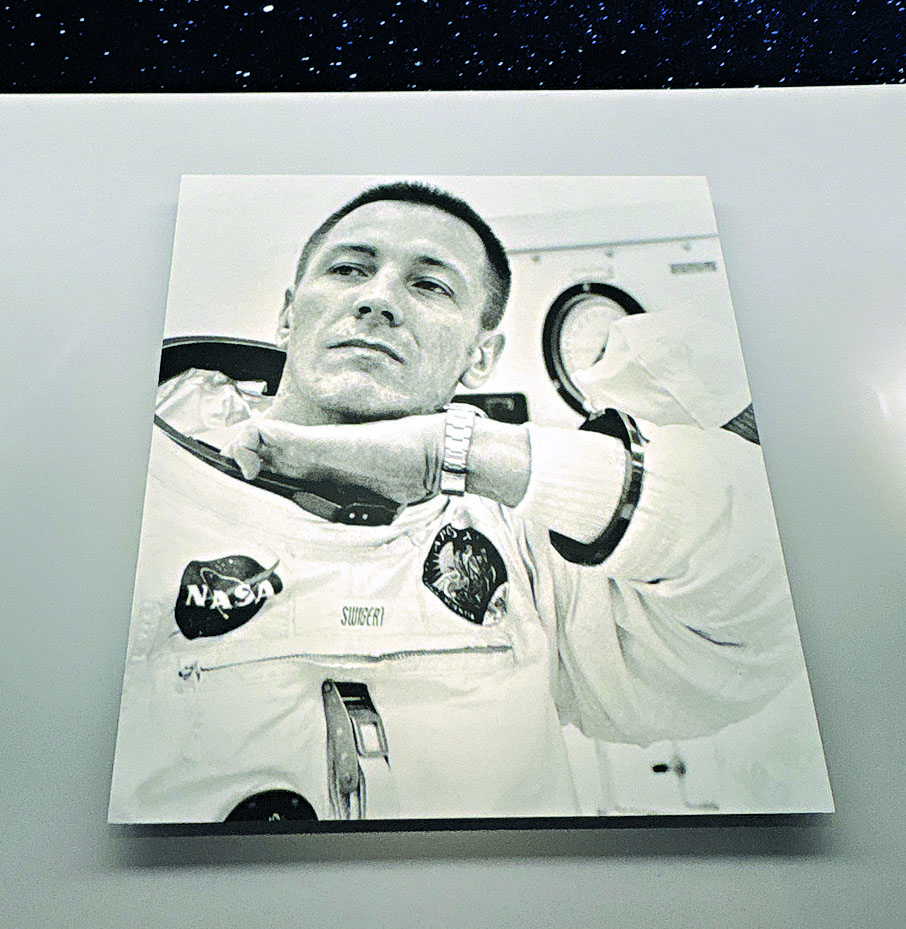
The upper floor of the main pavilion turned the focus to people, displaying portraits of 100 figures closely connected with Rolex, alongside watches they have worn.
The section gave the exhibition a more personal rhythm, showing how the Oyster has accompanied athletes, artists, explorers, and cultural figures through different moments of achievement.
Another major section, the Superlative pavilion, explored the making of an Oyster watch.
Through design sketches, original components, and structural details, visitors could look more closely at the craftsmanship behind the case, movement, and finishing. An immersive installation also introduced the precision of optical atomic clocks, connecting the exhibition’s heritage narrative with the wider pursuit of timekeeping accuracy.
The cinema room screened films on the history of the Oyster, while the Library Lounge offered publications covering watchmaking, sport, art, and environmental protection, giving visitors a quieter space to explore the wider world surrounding Rolex.
With its mix of historic milestones, rare watches, and carefully staged installations, Oyster Story was more than a centenary display. It presented the Oyster as a watchmaking idea that began with protection and precision, which then grew into a symbol of endurance across oceans, mountains, racetracks, and everyday life.