Read More


Chikungunya in China: What you need to know
06-08-2025 13:29 HKT


Top 15 hydrating fruits and vegetables
22-06-2025 14:21 HKT

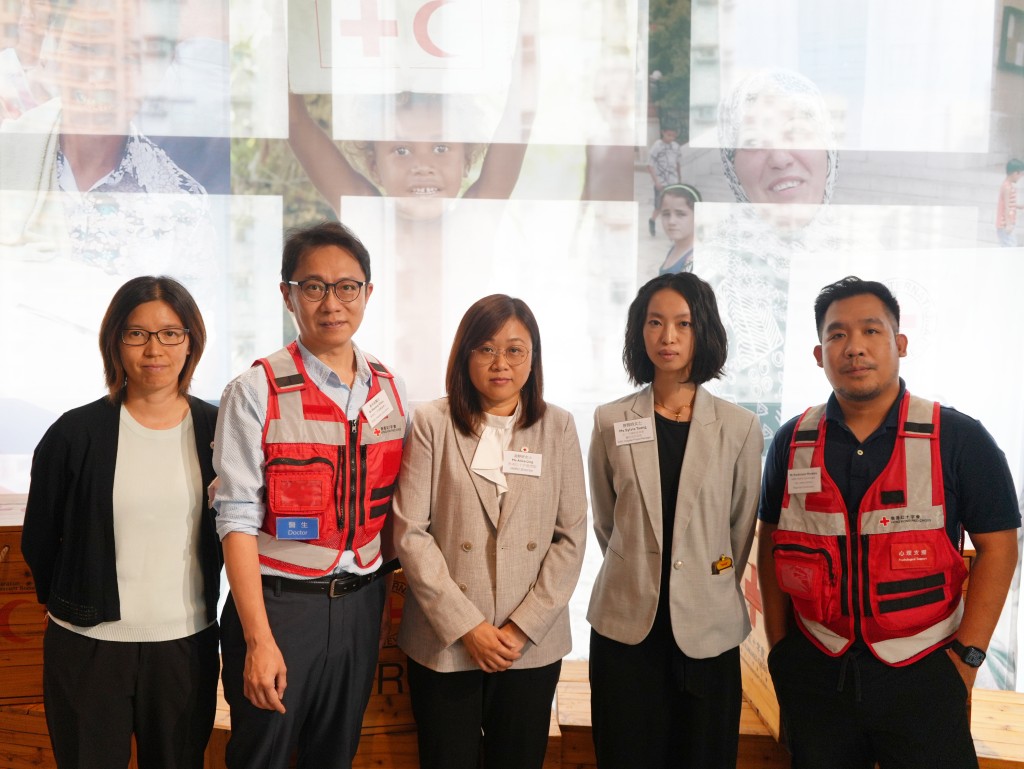



Five cases of invasive meningococcal infection have been recorded in Hong Kong this year, a paediatric infectious diseases physician said, noting that children aged five and under are among the higher-risk groups.
President of the Asian Society for Paediatric Infectious Diseases, Mike Kwan Yat-wah, expressed concern that the number of cases has reached the average of five per year seen over the past decade.
He noted an upward trend in cases in mainland, the United Kingdom, the United States and Australia, recommending that individuals traveling or staying long-term in these regions receive preventive vaccinations.
Meningococcal infection is caused by the bacteria Neisseria meningitidis. Kwan stated that the bacteria are mainly transmitted through respiratory droplets from sneezing, and that young children and the elderly are high-risk individuals.
He noted that the disease presents symptoms similar to the common cold, with some carriers showing no symptoms, making it easy to spread in the community. In severe cases, it can lead to sepsis.
Kwan urged patients to be particularly vigilant if they notice any rashes on their bodies.
He suggested using a glass cup for testing: “Gently press the glass cup against the rash. If the red spots fade, it indicates vascular dilation, such as in conditions like petechiae or skin irritation.
“However, if rolling the cup over the skin does not make the rash disappear and it persists, caution is warranted. Additionally, if there are other symptoms like fever, sore throat or changes in mental status, these could indicate a serious case of meningococcal disease,” he warned.
Kwan noted that if the bacteria invade the brain, the disease can progress rapidly, potentially leading to death within a day.
He stated that severe patients may experience long-term effects, even after slow recovery, such as damage to the nervous system, hearing or vision, and some may require amputations.
To prevent infection, he emphasized the importance of maintaining a balanced diet, engaging in regular exercise, and getting adequate rest, as well as keeping hands clean. He also advised wearing a mask if experiencing respiratory symptoms.
Kwan stated that experts from 14 regions, including the mainland, Hong Kong, Taiwan, the UK and Australia, recommend that infants and young children consider vaccination based on their individual circumstances.
(Cheng Wong)