A novel combination therapy that integrates an Antibody-Drug Conjugate (ADC) with Immunotherapy (IO) has been approved in Hong Kong as a first-line treatment for patients with unresectable or metastatic urothelial cancer, the most common form of bladder cancer.
For nearly four decades, platinum-based chemotherapy has been the standard first-line treatment for this aggressive disease. However, survival rates have remained disappointingly low, with fewer than half of patients living beyond 18 months after treatment, highlighting the urgent need for more effective options.
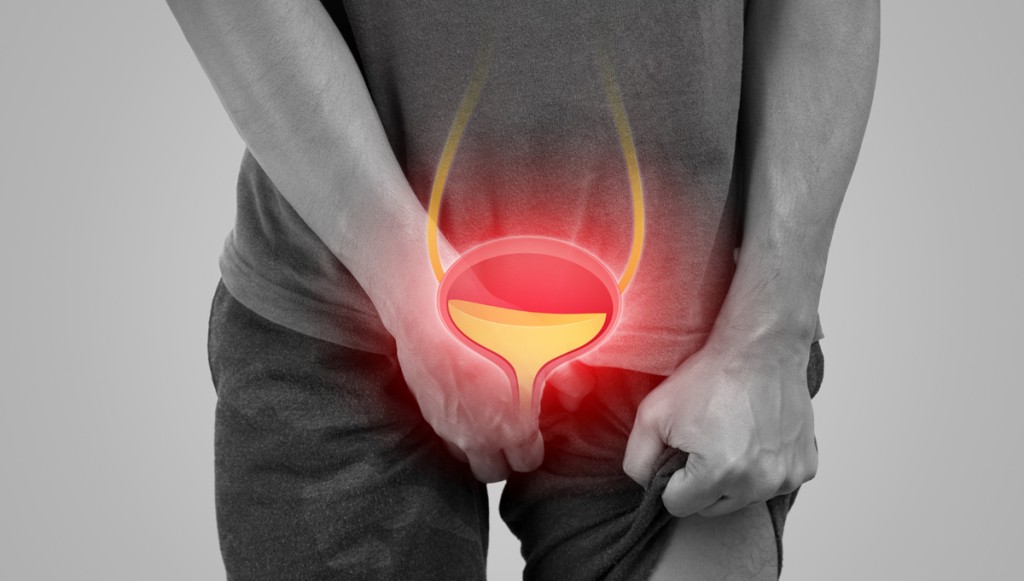
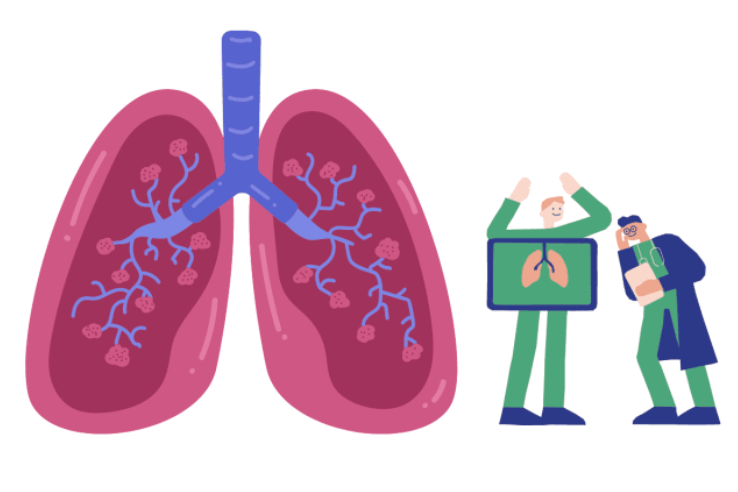
Advanced bladder cancer occurs when the tumour has spread beyond the bladder lining to surrounding tissues, lymph nodes, or distant organs such as the lungs, liver and bones, and it claims around 200 lives yearly in Hong Kong. The disease disproportionately affects men aged between 55 and 70, with about 400 new cases diagnosed annually and a male-to-female ratio of approximately 3:1.
Traditional chemotherapy can cause severe side effects and is often unsuitable for many patients who have other health issues like impaired kidney function. Even with treatment, disease progression and recurrence are common, underscoring the need for innovative therapies that can improve both survival and quality of life.
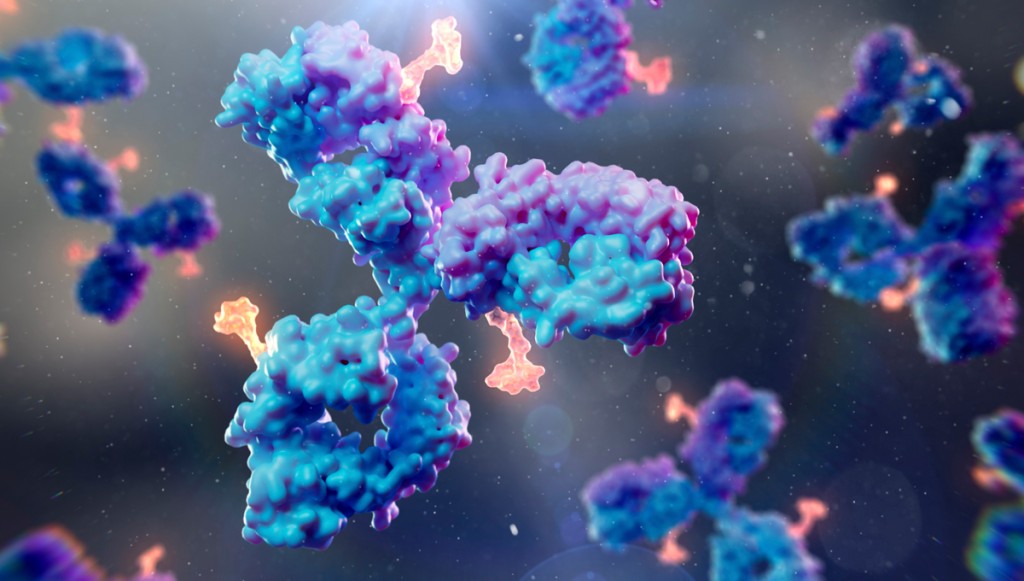
This newly approved therapy combines two advanced approaches: an Antibody-Drug Conjugate, which precisely delivers potent anticancer drugs directly to tumour cells while sparing healthy tissue, and Immunotherapy, which stimulates the body’s immune system to more effectively recognize and attack cancer cells. These two modalities act synergistically to improve treatment outcomes.
Partouche Aurelie, General Manager of Astellas Hong Kong, said the combination therapy represents a major advancement in bladder cancer care. “By integrating ADC with Immunotherapy, we anticipate offering patients a more effective and durable treatment option,” she added.
The approval followed promising phase III clinical trial results showing a 53% reduction in risk of death and nearly doubling median overall survival from 16.1 to 31.5 months compared with chemotherapy. The risk of disease progression also dropped by 55%, with median progression-free survival extending to 12.5 months, almost twice that of chemotherapy. The objective response rate was 67.7%, with nearly half of the responders maintaining disease control for two years or longer, demonstrating lasting benefit.
Significant efficacy was observed across Pan-Asia, including patients from China, Japan, Singapore, South Korea, Taiwan and Thailand. The combination therapy reduced the risk of disease progression or death by 70%, with overall response rates more than double that of chemotherapy (72.2% vs. 35.0%), illustrating its broad clinical impact.
Gavin Poon, Head of Medical Affairs at Astellas Hong Kong, described the approval as a historic milestone. “The therapy has earned the highest recommendations in international guidelines such as the ESMO and EAU, and the Pan-Asian clinical data further validate its efficacy. This is scientific progress translating into improved patient care for the region,” he said.
Given the ongoing challenges bladder cancer poses locally, the introduction of this treatment option brings renewed hope to patients living with advanced disease.