The brothels look brighter, the alleyways cleaner, and a stirring soundtrack accompanies the protagonists. But a new Bollywood film set in Mumbai's red-light district has struck a chord with India's one million or so sex workers.
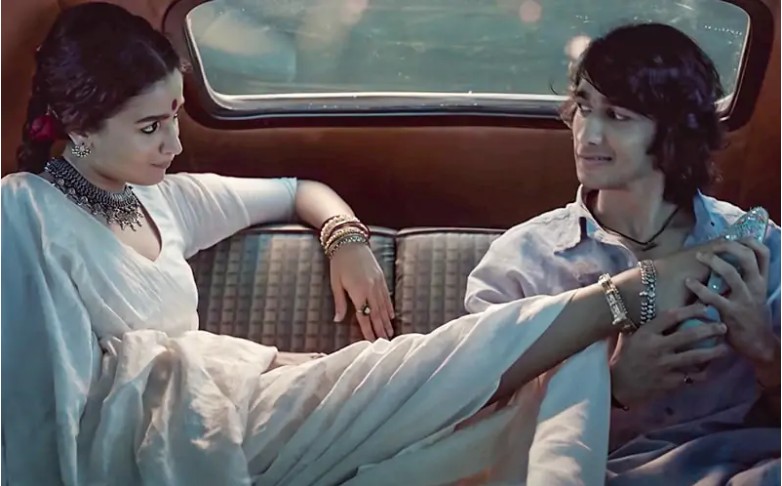
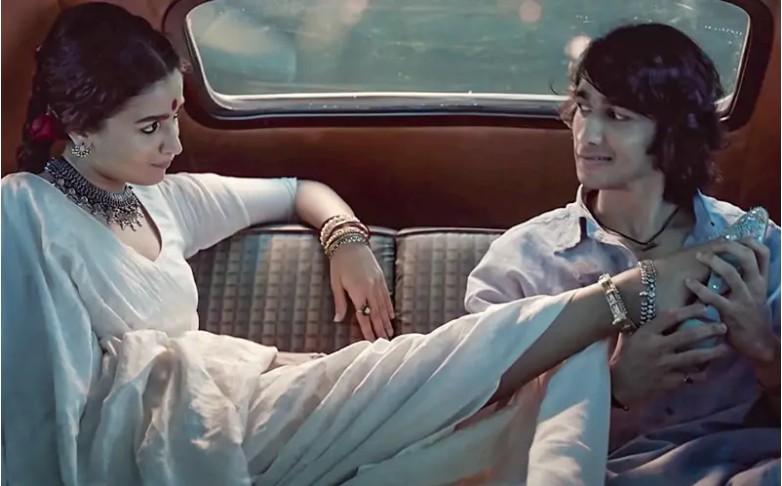
Gangubai Kathiawadi is the story of a sex worker of the same name who went from being a young trafficking victim to a champion of the rights of women working in the trade in the 1950s - a battle still being fought.
Many sex workers in Kamathipura - Mumbai's red-light district - and across India say the film starring celebrated Alia Bhatt shows rare understanding of their everyday struggles.
National Network of Sex Workers president Kiran Deshmukh says: "There have been so many films on women like us, but none that raised certain issues. People believe what they see in Bollywood films. This film has shown sex work is work and that this work helps us live our lives and feed and raise our children."
While prostitution is legal in India, related activities such as soliciting, pimping and running a brothel are crimes, meaning sex workers face frequent run-ins with police.
Most are unable to vote, open bank accounts or access state subsidies for food as they lack identity documents, and many end up trapped in debt after taking out loans from unscrupulous lenders.
"We've struggled for 30 years to have women of Kamathipura open bank accounts," says Priti Patkar, founder of Prerana, a nonprofit group that works with the children of sex workers.
But Covid has given impetus to calls for sex workers to be recognized as part of India's vast informal labor force, and the release of Gangubai Kathiawadi has coincided with signs of progress.
India's supreme court last year ordered federal and local governments to start issuing ration and voter cards to sex workers.
The film, also released on Netflix last month, has come at an "opportune time to continue the conversation," says Sangram general secretary Aarthi Pai. Sangram helps sex workers.
Adapted from a chapter in Mafia Queens of Mumbai, a book by journalists Hussain Zaidi and Jane Borges, the film breaks Bollywood's usual sex worker mold.
Calling it a "feminist film," Meenakshi Shedde, an independent film curator, says the movie directed by Sanjay Leela Bhansali is powerful because it is a biopic.
Far from the Bollywood razzmatazz, in a brothel in a dark alley in the Kamathipura area, Rukhsana Ansari, 40, and other sex workers have been watching snippets from the film on their phones.
Trafficked more than 20 years ago after her parents died, Ansari recalls being sold into a brothel for 10,000 rupees (HK$1,000) and says she was struck by the parallels between herself and the film's main protagonist, saying: "We were both cheated, we both tried running away from the brothel and I too scored some victories. I refused to wear skimpy clothes and drink alcohol. Like her, I survived."
Thousands of sex workers in Mumbai and those from other cities such as Sangli and Solapur were invited to watch the film in cinemas in screenings sponsored by nonprofits, while others bought tickets themselves for an unusual trip to the movies.
Many were also inspired to visit Gangubai's former home in Kamathipura.
"Hundreds have come here since the film's release," says Sapna, who lives there. "They ask me the same things: if she was the person shown in the film. If her story is real."
A statue of the rights champion adorned with a flower garland stands at the end of a corridor.
But Deshmukh, who was also inspired to visit Gangubai's house after watching the film, questioned its rose-tinted treatment. "Gangubai's bathroom is so big it could accommodate a bed for a woman to do business," she says. "The film was real, so her place of work should have also been real."
THOMSON REUTERS FOUNDATION