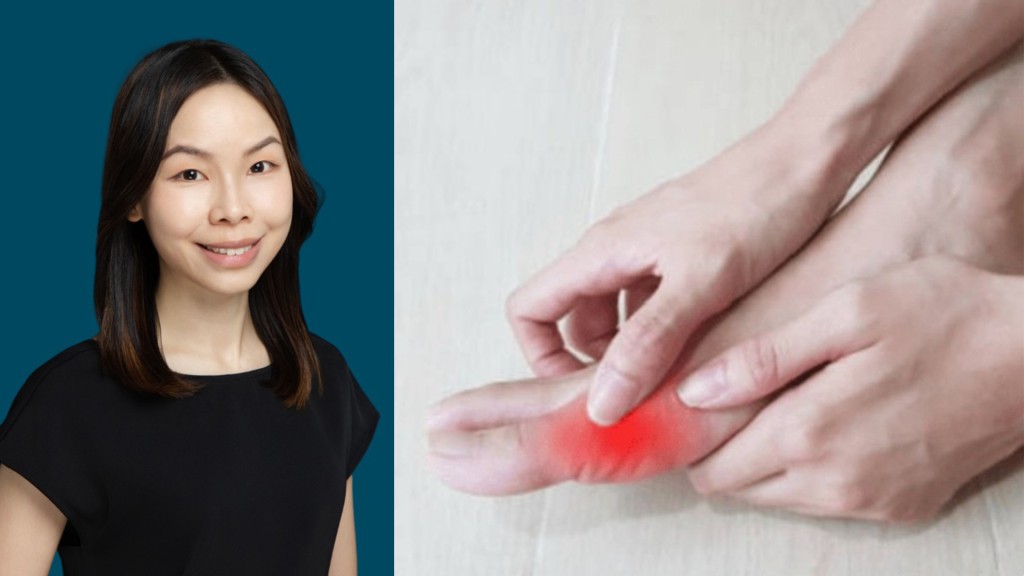
I meet many patients with sudden, agonizing joint pain, often in the big toe or ankle, surprised to learn the culprit is something most people rarely think about: uric acid. When levels rise above normal ranges, it doesn't always announce itself with obvious symptoms, but it quietly raises the risk of gout, kidney stones, chronic kidney disease, and cardiovascular problems over time. It is also linked with raised cholesterol and insulin resistance. Uric acid is one of those numbers worth tracking before it becomes urgent.
Diet is a big factor driving the levels up: organ meats, sardines, anchovies, and game meat are well-known triggers, but what catches people off guard is fructose. Alcohol raises uric acid by making your body produce more of it, while also slowing down how fast your body can get rid of it. Being overweight compounds the problem, and dehydration concentrates the blood, reducing the kidneys' ability to flush uric acid out.
Certain medications like diuretics can raise levels as a side effect, and if gout runs in your family, your own risk goes up too. Gout is the most recognizable consequence: uric acid crystals accumulate in the joints, triggering intense swelling, redness, and pain.
Kidney stones cause sharp pain in the lower back or groin. If you notice any of these symptoms, see a doctor promptly for a blood test and follow-up.
One of the most empowering parts of managing uric acid is that dietary changes make a real difference. I advise patients to cut back on organ meats, shellfish, concentrated broths, sugary drinks, and fried foods, all of which increase uric acid levels.
Hydration is non-negotiable: aim for at least two liters of water a day. Beyond diet, maintaining a healthy weight through regular exercise helps stabilize uric acid, though if you're losing weight, do it gradually. And if you have a personal or family history of high uric acid, make regular testing part of your routine health checks. If you're unsure about your levels or would like personalized advice, speak to your family doctor.
A tailored plan is the most effective path to lasting good health.
Dr Shiba Poon is a Hong Kong-based general practitioner.