Hong Kong possesses unparalleled strengths to materialise its strategic goal of developing into a world-class global education hub. Five local universities rank among the world’s top 100; the city hosts one of the densest concentrations of international schools globally, and the Hong Kong Diploma of Secondary Education (HKDSE) holds widespread international recognition as a credible university admission credential.
The blueprint for an international education hub has been floated since the early 2000s, yet its full realisation is now within tangible reach amid the progressive rollout of the Northern Metropolis University Town (NMUT). That said, the current policy focus overwhelmingly centres on tertiary education, with senior secondary education largely overlooked. This creates a critical gap in our overall development strategy. Senior secondary education constitutes the foundational nurturing phase of any complete education ecosystem: it equips young people with solid academic grounding ahead of university studies, while also shaping their values, global outlook and cross-cultural awareness. Without a mature international senior secondary sector, Hong Kong’s ambition to become a comprehensive global education hub will remain incomplete. Investing in senior secondary education alongside tertiary institutions is therefore indispensable to consolidating Hong Kong’s competitive edge in global education.
First and foremost, a vibrant international senior secondary cluster can draw outstanding young talents from across the globe. Many of these non-local students will regard Hong Kong as a preferred study destination; some may pursue undergraduate degrees here and opt to build their careers in the city after graduation, forming a sustained talent reservoir for Hong Kong’s long-term growth. Collectively, these alumni will become powerful brand ambassadors for the “Study in Hong Kong” brand, amplifying Hong Kong’s international appeal as a study destination.
Beyond talent cultivation, a sophisticated, diversified international senior secondary sector can evolve into a high-value standalone economic pillar, spawning a complete industrial ecosystem covering educational publishing, exam coaching, edtech R&D, student boarding services, and the operation of globally benchmarked local assessment systems. The United Kingdom’s sixth-form college model serves as a proven benchmark: its well-established pre-university colleges attract massive cohorts of overseas students annually, while countless international candidates travel to the UK to sit mainstream examinations including IGCSE, A-Level, IELTS and PTE. This thriving examination-driven economy fuels robust growth across supporting industries – student accommodation, catering, transportation, cultural experiences and tourism alike – demonstrating how a mature senior secondary ecosystem can act as a powerful engine for broad-based local economic expansion and grassroots employment.
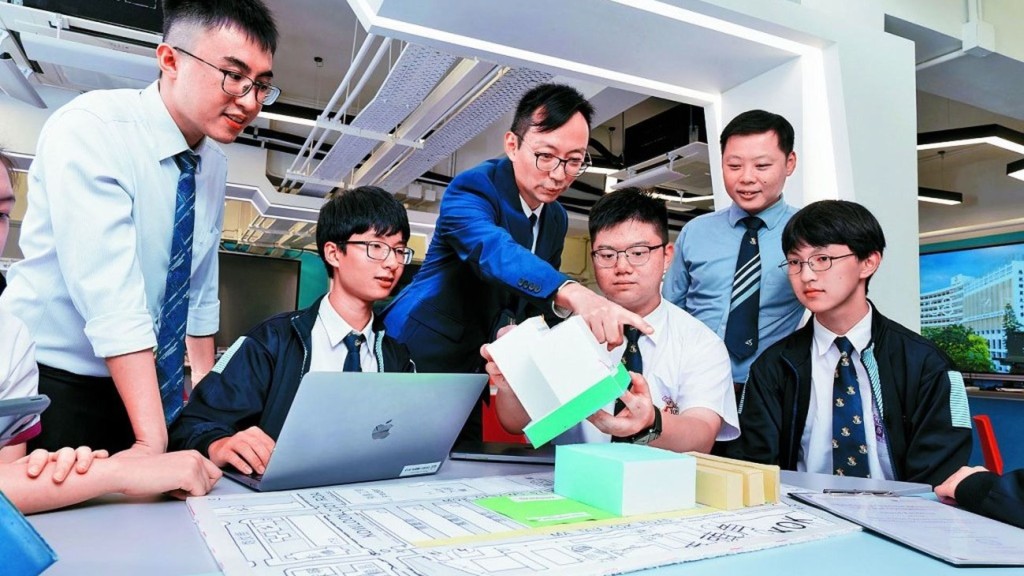
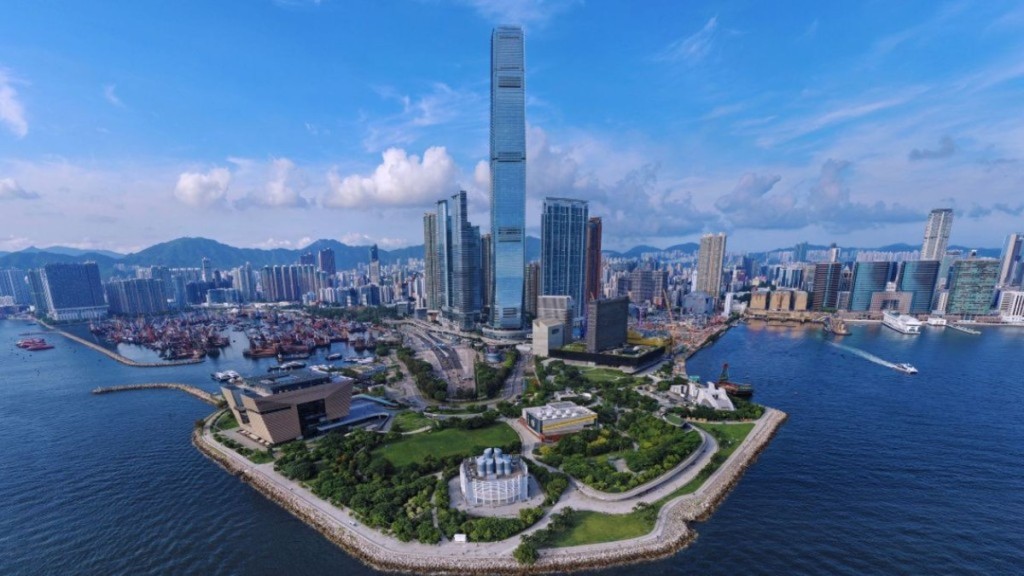
Hong Kong has abundant untapped potential to scale up its international senior secondary offerings as a core component of its global education hub strategy, with four actionable pathways. Firstly, a dedicated Senior Secondary Education Zone in the Northern Metropolis is warranted. Within the 3,000-hectare Northern Metropolis development area, the government can designate a special cluster exclusively for private international senior secondary schools. Centralised planning of campuses, student dormitories, sports facilities, science laboratories and smart education infrastructure will unlock powerful industrial synergies, mirroring the development logic of the NMUT. This concentrated layout optimises land utilisation efficiency and creates an integrated platform for educational innovation and cross-border student exchange.
Secondly, a large number of vacant and underutilised school premises that exist citywide can be released to reputable local private education operators which demonstrate a proven track record of sound school governance, prudent financial management, qualified teaching and administrative teams, and forward-looking educational leadership. This delivers a cost-effective, fast-track solution to expand international senior secondary capacity without relying solely on new land development.
Thirdly, the pressing demands for premium private secondary education must be addressed. Despite falling birth rates and school consolidation across Hong Kong, local family demand for high-quality private secondary education remains robust. Many parents seek flexible, premium alternative learning pathways for their children, creating natural market demand that can coexist harmoniously with incoming non-local student cohorts.
Lastly, locating the dedicated international senior secondary zone adjacent to the NMUT is the way to go to create a steady built-in student pipeline for higher education institutions. A larger pool of high-calibre non-local students will also draw top overseas universities to establish branch campuses here, in turn broadening tertiary study options available to local secondary graduates.
Nevertheless, two core bottlenecks must be addressed to fully unlock the potential of international senior secondary education in Hong Kong. First, visa arrangements for full-time non-local senior secondary students and their accompanying family members must be streamlined, introducing simplified, efficient application workflows tailored to minor international learners.
Second, Hong Kong should start developing and promoting an internationalised HKDSE (iDSE) qualification framework, a bespoke assessment credential designed for overseas students applying to universities in Hong Kong and worldwide. Building a globally recognised iDSE brand will draw cross-border candidates to study and sit examinations in Hong Kong, unlocking huge potential for assessment-driven economic activity.
Land planning stands as a decisive enabler for the development of large-scale school clusters. While the Northern Metropolis boasts ample land, identifying suitable sites for an international senior secondary hub requires cross-government coordination spanning infrastructure, transport, town planning and long-term industrial development – a remit far exceeding the Education Bureau’s core mandate of education policy formulation, teacher oversight and school regulation.
I therefore urge the Government to set up a formal interdepartmental coordination mechanism and a dedicated cross-bureau taskforce. This body will steer holistic long-term planning and drive the full-scale development of Hong Kong’s international senior secondary sector. To deliver this far-reaching vision, targeted policy support should be extended to credible, high-performing homegrown private education institutions. Empowering local education brands will allow Hong Kong to fully capitalise on its unique institutional strengths under the “One Country, Two Systems” framework and turn its ambition as a comprehensive global education hub into tangible reality.
June Ho-Ki Leung, Chairperson and CEO of Hong Kong-listed educational group Beacon Group