Read More
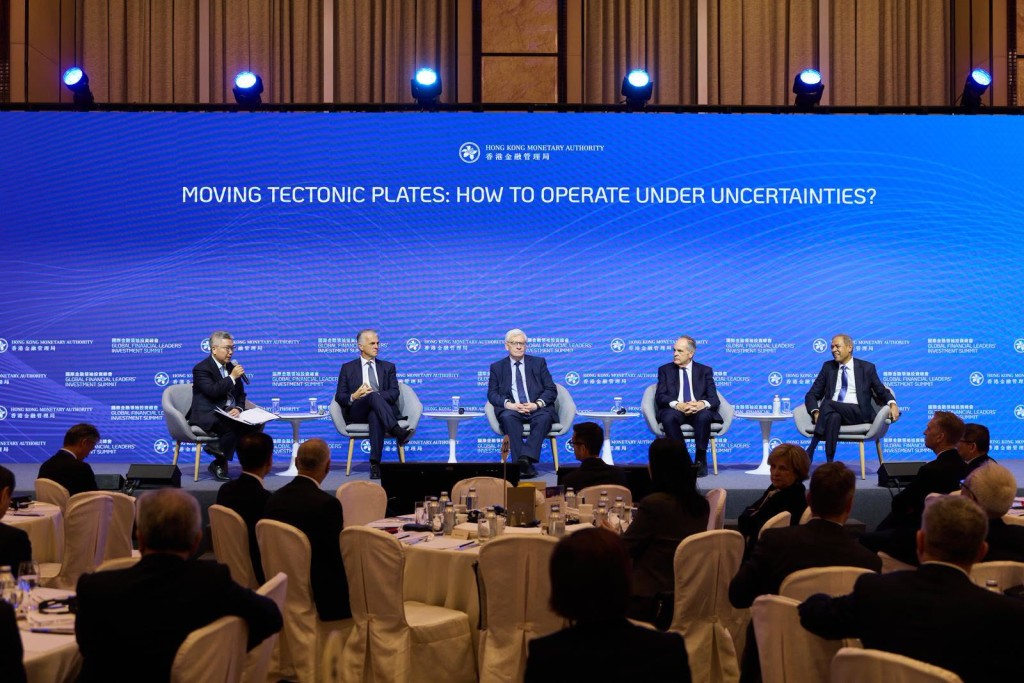

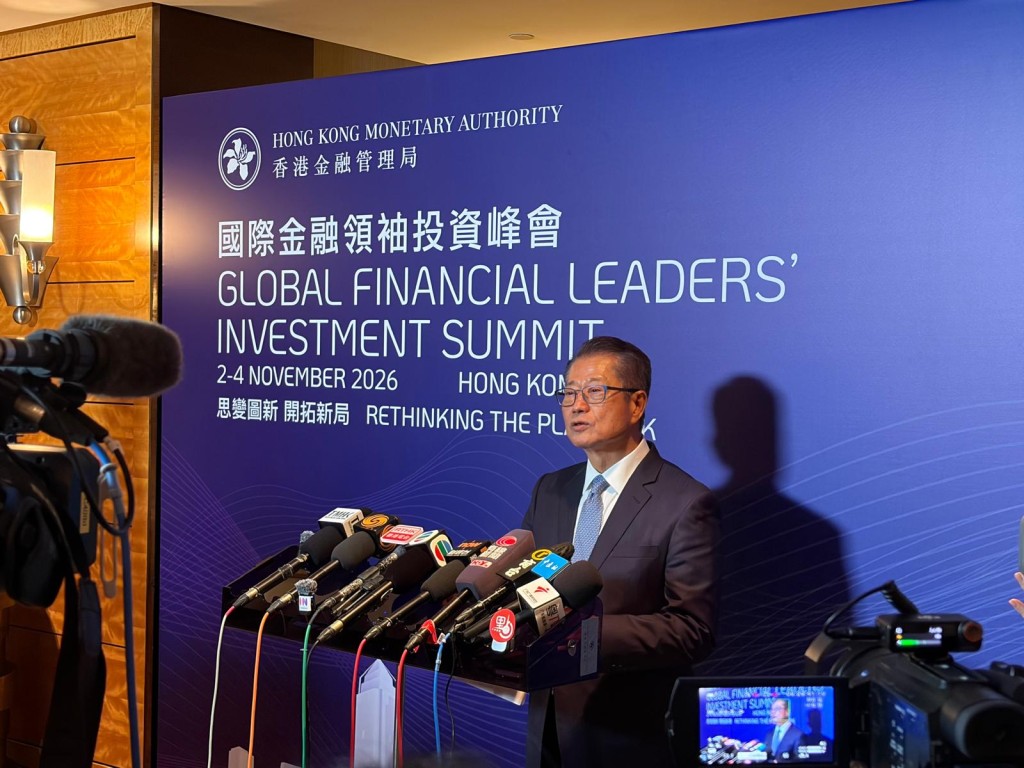
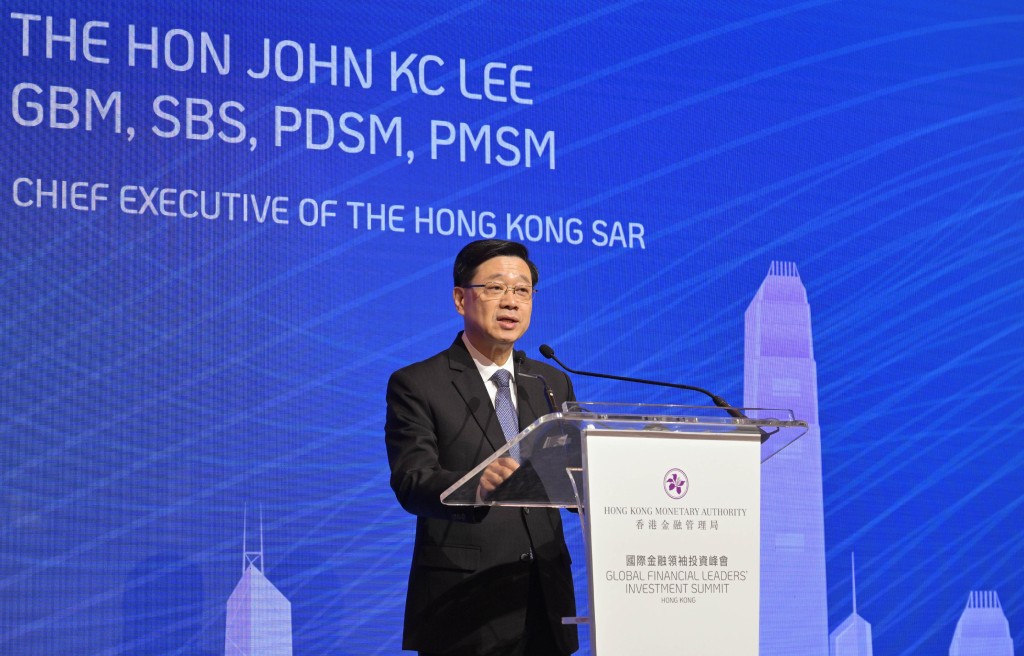


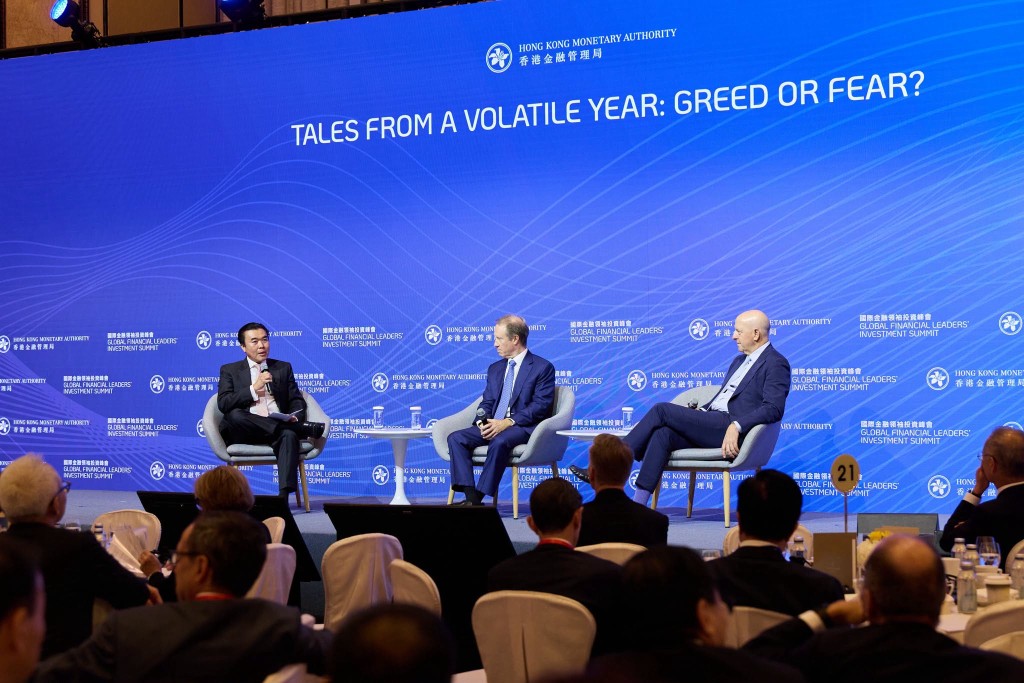
Morgan Stanley’s chairman and chief executive, Ted Pick, estimates that artificial intelligence development could require US$10 trillion (HK$78 trillion) to US$15 trillion in capital over the next decade to drive real gross domestic product growth of 50 to 70 basis points at the 5th Global Financial Leaders' Investment Summit yesterday.
Pick noted that financing the web depends on a complex interdependence among frontier labs, chip makers, infrastructure builders, and energy providers.
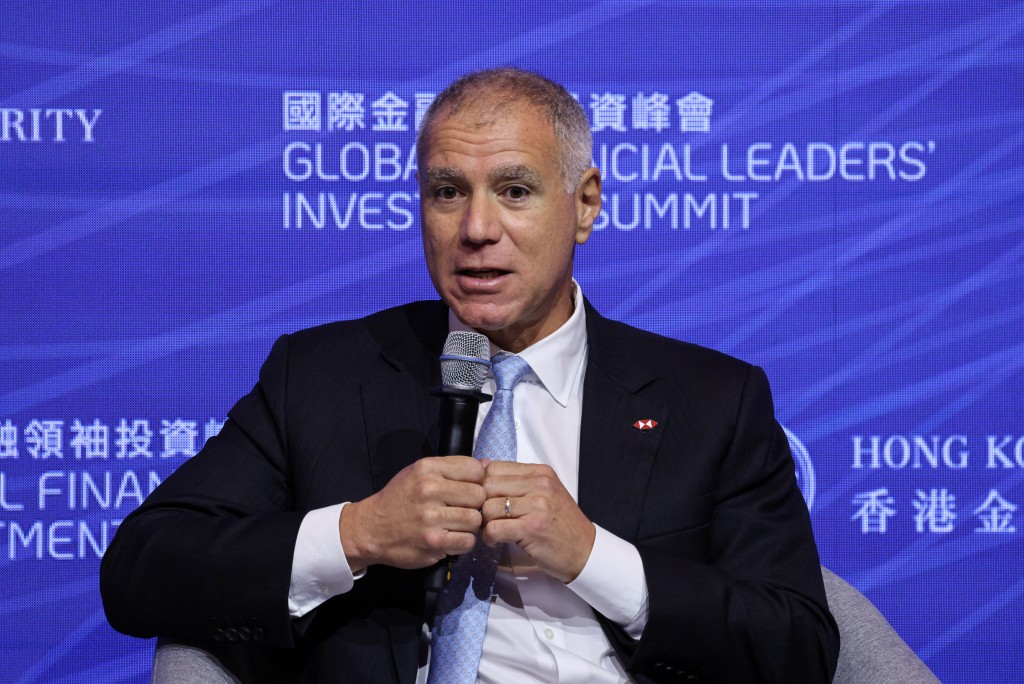
Goldman Sachs chairman and chief executive David Solomon added that demand for computing power will far exceed supply in the coming years, making projects that purchase compute capacity — and the hyperscalers themselves — highly attractive for financing.
Looking three, five, seven or 10 years ahead, he said there will inevitably be winners and losers, with much of the value migrating to the application layer or to technological changes that are still hard to identify or understand today.
Looking five to 10 years ahead, Solomon said he is “very excited” about the technology super-cycle of bringing new tools into enterprises and about the productivity lift AI can deliver, even though the journey will not be smooth.
As markets worry about an AI bubble, Solomon argued that demand for compute currently exceeds supply and that much of the future value will come from the application layer.
Pick also drew parallels to previous technology cycles in 1999 to 2000, 2001, 2003, 2006, and 2008, noting that periodic corrections are "very healthy" and create "a wall of worry" that reminds markets that technology can run ahead of the plan, or vice versa.
He cautioned that some projects would have poor capital structures and "will eventually not pass the test of time," but this is all part of the innovator's dilemma.