Read More

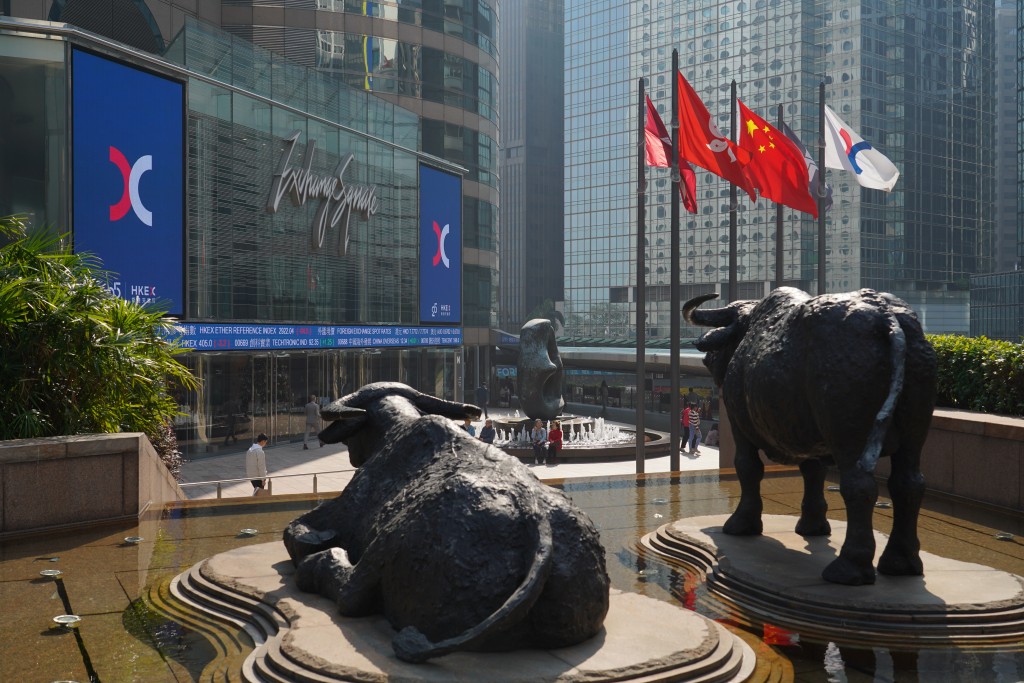
Hong Kong stocks rise at noon
1 hour ago
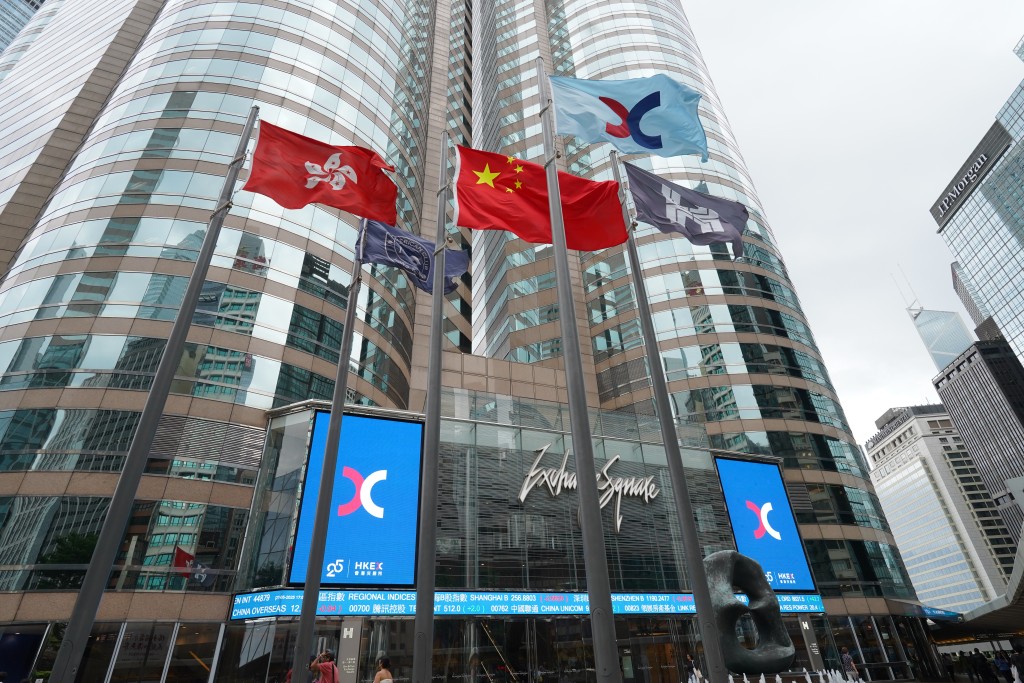

Hong Kong shares open higher
3 hours ago
Hong Kong stocks gain by midday break
02-11-2026 12:10 HKT

ICAC charges two former Johnson Cleaning executives over $75 million bribes
02-11-2026 10:48 HKT


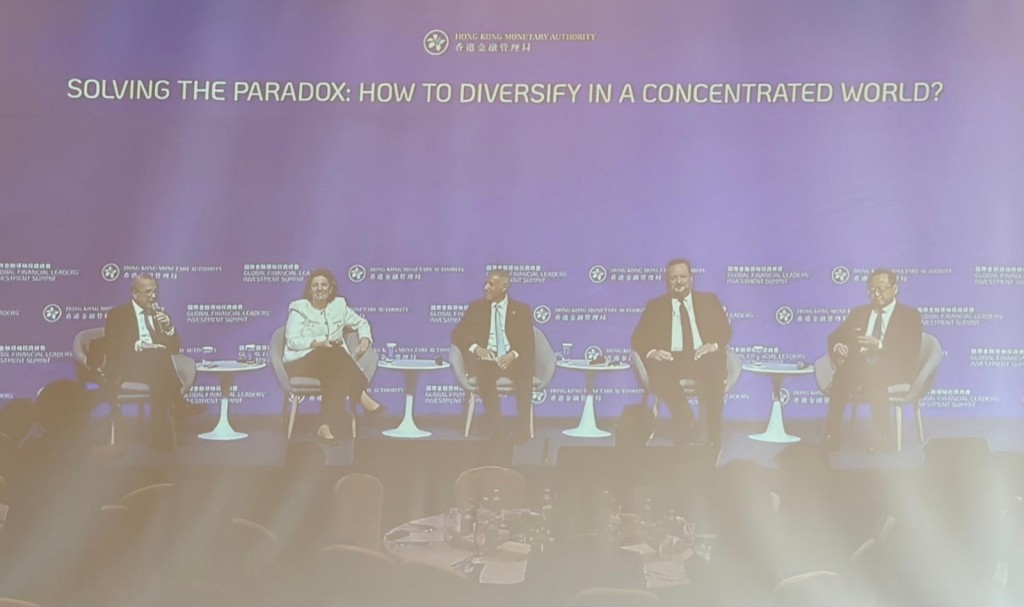
A profound shift is underway in global capital flows as Asian and Middle Eastern economies deepen their economic ties, as HSBC (0005) chief executive Georges Elhedery calls it the "Asia buys Asia" phenomenon, a trend that has contributed an estimated 1.8 percent to Asian gross domestic product over the last five years.
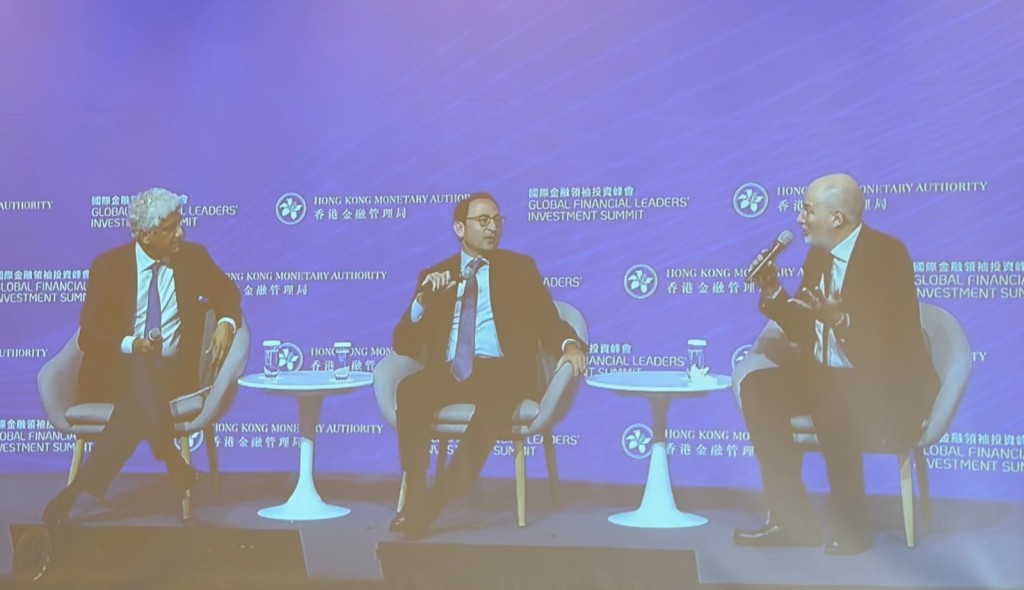
Speaking at the 5th Global Financial Leaders' Investment Summit on Tuesday, Elhedery outlined five key areas driving this transformation, from intra-regional trade growth to cultural affinity between West Asia and Southeast Asia.
"ASEAN was the first part of the channel in trade ahead of the US and Europe, and that's demonstrating much bigger consumer market, much bigger investment flow for manufacturing," Elhedery said.
He noted that the region's trade integration has accelerated through agreements such as the United Arab Emirates's 40 trade agreements signed in five years and the recently concluded India-GCC trade agreement, with ASEAN-GCC negotiations also underway.
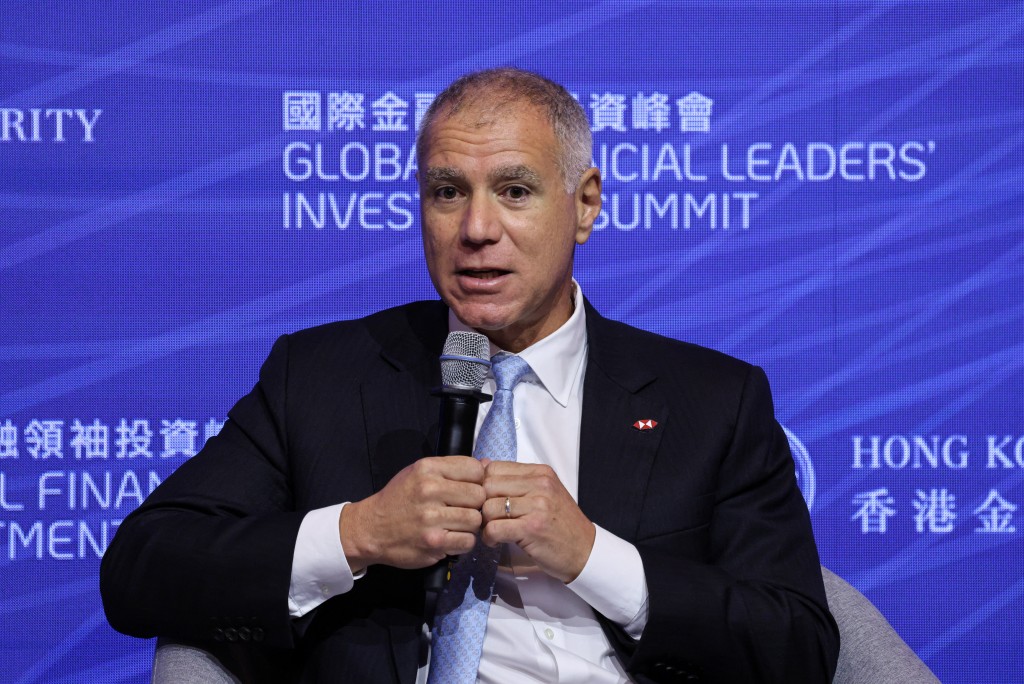
The Asia-Middle East corridor has emerged as a powerhouse of global capital and opened up more trade opportunities. Both regions are now home to nine of the world's 10 largest sovereign wealth funds, Elhedery said, noting a significant shift in global wealth flows that historically mainly went to attractive markets like the US and Europe.
"More and more, that capital is looking for opportunities now within the Asian Middle East, and the demand for resilience-built infrastructure investments across the board is basically driving that capital to reinvest back onshore," he said.
Cultural ties are reinforcing these economic connections. Elhedery noted that India views the Middle East as "West Asia," reflecting a geographic and cultural continuity that facilitates trade, while growing Indian and Chinese diasporas across these regions are further strengthening commercial links.
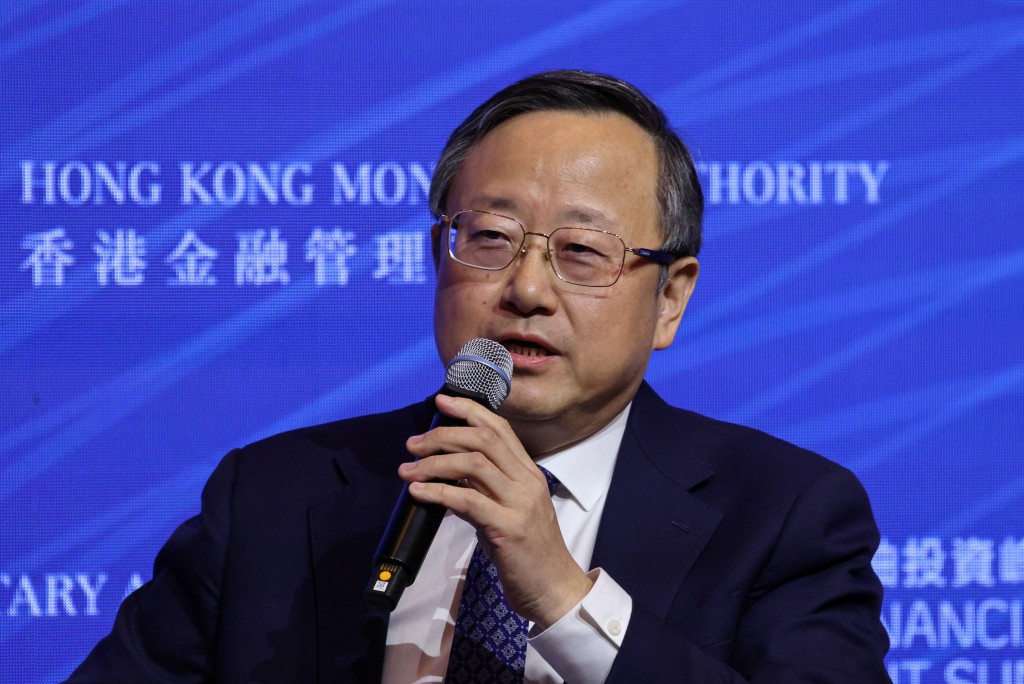
Meanwhile, Bank of China (3988) vice chairman and president Hui Zhang emphasized Hong Kong's irreplaceable position in facilitating this diversification. He noted that the city is both a "super connector" between China and global markets and a premier offshore yuan hub.
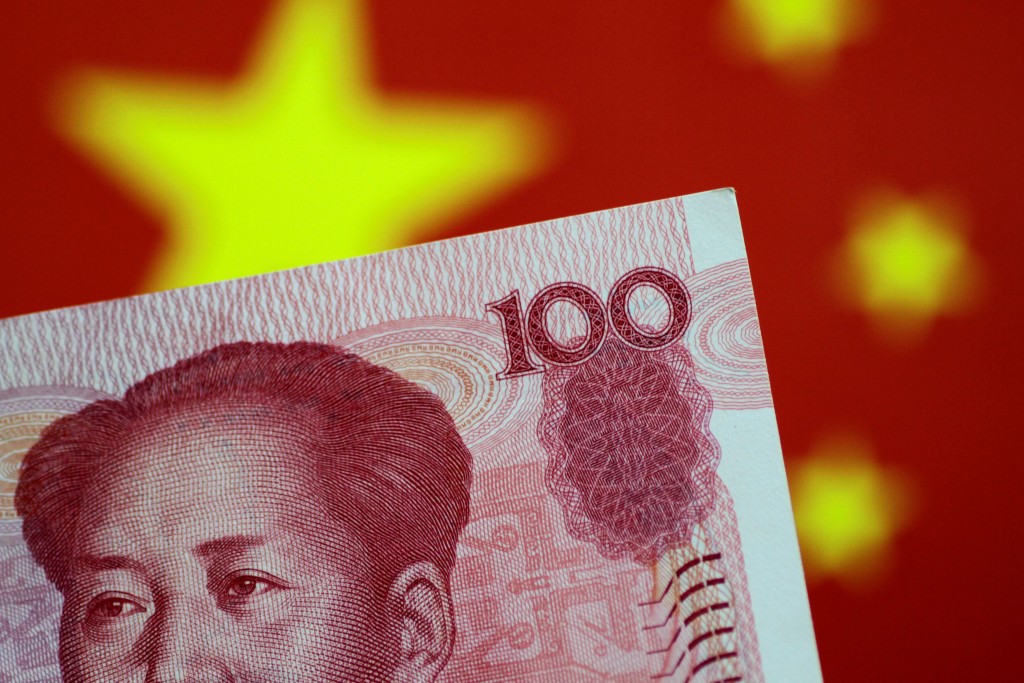
"Hong Kong accounts for more than 75 percent of the payment for offshore RMB transactions," Zhang said, adding that recent policies from the People's Bank of China supporting Hong Kong's offshore yuan center status will further enhance its role.
Zhang identified four key advantages positioning Hong Kong for continued growth, including its connector role for Chinese enterprises going global and foreign firms entering China, offshore yuan capabilities, financial innovation ecosystem in emerging commodities transaction capabilities, and its concentration of international finance talent.
"We will continue to play a very big role to help contribute to the IFC positioning of Hong Kong," Zhang said.
On market diversification, Elhedery also highlighted commodities, particularly gold, as increasingly important diversification tools. He cited three reasons, including gold's role as a risk-off asset, its long-term inflation hedging properties, and its intrinsic industrial value.
He said HSBC has expanded its gold capabilities significantly in Hong Kong, now operating one of the world's top three gold tokens and announcing vault storage capacity for 100-150 tons of gold.
"It's a demonstration of the strong appetite for gold as a diversification asset," he said.