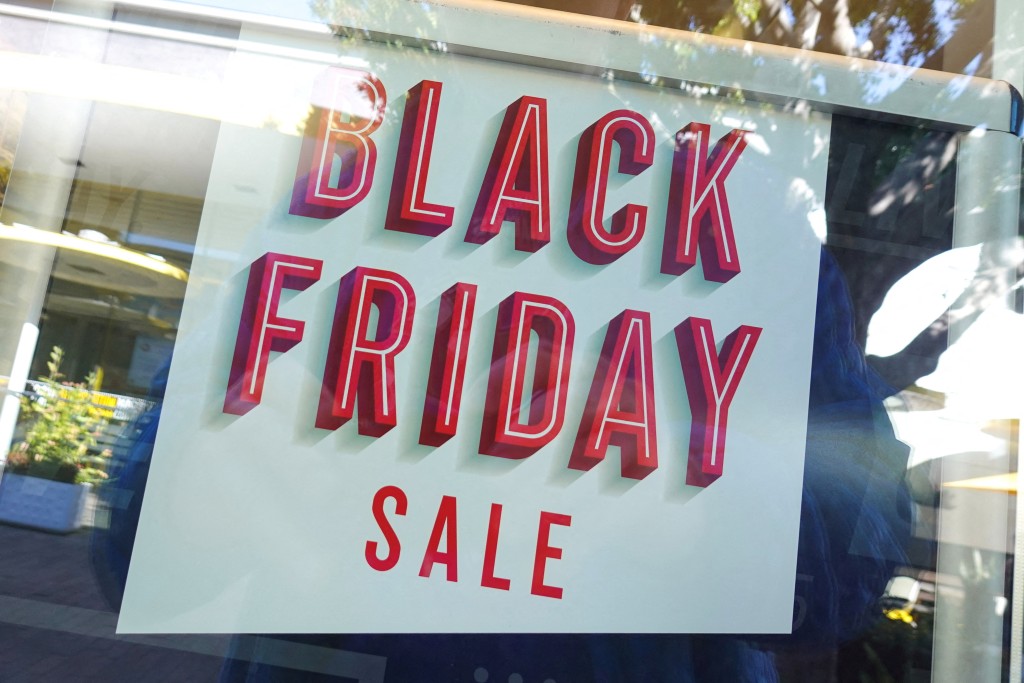
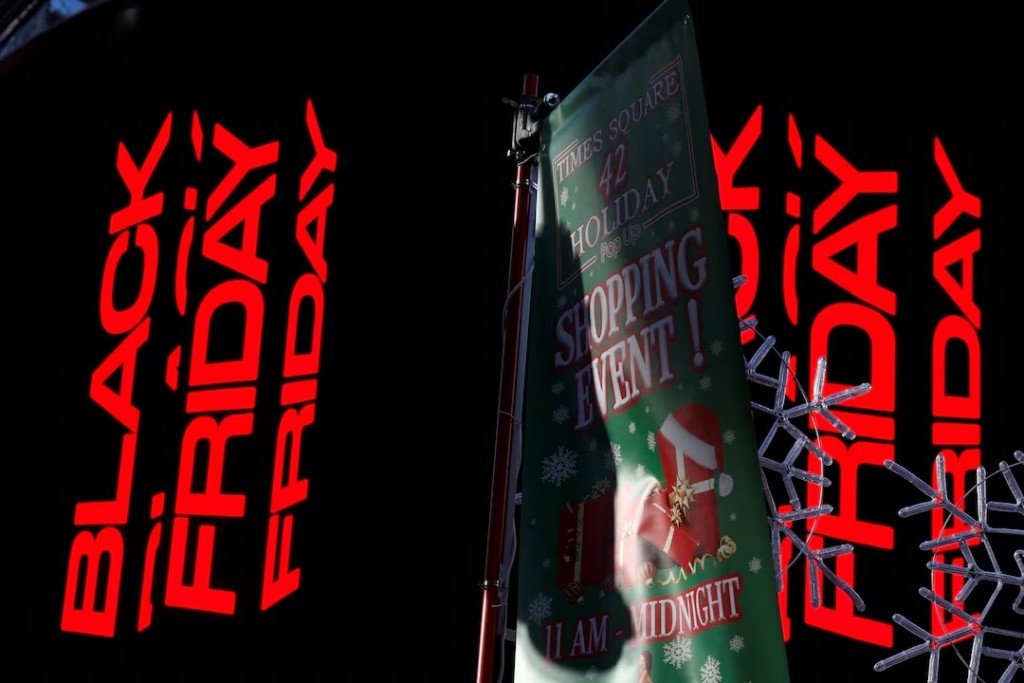
US online spending rose 11 percent to US$13.1 billion (HK$24.18 billion) on Black Friday, data from Adobe Analytics showed, topping its forecast as shoppers snapped up popular toys and AI-powered gadgets and stocked up on essentials as inflation weighs on holiday budgets.
The spending total beat Adobe's forecast of about US$12.9 billion, helped by discounts and promotions on apparel and appliances as retailers sought to woo Americans weighed down by inflation and high gas prices.
While electronics and gaming were among the strongest-selling categories, shoppers also used discounts to stock up on everyday essentials such as cleaning supplies, pet care products and personal hygiene items, the Adobe report said.
The data comes as inflation, running at 3.8 percent, continues to strain household finances. Foot traffic at US stores was down 2.2 percent from a year earlier at nearly 930 million visits on Black Friday, according to PassBy, a geospatial analytics company.
Black Friday and Cyber Monday bookend one of the retail sector's busiest periods of the year.
Adobe expects US online spending on Cyber Monday to jump 6.2 percent to US$15.1 billion, contributing to about US$47.5 billion in overall sales during the five-day Thanksgiving shopping period, the report said.
The morning after Black Friday, Kristy Martinez, 46, in Williamsburg, Brooklyn, said she planned to spend slightly more on gifts this holiday season after she and her husband “really pulled back” on spending last year.
Buy now, pay later options are expected to contribute US$1.09 billion in online spending on Cyber Monday, up 5.3 percent from a year ago, Adobe Analytics said. Consumers are also increasingly using AI-powered shopping tools to compare prices, with traffic from chatbots and AI-enabled browsers converting into purchases 68 percent more effectively than a year earlier, according to Adobe data.
Reuters