
Read More
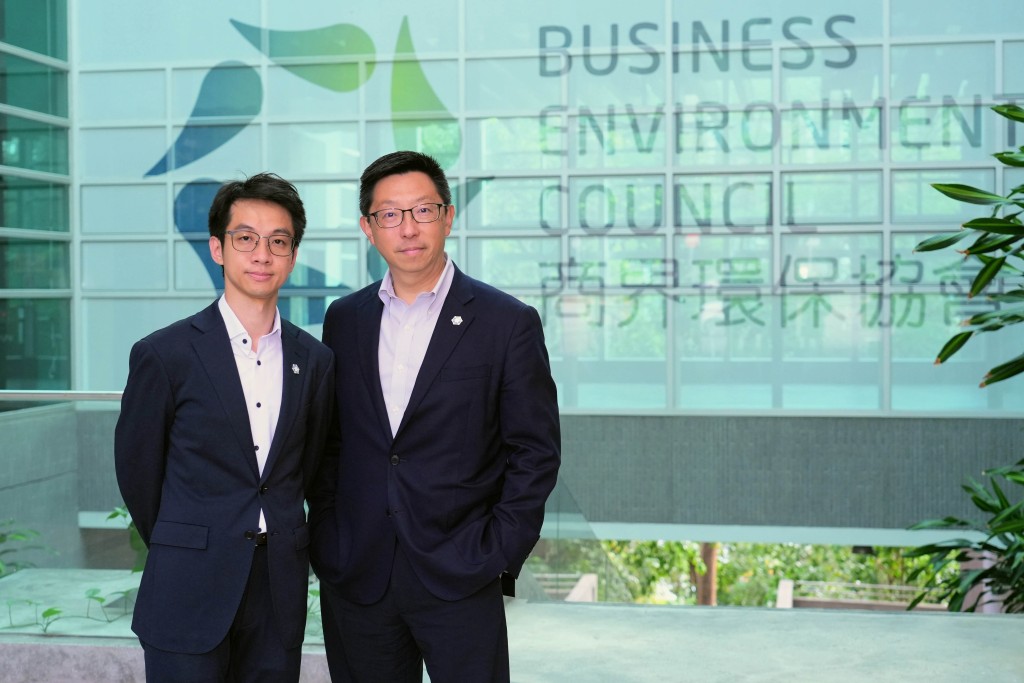
Hong Kong can establish its role as a sustainable aviation fuel certification provider as well as a trading hub for SAF within the holistic ecosystem, executive leaders at the Business Environment Council said in an exclusive interview with The Standard.
ADVERTISEMENT
SCROLL TO CONTINUE WITH CONTENT
"Hong Kong has the capacity, legal infrastructure, and international reputation as a financial center to provide SAF certification and function as part of the broader green ecosystem, or even mature into a regional trading hub following certification, contributing to how green finance can be injected into new energy in the future" said BEC chief executive Simon Ng Ka-wing.
Ng emphasized that SAF adoption is not merely about reducing carbon emissions, but leveraging Hong Kong’s inherent advantages to elevate its global financial standing and competitiveness.
Merlin Lao Man-chi, head of policy and research at the BEC, noted that future verification frameworks would boost market confidence.
Implementing the vision
Aligning with the government’s commitment in the latest policy address to achieve a SAF consumption ratio of 1 to 3 percent for flights departing from the Hong Kong International Airport, Ng suggested market-driven incentives – such as granting priority airport parking slots to airlines actively adopting SAF – rather than long-term monetary incentives, as the government faces tight financial constraints.
While a levy similar to Singapore’s starting model fits Hong Kong in the long run, Lao warned against rushing it in the short term, as Hong Kong’s air travel expenses are already higher than nearby regions following last year's departure tax increase to HK$200.
He added that transit flights and international cargo transfers should be exempted initially to maintain Hong Kong’s competitiveness.
Lao also cautioned against strict legal mandatory guidelines that require airlines to use SAF, warning that it could create cost markups that backfire on carriers and passengers.
Ng highlighted the necessity of a regional supply chain within the Greater Bay Area, explaining that a good option would be to set up factories in the mainland through government subsidization, which can help ensure raw materials at a low cost, benefiting final SAF prices.
Additionally, he stressed the importance of education to raise public knowledge of SAF, noting that widespread understanding helps lay a robust foundation for future SAF adoption in the long run.