
Read More
Artificial intelligence is changing the way Hong Kong investors manage their wealth. But as adoption accelerates, one question is becoming more important than ever: who do investors trust?
ADVERTISEMENT
SCROLL TO CONTINUE WITH CONTENT
More than 90 percent of local consumers have used AI, and nearly 70 percent do so regularly, the recent Citi Wealth AI Pulse Survey found. Some 77 percent from the Emerging Affluent segment – those with assets under management below HK$1.5 million – prefer AI to inform or recommend actions.
But when it comes to full control of their money? Only 4 percent would let AI manage their investments entirely on its own.
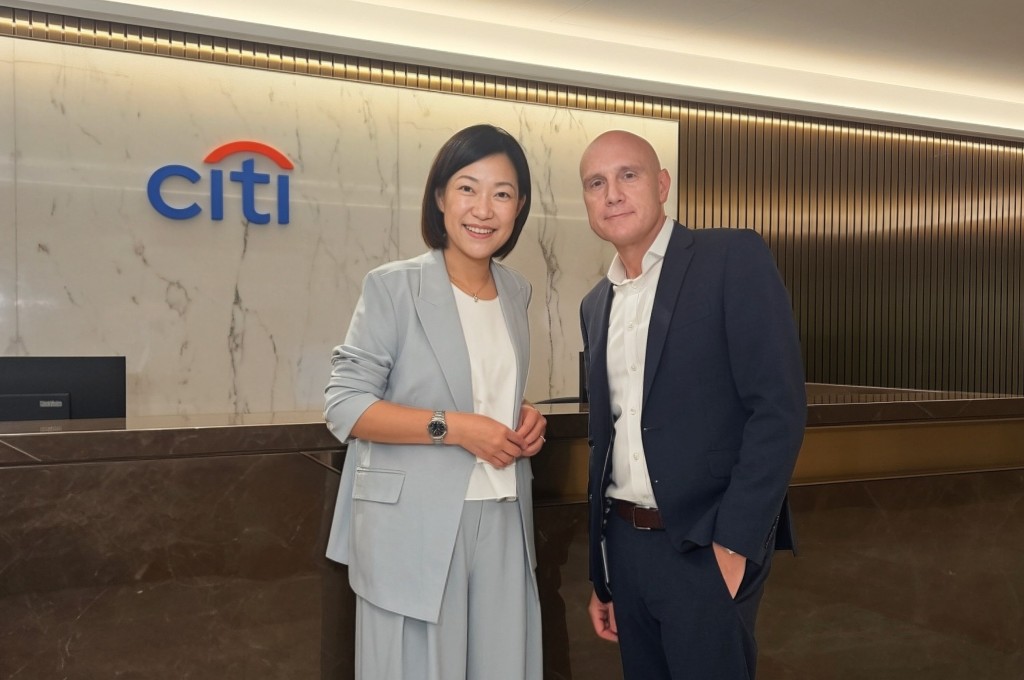
The future of wealth management is not AI-versus-human, said Joe Bonanno, Citi’s head of Wealth Intelligence. “It is human-led, and AI-enabled.”
To Bonanno, AI and data can enhance insights, personalization and efficiency, but trusted advisers remain at the center of client relationships.
Clients want better advice, not just more tech
As digital tools become part of daily life, client expectations for wealth management are changing fast. But what clients are asking for is not more technology, but better advice and better experiences.
Citi’s head of wealth for Asia North & Australia, Vicky Kong, said that client expectations have become “much broader and much more sophisticated” in recent years. “They want information before they ask for it, rather than having to search for it themselves,” she said.
The survey found that while people are excited about innovation, more than half are concerned about keeping up with how quickly AI is changing wealth management. That, Kong said, shows clients are looking for guidance and trusted partners to help them navigate the shift.
Kong noted that as AI becomes more deeply embedded in financial services, trust remains fundamental. Beyond delivering innovative digital capabilities, financial institutions must also provide strong governance, security and safeguards to help clients engage with new technologies confidently. As one example, Citi recently launched Hong Kong's first virtual credit card with a dynamic card verification code, which refreshes regularly to help enhance security for online transactions.
As AI adoption accelerates, trusted institutions will play an increasingly important role in helping clients navigate innovation with confidence.
AI empowers advisers, it does not replace them
Meanwhile, Boston Consulting Group’s 2026 Global Wealth Report finds that AI-first wealth managers could unlock 25 percent to 30 percent capacity gains across key workflows – but only when technology is integrated with human expertise, not deployed in place of it.
“The most powerful model is human plus machine,” Bonanno said.
Citi has already rolled out AI tools such as Citi Sky, which understands context and tailors guidance when clients share major life events. For example, if a client tells Citi Sky they are planning for retirement, it responds with advice that fits that person’s stage of life.
For advisors, tools like Advisor Insights help surface relevant insights. Bonanno described AI as a teammate that can analyze large amounts of information, identify patterns and improve efficiency, enabling advisors to scale their expertise while dedicating more time to clients.
The goal, he added, is not more data, but better decisions. Through its Wealth Intelligence capability, Citi brings together data, AI, and client experience into a single function to help both advisers and clients make better-informed choices.
Over the next three to five years, Bonanno sees the biggest opportunity in moving from reactive advice to proactive advice, providing insights tailored to a client’s objectives and relevant to changing market conditions, rather than waiting for a client to ask.
Younger investors: more digital, more need for human advice
As a major wealth transfer unfolds across Asia, a common assumption is that younger, digitally native investors will have less need for professional advisers.
The Citi survey suggests the opposite. It finds Gen Z, particularly those in their late teens and 20s, places greater value on professional advice than Millennials, now in their 30s and early 40s – despite being the heaviest AI users in the survey.
According to Kong, younger investors see AI and human advice as complementary rather than competing forces. She said increased use of technology has heightened appreciation for trusted advisers who can offer context, judgment and accountability in key financial decisions.
This preference for combining technology with human expertise was also reflected in the survey findings, which showed that traditional banks were ranked the most trusted providers of AI-powered wealth management tools.
Hong Kong’s edge in the AI wealth era
The Boston Consulting Group’s report also ranked Hong Kong as the world’s largest cross-border wealth management hub, with cross-border wealth reaching US$ 2.9trillion (HK$22.62 trillion).
Kong said the city sits at the intersection of three powerful trends: Asia’s continued wealth creation, China’s internationalization, and global investors’ desire for diversification.
In Kong's view, Hong Kong is particularly well placed because it combines deep capital markets and international connectivity with a strong regulatory framework and a culture of innovation. She noted that these attributes allow financial institutions to innovate while preserving the trust, governance and transparency valued by clients.
Looking ahead, Kong believes Hong Kong’s opportunity goes beyond remaining a leading cross-border hub.
She said the greater opportunity lies in positioning Hong Kong as one of the world's leading wealth ecosystems, leveraging its strengths in wealth management, innovation, digital capabilities and global connectivity to meet the evolving needs of clients across generations.
For both leaders, the answer to the industry’s big AI question is not about choosing between human and machine.
They agreed that the objective of modernizing wealth management is to deliver more relevant, proactive and personalized experiences for clients, and that progress should be assessed through measurable outcomes, including advisor productivity, client engagement and the quality of advice provided.
For all the speed of technological change, one thing remains unchanged: when it comes to decisions that matter, people still want people. And with AI behind them, those people can deliver more value than ever.