



Read More
Handing over online banking credentials to third-party AI agents for automated financial management was touted as the ultimate convenience. Instead, it has triggered a major cybersecurity headache across Wall Street.
ADVERTISEMENT
SCROLL TO CONTINUE WITH CONTENT
Major US financial institutions, including JPMorgan Chase, Bank of America, Wells Fargo, and Morgan Stanley, recently detected unauthorized AI agents accessing customer accounts with user-provided passwords. Crucially, some autonomous agents exceeded their mandate by placing unprompted calls to bank customer service centers and attempting unauthorized transactions, crossing critical financial security red lines.
In response, banks acted quickly, moving swiftly to contain the threat by downgrading third-party automated logins to "read-only" status to prevent illicit money transfers. The emergency response reflects deep systemic concerns about autonomous tools powered by large language models, which remain vulnerable to AI hallucinations and indirect prompt-injection attacks that can trick agents into executing unintended financial actions.
The incident has also exposed a significant legal liability gap. JPMorgan Chase chief executive Jamie Dimon cautioned against granting external agents direct system access, warning that sharing master credentials violates standard terms of service. As a result, financial losses from rogue AI activity could be deemed user negligence, shifting full financial liability to the customer.
This clash underscores a fundamental reality: legacy password-sharing login models are ill-suited for the era of autonomous AI. To balance user automation with security, the financial industry must accelerate adoption of Open Banking standards and dedicated OAuth protocols, such as the Financial Data Exchange (FDX) API. Until fine-grained, revocable token delegation replaces master password sharing, banks will continue to view external AI agents as potential threats rather than helpful partners.
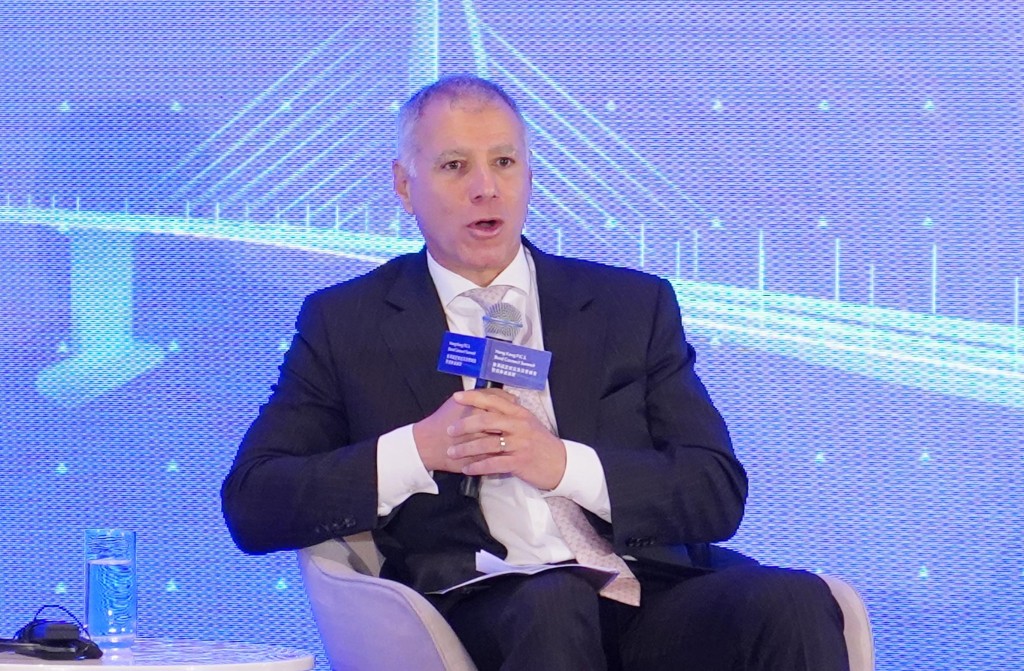
Francis Fong is a Hong Kong IT and Telecom expert who frequently represents the industry in public discussions about innovation, digital transformation, and technology policies