Read More




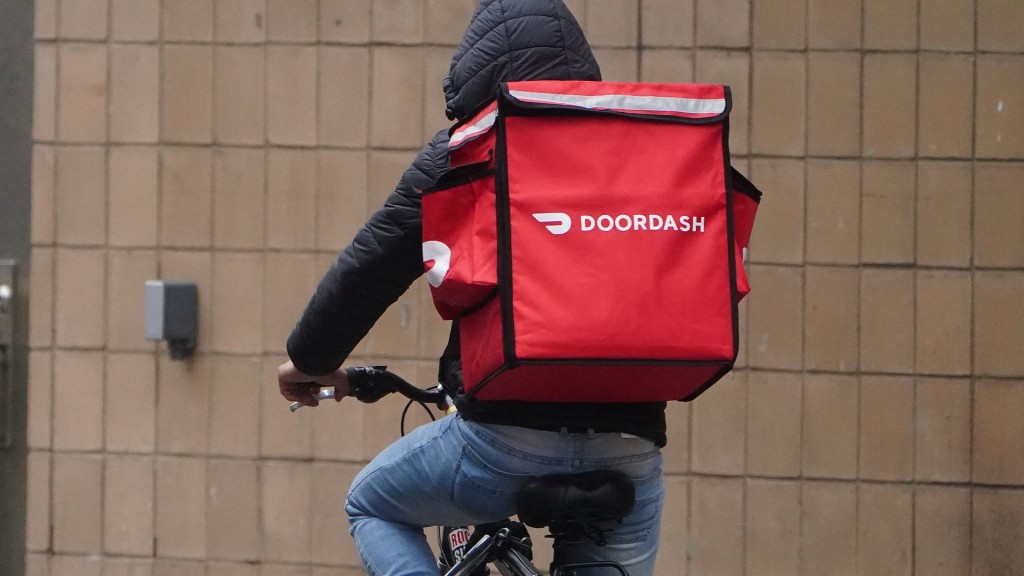
DoorDash DASH.O said on Thursday it would buy Instacart CART.O in a deal valued at about US$17 billion, stepping up its push into the fast-growing US grocery delivery market as competition intensifies among app-based platforms.
The deal, DoorDash's biggest yet, will give the company greater scale as it expands beyond restaurant delivery into groceries and other retail categories, helping it take on deep-pocketed retailers such as Walmart WMT.O and Amazon AMZN.O, which have built vast store, warehouse and delivery networks.
"Grocery is one of the hardest things to get right online," said Tony Xu, co-founder and CEO of DoorDash, adding Instacart has spent years learning to do that well for grocers.
Instacart founder Apoorva Mehta said the two companies had explored a combination on and off for years.
The companies began talks about a potential deal over the summer, and in early September, Instacart's CEO signaled to DoorDash's CEO that the company was exploring strategic alternatives, according to a source familiar with the matter.
Instacart also held preliminary deal talks with Uber, but the ride-hailing company ultimately did not pursue a transaction, in part because it had announced a US$14.8 billion acquisition of German food delivery platform Delivery Hero just a few months earlier, the source said.
DoorDash and Instacart did not immediately respond to Reuters' request on details regarding when the deal talks began.
"Restaurant delivery is maturing, and growth now lies in more frequent, higher-value orders: weekly grocery shops, convenience items, and retail," said Martin Szumski, analyst at Morningstar.
Meanwhile, consolidation has gathered pace globally as companies navigate an environment of slowing orders, rising costs and tighter regulatory scrutiny of the treatment of gig workers.
Online grocery delivery has gained traction as consumers increasingly prize convenience. Spiking gasoline prices during the war in Iran could give shoppers another reason to avoid trips to stores.
AI-native companies have been disrupting the way consumers shop online. More shoppers have been making purchases using agentic AI platforms such as Meta's Muse and personal assistant app Instinct.
DoorDash has offered Instacart shareholders US$65 per share held, a premium of about 26% to the stock's closing price on October 22 before reports of deal talks first emerged.
The consideration will be at least 75% cash, with Instacart shareholders able to elect cash, DoorDash stock or a combination of the two, the companies said.
Shares of Instacart, formally known as Maplebear, were flat at US$58.35 in early trading. They had hit a record high of US$62 on Monday.
DoorDash shares jumped nearly 6% after the company also reported better-than-expected quarterly revenue. They have declined about 25% so far this year through their last close.
The transaction is expected to close at the end of 2027 or the first half of 2028.
"The main risk is regulatory approval," analysts at CFRA Research said in a note, adding that the long timeline for the closing of the transaction suggests both sides expect an extended antitrust review.
"The current regulatory backdrop is generally favorable, but the long closing window leaves the deal exposed to changes in policy," they added.
New York City's Department of Consumer and Worker Protection (DCWP) said on Wednesday that a potential merger continued a "troubling trend" of corporate consolidation.
DoorDash plans to retain Instacart's brand and app after the deal closes and combine the companies' membership programs, while pledging not to require grocers to use its delivery services exclusively.
Instacart would be required to pay DoorDash a termination fee of US$650 million, while DoorDash would have to pay US$1.25 billion if the deal is ended under certain circumstances, according to a regulatory filing.
Reuters