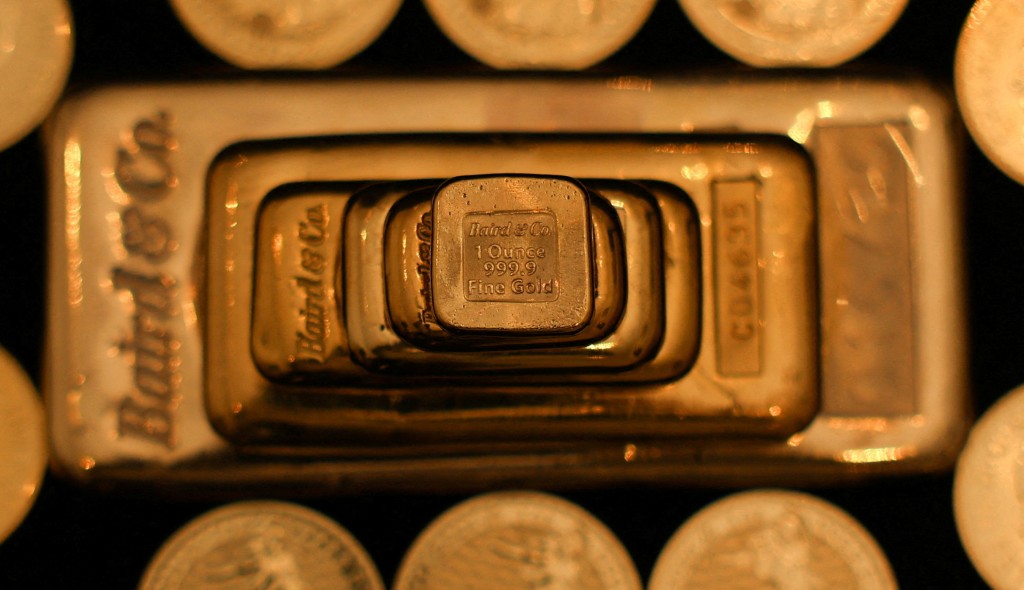
Analysts expect spot gold prices, which hit a record high above US$5,000 (HK$39,000) per ounce on Monday, to climb further toward US$6,000 this year on mounting global tensions as well as strong central-bank and retail demand.
Gold raced to a peak of US$5,092.70 as geopolitical and economic risks rattled markets. The safe-haven metal is up more than 17 percent this year, after soaring 64 percent in 2025.
The London Bullion Market Association's annual preciousmetals forecast survey shows analysts projecting gold rising as high as US$7,150 and averaging US$4,742 in 2026.
Goldman Sachs has raised its December 2026 gold price forecast to US$5,400 from US$4,900.
Independent analyst Ross Norman expects a high of US$6,400 this year, with an average of US$5,375.
"The only certainty at the moment seems to be uncertainty, and that's playing very much into gold's hands," Norman said.
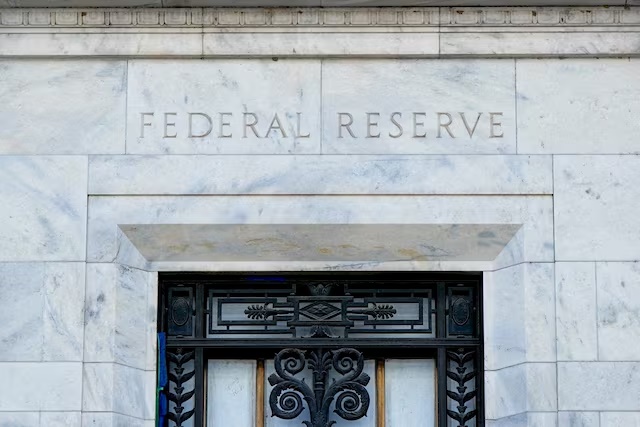
Gold's recent rally has been fuelled by geopolitical tensions, from the US NATO friction over Greenland and tariff uncertainty to rising doubts over the independence of the US Federal Reserve, among others.
"With the upcoming US mid-term elections, political uncertainty may increase further. At the same time, persistent concerns about over-valued equity markets are likely to reinforce portfolio diversification flows into gold," said Philip Newman, a director at Metals Focus.
"After crossing the US$5,000 per ounce milestone, we expect further upside," he added.
ROBUST CENTRAL BANK PURCHASES
Central-bank gold buying, a key driver of prices in 2025, is expected to stay strong this year.
Goldman Sachs forecasts purchases to average 60 metric tons a month as emerging-market central banks continue diversifying reserves into gold.
Poland's central bank, which held 550 tons of gold at end-2025, aims to lift reserves to 700 tons, Governor Adam Glapinski said this month.
These plans reaffirm the view that the key driver behind the spike in gold is central banks "looking to de-dollarise ... and where else could you go except into gold?" Norman said.
China's central bank extended its gold-buying spree for a 14th month in December.
ETF INFLOWS, RETAIL DEMAND
Inflows into gold-backed ETFs, which store bullion for investors and account for a significant amount of investment demand for the metal, are also underpinning prices as markets expect further US rate cuts this year.
"There's an opportunity cost to holding gold which has no yield. As interest rates decline, so does this opportunity cost. If the Fed continues to lower rates in 2026, demand for gold should rise," said Chris Mancini, co-portfolio manager of the Gabelli Gold Fund.
Gold ETFs saw record inflows in 2025, led by North American funds, according to World Gold Council data, with annual inflows surging to US$89 billion. In tonnage terms, inflows totalled 801 metric tons, the highest since their record in 2020.
Gold demand for jewellery has weakened amid high prices, partly offset by a strong appetite for small bars and coins in key markets such as India.
Bar-and-coin buying is also evident in Europe, though some investors are taking profit, analysts said.
For many retail investors, gold's appeal lies in its simplicity, said Frederic Panizzutti, global head of sales at Numismatica Genevensis, which trades precious metals coins.
"You don't need to analyse a balance sheet, assess credit risk or worry about a country or sovereign risk," he said. "Your only risk with physical gold is the price direction. And as geopolitics and geoeconomics have become more complicated ... that simplicity has become more attractive."
WHAT'S NEXT FOR GOLD?
Analysts say several factors could trigger a correction, including a pullback in US rate-cut expectations, margin calls in equities, and easing concerns about Fed independence.
However, most expect any pullback to be short-lived and treated as a buying opportunity.
"A meaningful and sustained decline in gold would require a return to a more stable economic and geopolitical backdrop, which currently appears unlikely," Newman added.
REUTERS