Hong Kong should explore a commodity connect scheme to further support the internationalization of the mainland’s commodity market, elevating the city’s global competitiveness in such markets, the Financial Services Development Council said.
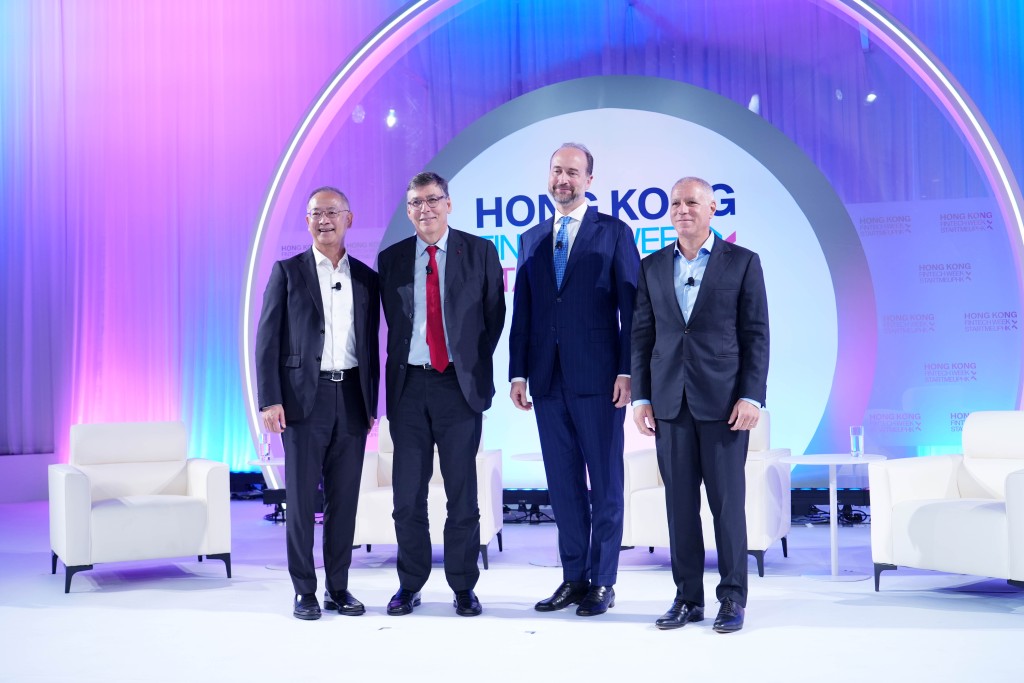
Although China has already established itself as a dominant player in global commodity markets, it has limited international penetration due to shipping, financing, and different regulations from various places, said Ding Chen, chief executive of CSOP Asset Management and FSDC vice chairman.
As the mainland accelerates efforts to open and broaden its commodity market, Hong Kong could model current connect frameworks and play the gateway role to help international investors tap into it, the FSDC said.
Taking advantage of its proximity to mainland China, common law system, financial architecture, and proven ability to handle cross-boundary transactions, the city would facilitate easier access, attract more international participation, and reduce regulatory risk in connecting the two places' commodities trading, according to FSDC.
The proposed commodity connect scheme would also help to leverage the internationalization of the yuan, with more investors joining and trading commodities in yuan, Ding said.
FSDC also suggested strengthening the connectivity between mainland China and Hong Kong through product cross-listing, such as partnering with Guangzhou Futures Exchange.
Beyond the collaboration with mainland regulators, Hong Kong should enhance its own infrastructure establishment to support the scheme, including building physical warehouse infrastructure in Hong Kong and collaborating with other Greater Bay Area cities, said Rocky Tung, director and head of policy research at FSDC.
In addition, Hong Kong should focus on key commodities, especially gold, to capture strong demand, as the government advocates bolstering the city's commodity ecosystem, particularly in gold trading.
Base metals, iron ore, copper, and aluminum should also be strategically focused on, given their liquidity and relevance to regional industrial demand, FSDC said.
Moreover, FSDC called for seizing opportunities in emerging commodities such as carbon credits, sustainable aviation fuels, and green electricity, citing potential in the city's vast demand for carbon credits trading from listed companies and global recarbonization trends.