Oracle’s future growth projections rest on shaky ground, given financial pressures plaguing the company as well as its largest customer OpenAI, though its shares hit a record high after upbeat results.
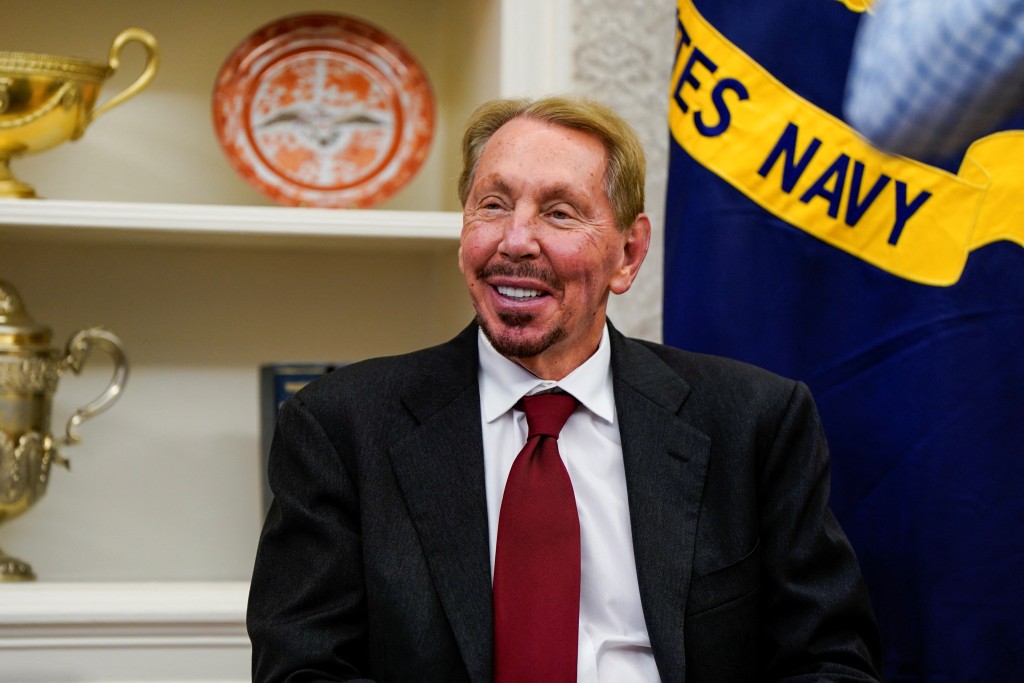
Oracle’s shares jumped as much as 43 percent on Wednesday before closing 36 percent up at US$328.33 (HK$2,560.97), giving the company a market value of about US$922 billion. The surge also boosted co-founder Larry Ellison past Tesla founder Elon Musk as the world’s richest man, with an estimated fortune of US$393 billion.
According to reports, behind the rally are ambitious forecasts for Oracle’s cloud business, which the company expects to grow from US$18 billion in the fiscal year ending in May 2026 to more than US$140 billion within five years. Its remaining performance obligations swelled to US$455 billion by the end of August, up more than threefold in just three months, with management hinting that fresh multibillion-dollar deals could soon push the figure above US$500 billion.
But most of that backlog comes from a single source – OpenAI. The startup has reportedly committed to a five-year contract worth about US$300 billion, accounting for nearly 95 percent of Oracle’s newly added obligations. The arrangement could transform Oracle into a core player in AI infrastructure, but it also exposes the company to significant risk.
Notably, OpenAI is still unprofitable and disclosed an annualized revenue of just around US$10 billion in June, far short of the US$60 billion a year it would need to pay Oracle from 2027. Oracle itself may also come under strain, as the deal likely requires massive spending on AI chips, with reports suggesting it has already curbed cash pay rises and bonuses to ease pressure.
Reports note that such long-term bets are rare in the fast-shifting artificial intelligence landscape – even Nvidia avoids offering forecasts beyond a single quarter, while Microsoft, Google, and Amazon do not break out AI revenues separately.